Pool care and repair guides from RMD Pool Service
Calcium Hardness in Pool Water: Low, High, and North Texas Fill Water
Calcium hardness in pool water is often ignored until scale crusts the tile line or soft water etches plaster. North Texas municipal fill can arrive relatively hard, while soft well water or aggressive dilution can run low. Owners in Allen, Plano, McKinney, Frisco,...
How Long After Shocking Pool Can You Swim? Safe Re-Entry Rules
How long after shocking pool can you swim? The honest answer is when free chlorine and pH are back in a safe range — not after an arbitrary clock on the internet. Product labels differ, and North Texas sun can drop residuals quickly. Homeowners in Allen, Plano,...
What Is Pool Shock? Types, Timing, and How It Differs from Daily Chlorine
What is pool shock? It is a deliberate high dose of oxidizer used to destroy chloramines and knock down contaminants after heavy use, storms, or early algae. It is not a replacement for a steady daily residual. Owners in Allen, Plano, McKinney, Frisco, Murphy, Wylie,...

How to Vacuum a Pool: Manual, Suction, and When Robots Help
Knowing how to vacuum a pool keeps fine silt and dead algae from clouding water after you balance chemicals. Manual vacuuming, suction-side cleaners, and robots each have a place for homeowners in Allen, Plano, McKinney, Frisco, Murphy, Wylie, Sachse, Parker, Lucas,...

How to Get Rid of Algae in Pool Water: Brush, Chlorinate, Filter
Learning how to get rid of algae in pool water starts with brushing, raising free chlorine enough for long enough, and running the filter hard — not a single magical pour. North Texas heat and storms in Allen, Plano, McKinney, Frisco, Murphy, Wylie, Sachse, Parker,...
Salt Water Pool vs Chlorine: What North Texas Owners Should Compare
Salt water pool vs chlorine is less about “no chlorine” and more about how chlorine is made and managed. Salt systems generate chlorine from dissolved salt; traditional pools add chlorine as liquid, tablets, or shock. Owners in Allen, Plano, McKinney, Frisco, Murphy,...
Pool Stabilizer Explained: CYA Ranges, Sun Protection, and Fixes
Pool stabilizer (cyanuric acid, or CYA) is the sunscreen for outdoor chlorine. Without enough stabilizer, DFW sun burns off free chlorine in a few hours and the pool seems to drink shock. With too much stabilizer, test strips can look strong while algae still wins....
How to Raise Alkalinity in Pool Water Without the pH Roller Coaster
Learning how to raise alkalinity in pool water stops the pH roller coaster that stings eyes, stresses surfaces, and wastes chlorine. Total alkalinity is the buffer that holds pH steady when rain, swimmers, or acid additions try to shove it around. Homeowners in Allen,...
Liquid Chlorine for Pools: Dosing, Safety, and When It Beats Tablets
Liquid chlorine for pools — sodium hypochlorite — raises free chlorine quickly without adding cyanuric acid. That matters when tablets have already elevated stabilizer, or when you need a decisive shock after a Collin County storm. Homeowners across Allen, Plano,...
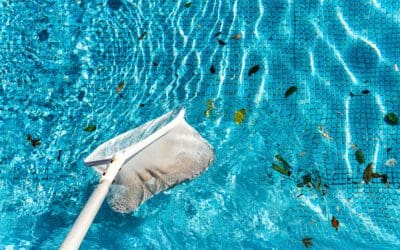
Pool Skimmer Basket Care: Emptying, Cracks, and Pump Protection
Your pool skimmer basket is a small plastic part that prevents expensive pump damage. When oak tassels, sweetgum balls, and storm trash pack it solid, suction drops and debris migrates toward the impeller. Emptying and inspecting the skimmer basket is the...
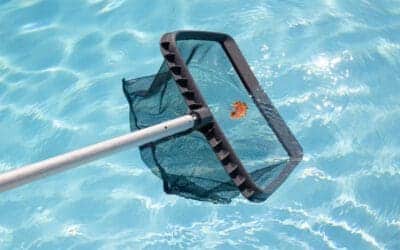
Above Ground Pool Maintenance: Weekly Habits That Protect the Liner
Above ground pool maintenance follows the same chemistry rules as inground care, with extra attention to liners, soft-sided structure, and smaller filter systems that clog faster. Owners across Allen, Plano, McKinney, Frisco, Murphy, Wylie, Sachse, Parker, Lucas,...
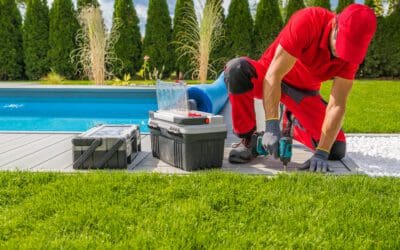
Lower pH in Pool Water Safely: Causes, Acid Use, and Retesting
Knowing how to lower pH in pool water keeps scale, cloudy water, and reduced chlorine efficiency in check. High pH is common in North Texas when alkalinity runs high, aeration is strong, or fill water pushes the reading up. This guide covers safe acid use, why pH...
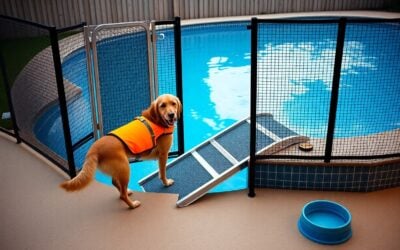
How can I keep my pool safe for pets?
Keep your pool safe for pets by maintaining free chlorine 1–3 ppm, rinsing pets after swimming, providing fresh drinking water poolside, teaching exit ramp or stair use, and skimming fur promptly to protect filtration. Pet dander and oils increase chlorine demand —...
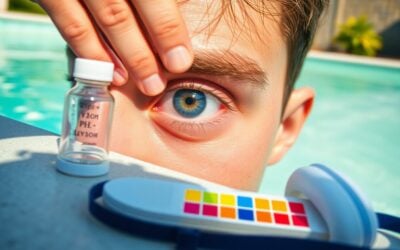
Why does my pool water irritate the eyes?
Pool water irritates eyes primarily because of chloramines, pH above 7.8, or combined chlorine above 0.2 ppm — not because chlorine is too high. Improper pH makes chlorine more aggressive on mucous membranes even at normal sanitizer levels. Balance pH to 7.2–7.6 and...
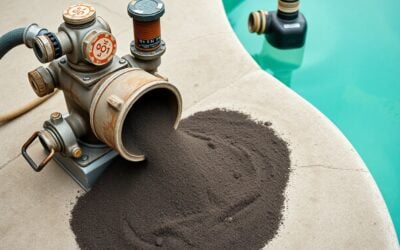
How do I know if my pool filter is too old?
Over time your pool filter will show signs of age-reduced flow, persistent clogs, longer filtration cycles, rising chemical demand, or visible media breakdown; you should monitor pressure gauge trends, inspect cartridges or sand for wear, and note repeated backwashing...
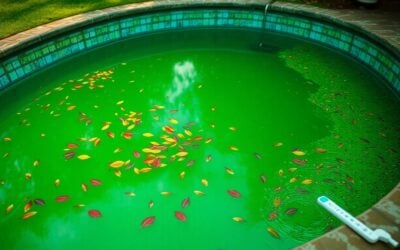
What causes my pool to turn green after heavy rainfall?
pool water often turns green after heavy rainfall because the rain dilutes your sanitizer and alters pH, while runoff and debris introduce nutrients and phosphates that fuel rapid algae growth; reduced chlorine levels, overwhelmed filters, and warmer temperatures...
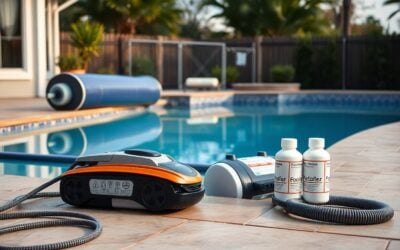
How do I prepare my pool for a vacation?
vacation planning should include preparing your pool: you should balance chemicals, shock and test the water, clean filters, remove debris, set the pump on a timer, lower water slightly if heavy rain is expected, and cover the pool to limit contamination. Arrange for...
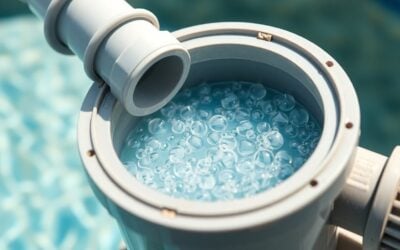
Why are there bubbles coming from my pool pump?
Just because you see bubbles in your pump basket or return lines, you should investigate immediately: bubbles usually mean air is entering the suction side due to a loose lid, damaged O-ring, cracked pipe or low pool water level. Check and tighten your pump lid,...
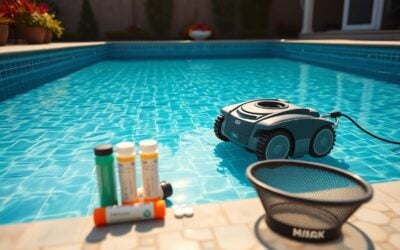
How can I keep my pool crystal clear all year long?
There’s a reliable routine you can follow to keep your pool sparkling year-round: test and balance water chemistry weekly, maintain proper filtration and circulation, skim and vacuum regularly, shock and apply algaecide when needed, and inspect equipment for wear;...
Why is my water level dropping every day?
Level drops in your water system often indicate leaks, evaporation, or equipment faults. You should inspect visible pipes, fittings, valves, and seals, monitor for evaporation during hot, windy weather, and check low areas or foundation walls for seepage; if no source...
How do I keep pests away from my pool area?
pool upkeep, proper drainage, sealed trash bins and routine water treatment reduce insects and rodents around your pool; you should trim vegetation, install screens or covers, fix leaks promptly and use targeted baits or repellents as needed to keep pests away safely...
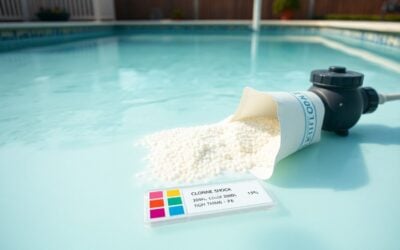
Why is my pool water cloudy after shocking?
Most often, you see cloudiness after shocking because suspended particles, dead algae, or oxidized contaminants remain in your water while chlorine demand is high; your shock may have oxidized organics but not removed them, or pH and alkalinity imbalances,...
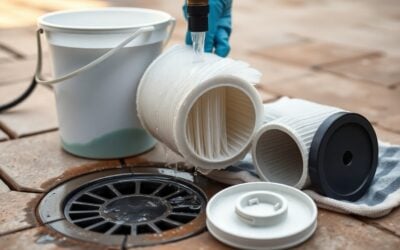
How do I clean pool cartridges properly?
pool cartridges work efficiently when you pull them from the filter, rinse away surface debris with a high-pressure hose, and soak them in a manufacturer-recommended filter cleaner to break down oils and mineral buildup; after a thorough rinse, let your cartridges dry...
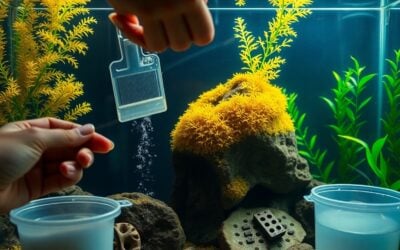
What causes mustard algae and how do I prevent it?
Mustard algae (yellow algae) thrives in shaded, slow-circulation areas of pools with poor brushing habits and inadequate sanitizer — it is chlorine-resistant and often mistaken for sand or pollen. Treat with aggressive brushing, targeted algaecide, and breakpoint...