There’s a variety of reasons your McKinney pool requires weekly cleaning to maintain a safe and enjoyable swimming environment. Regular cleaning prevents the buildup of algae, dirt, and debris, ensuring your water remains clear and inviting. Additionally, it helps manage chemical balance, safeguarding both your health and the longevity of your pool equipment. By committing to a weekly cleaning routine, you enhance the overall quality of your pool experience, allowing you to focus on relaxation and fun rather than maintenance hassles.
Key Takeaways:
- Prevents algae buildup, ensuring water clarity and safety.
- Avoids equipment damage by removing debris that can clog filters and pumps.
- Enhances overall aesthetic appeal, keeping the pool enjoyable for users.
- Maintains proper chemical balance, contributing to a healthy swimming environment.
- Reduces the need for costly repairs and extensive cleaning later on.
Importance of Regular Pool Maintenance
Consistent pool upkeep is crucial for preserving your investment and ensuring a safe swimming environment. Regular cleaning prevents debris accumulation, which can lead to expensive repairs and a less enjoyable swimming experience. Additionally, maintaining a routine helps you monitor chemical balance, ensuring optimal water quality and clarity for safer swimming.
Health and Safety Considerations
Unkempt pools can become breeding grounds for harmful bacteria and viruses, posing serious health risks to you and your family. Regular cleaning and maintenance help eliminate contaminants, making your swimming area safer and more inviting. Moreover, clear, well-maintained water reduces the risk of accidents, promoting a safer recreational space.
Preventing Algae and Bacteria Growth
Consistent cleaning routines are vital for thwarting the growth of algae and bacteria, which thrive in stagnant and dirty water. Without proper maintenance, slimy algae can quickly develop, turning your pool into an undesirable sight and health hazard.
Algae can multiply rapidly, especially in warm weather, leading to green and cloudy water. Weekly cleaning prevents this by ensuring that the water circulation and filtration systems remain clear of debris, which often provides a nutrient-rich environment for algae. Keeping pH levels balanced and regularly brushing surfaces further diminishes the likelihood of algae growth, ensuring your pool remains a clean and pleasant place to swim.
Key Components of Pool Cleaning
Effective pool cleaning involves several necessary components, including skimming, vacuuming, and water chemistry balancing. Each of these elements plays a vital role in ensuring your pool remains clean, safe, and inviting. Consider exploring McKinney Pool Cleaning – Weekly Pool Cleaning Plans for professional assistance tailored to your needs.
Skimming and Vacuuming
Regular skimming and vacuuming prevent debris accumulation and keep your pool sparkling. Skimming removes leaves and bugs from the surface, while vacuuming tackles dirt settled at the bottom. Together, they enhance water circulation and clarity, necessary for a healthy swimming environment.
Water Chemistry Balancing
Balancing your pool’s water chemistry is key to maintaining hygiene and effectiveness of sanitation systems. Proper pH levels, alkalinity, and chlorine concentration help prevent algae growth and reduce skin irritations, allowing you and your family to enjoy safe swimming.
To achieve the ideal water balance, regularly test your pool water and adjust parameters accordingly. Aim for a pH level between 7.2 and 7.8, and make sure to maintain a chlorine level between 1 and 3 parts per million (ppm). Monitoring these levels weekly is vital. Any deviations can lead to issues like cloudy water or unpleasant odors. Proper water chemistry not only ensures a pleasant swimming experience but also prolongs the life of your pool equipment.
Frequency of Cleaning
Your McKinney pool requires weekly cleaning to maintain optimal water quality and cleanliness. Regular upkeep prevents dirt, debris, and algae from accumulating, which can lead to bigger problems if left unattended. Weekly maintenance ensures that your pool is always ready for use, providing a pleasant swimming experience and preserving the longevity of your equipment.
Weekly vs. Monthly Maintenance
While monthly maintenance might seem convenient, it often leads to neglect and can result in significant buildup of contaminants. Weekly cleaning allows you to catch minor issues before they escalate, like balancing chemicals and addressing physical debris. This proactive approach keeps your pool inviting and safer for swimmers.
Factors Influencing Cleaning Schedules
- Size of the pool
- Frequency of pool use
- Seasonal weather changes
- Local environmental factors
- Presence of nearby vegetation
- Type of pool cover used
- Amount of debris falling into the pool
- Water features or fountains
- Presence of children or pets
- Maintenance of filtration systems

Common Pool Cleaning Tools
Your pool cleaning toolkit should include a variety of important tools for effective maintenance. Basic instruments like a skimmer net, pool vacuum, and brush are necessary for addressing dirt and debris. For more advanced cleaning, consider a leaf blower or pressure washer, which can save time. Regularly inspecting and maintaining these tools ensures they function optimally and prolongs their lifespan.
Manual vs. Automated Cleaners
Necessary Chemicals and Supplies
Cost Implications
Investing in weekly pool cleaning can save you significant costs in the long run. Neglecting maintenance may lead to costly repairs, higher chemical expenses, and increased energy bills due to inefficient equipment. Ignoring algae and debris buildup can require more intensive, expensive treatments. For effective Pool Chemical Management McKinney Texas, budget for consistent professional cleaning services to keep your pool in peak condition and prevent overwhelming costs later.
DIY Cleaning vs. Professional Services
You may consider DIY cleaning to cut costs, but it often lacks the thoroughness professional services provide. While you can perform basic tasks, effective water balancing and deep cleaning require expertise and specialized tools. Professionals can spot potential issues before they escalate, which saves you time and money in the future.
Long-term Savings from Regular Maintenance
Regular maintenance not only enhances your pool’s enjoyment but also offers substantial financial benefits. By maintaining proper water chemistry and keeping the pool clean, you extend the lifespan of your equipment, minimize the need for repairs, and reduce chemical expenses. Thus, investing in weekly cleaning can lead to savings and a consistently pristine swimming experience.
Maintaining cleanliness and proper water balance means you’re less likely to face unexpected expenses. For instance, regular cleaning can prevent mineral buildup that typically shortens pump life, which can be upwards of $1,000 to replace. Preventative care also lessens the risk of algae growth, which can lead to costly treatments. By prioritizing maintenance, you effectively safeguard your investment while enjoying uninterrupted pool use.
Signs Your Pool Needs Immediate Attention
Being aware of specific indicators that signal your pool requires immediate cleaning can prevent larger issues down the line. If you spot unusual changes in water quality, smell unpleasant odors, or notice algae growth, it’s vital to take action swiftly. Ignoring these signs can lead to health risks and expensive repairs, so addressing them promptly ensures that your swimming environment remains safe and enjoyable.
Water Clarity Issues
If your pool water appears cloudy or murky, it’s a clear sign that it needs immediate attention. Poor water clarity can stem from chemical imbalances, debris buildup, or inadequate filtration, making the water unsafe for swimming. You should regularly test chemical levels and consider scheduling a professional cleaning if the problem persists.
Unpleasant Odors and Surfaces
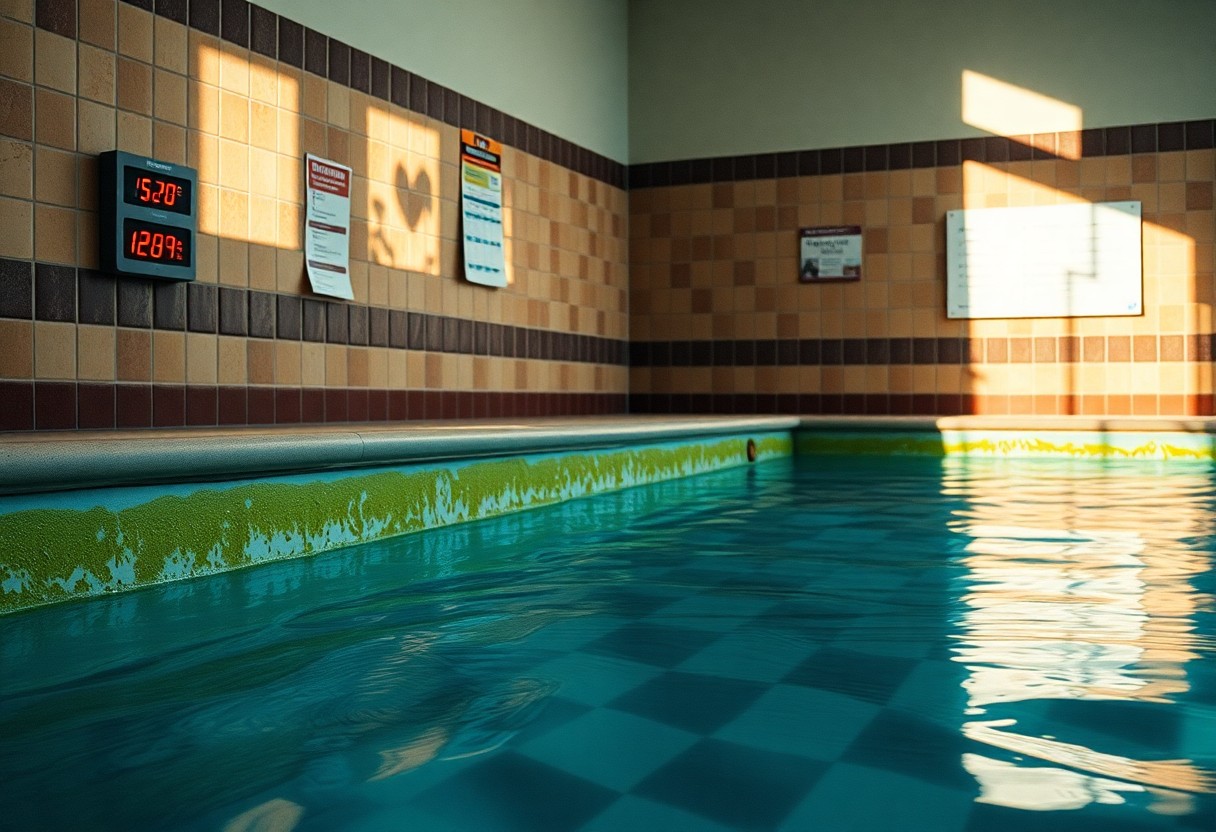
Any foul odors emanating from your pool indicate a possible buildup of harmful bacteria or algae. These unpleasant smells often correlate with poor water chemistry or debris accumulation on surfaces, which can compromise both hygiene and safety. Regular cleaning can eliminate the source of these odors and keep your pool environment appealing.
Unpleasant odors may manifest due to organic material decomposition or imbalanced chlorine levels, creating an unwelcoming atmosphere. When surfaces like tiles and steps are neglected, they can develop an unsightly slime, further contributing to odors. Immediate intervention, including deep cleaning and proper chemical adjustments, will restore freshness and ensure a healthy swimming environment. Keeping on top of these issues protects your investment and enhances your overall enjoyment of the pool.
To wrap up
Ultimately, maintaining a weekly cleaning schedule for your McKinney pool is necessary for preserving water quality, ensuring safety, and extending the lifespan of your pool equipment. Regular cleaning helps to prevent algae growth, eliminates debris, and balances chemical levels, which all contribute to a healthier swimming experience for you and your family. By committing to this routine, you can enjoy a sparkling clean pool that is inviting and ready for use at any time.
FAQ
Q: Why is weekly cleaning important for my McKinney pool?
A: Weekly cleaning prevents the buildup of debris, algae, and bacteria, ensuring a safe and pleasant swimming environment. Regular maintenance keeps water chemistry balanced, enhancing the lifespan of pool equipment.
Q: What specific tasks are included in weekly pool cleaning?
A: Weekly cleaning typically involves skimming the surface for debris, vacuuming the pool floor, brushing the walls and steps, checking and adjusting water chemistry, and cleaning the filter as needed. Each of these tasks contributes to pool hygiene and functionality.
Q: How does the weather in McKinney affect pool cleaning needs?
A: McKinney’s climate can introduce additional debris, such as leaves, pollen, and dirt, especially during specific seasons. Rain can dilute chemicals in the water, necessitating more frequent adjustments to maintain clarity and sanitation.
Q: What issues can arise from neglecting weekly pool cleaning?
A: Neglecting weekly cleaning can lead to algae growth, cloudy water, and chemical imbalance, making the pool uninviting and potentially hazardous. Over time, this neglect may cause damage to the pool surface and equipment, resulting in costly repairs.
Q: Can I clean my pool less frequently if it’s not heavily used?
A: Even if the pool is not used often, the environment can still introduce contaminants. It is advisable to maintain a weekly cleaning schedule to ensure optimal water quality and prevent any unforeseen issues, regardless of usage levels.