Many pool owners in McKinney may be unaware of the specific chemical treatments needed to keep their pools clean and safe. Proper water balance is important for your pool’s health, which involves regular testing and adjusting of pH levels, alkalinity, and chlorine concentration. Understanding these treatments not only enhances your pool’s longevity but also ensures a comfortable swimming experience for you and your family. This guide will walk you through the important chemical treatments necessary for maintaining sparkling, safe water in your McKinney pool.
Key Takeaways:
- Regular chlorination is necessary for maintaining water quality in McKinney pools.
- pH levels should be balanced between 7.2 and 7.8 to ensure effective sanitation.
- Algaecides may be necessary for preventing and treating algae growth.
- Shock treatments are recommended to eliminate contaminants and restore water clarity.
- Routine testing of water chemistry helps identify specific treatment needs.
The Importance of Chemical Treatments
Chemical treatments are necessary for maintaining a healthy pool environment, ensuring that your water remains clean, safe, and inviting. Balanced chemistry prevents swimmer discomfort and equipment damage while promoting proper sanitation. Regular testing allows you to identify potential issues before they escalate, ultimately protecting your investment and enhancing your pool experience.
Maintaining Water Quality
Maintaining water quality involves regularly testing pH, chlorine, and alkalinity levels to ensure a balanced environment. A pH level between 7.2 and 7.8 is ideal for comfortable swimming and optimal chlorine effectiveness. Additionally, adjusting alkalinity helps stabilize pH levels, ensuring your pool water remains clear and safe for users.
Preventing Algae Growth
Algae growth can quickly turn your pool into a green swamp, making prevention a top priority. Regularly shocking your pool and maintaining appropriate sanitizer levels are key strategies. Additionally, brushing the walls and steps helps disrupt algae formations, while using algaecides can provide an extra layer of protection against outbreaks.
To effectively prevent algae growth, you should focus on maintaining sanitizer levels, ideally around 1-3 ppm of chlorine. Regularly checking your filtration system to ensure it operates efficiently is critical, as stagnant water provides an ideal breeding ground for algae. Implement a weekly brushing routine and use algaecides during peak summer months to enhance your pool’s defenses against unwanted growth. Incorporating these practices ensures that your pool remains clear and enjoyable year-round.
Essential Chemical Treatments
Your pool’s water quality hinges on several important chemical treatments. These treatments not only support the cleanliness of the water but also safeguard swimmers from bacteria and algae. Key aspects include maintaining proper chlorine levels, balancing pH, and adjusting alkalinity, which together create a healthy swimming environment. Understanding these chemicals is pivotal to effective pool maintenance.
Chlorine
Chlorine plays a vital role in disinfecting your pool water by killing harmful microorganisms. By maintaining a chlorine level between 1-3 parts per million (ppm), you’re ensuring that the water remains sanitized and safe for swimming. Regular testing and shocking the pool after heavy use or rain can help keep chlorine levels stable.
pH Balancers
Keeping your pool’s pH levels balanced between 7.2 and 7.8 is important for swimmer comfort and equipment longevity. If your pH levels fall outside this range, it can lead to skin irritation or corrosion of pool surfaces. Frequent testing ensures that any necessary adjustments with pH increasers or decreasers can be made promptly.
For effective pH management, invest in a reliable testing kit that allows you to monitor your pool regularly. When pH is too low, acidic water can wear down surfaces and equipment; meanwhile, high pH levels can diminish chlorine efficacy, leading to cloudy water. Use pH increasers like sodium carbonate to elevate low levels and pH reducers, such as sodium bisulfate, to lower elevated pH. Regular adjustments will ensure your pool’s chemistry remains balanced, enhancing the overall experience for swimmers.
Regular Testing of Pool Water
Testing your pool water regularly is imperative for maintaining an optimal swimming environment. By routinely assessing the chemical balance, you can prevent issues like algae growth, cloudy water, and skin irritation. Regular testing ensures that the sanitizers and chemicals are effectively working, giving you peace of mind as you enjoy your pool.
Testing Frequency
You should test your pool water at least once a week during the swimming season, and more frequently if your pool is used often or during extreme weather conditions. This helps you stay on top of any imbalances quickly, allowing you to address them before they escalate into larger problems.
Testing Methods
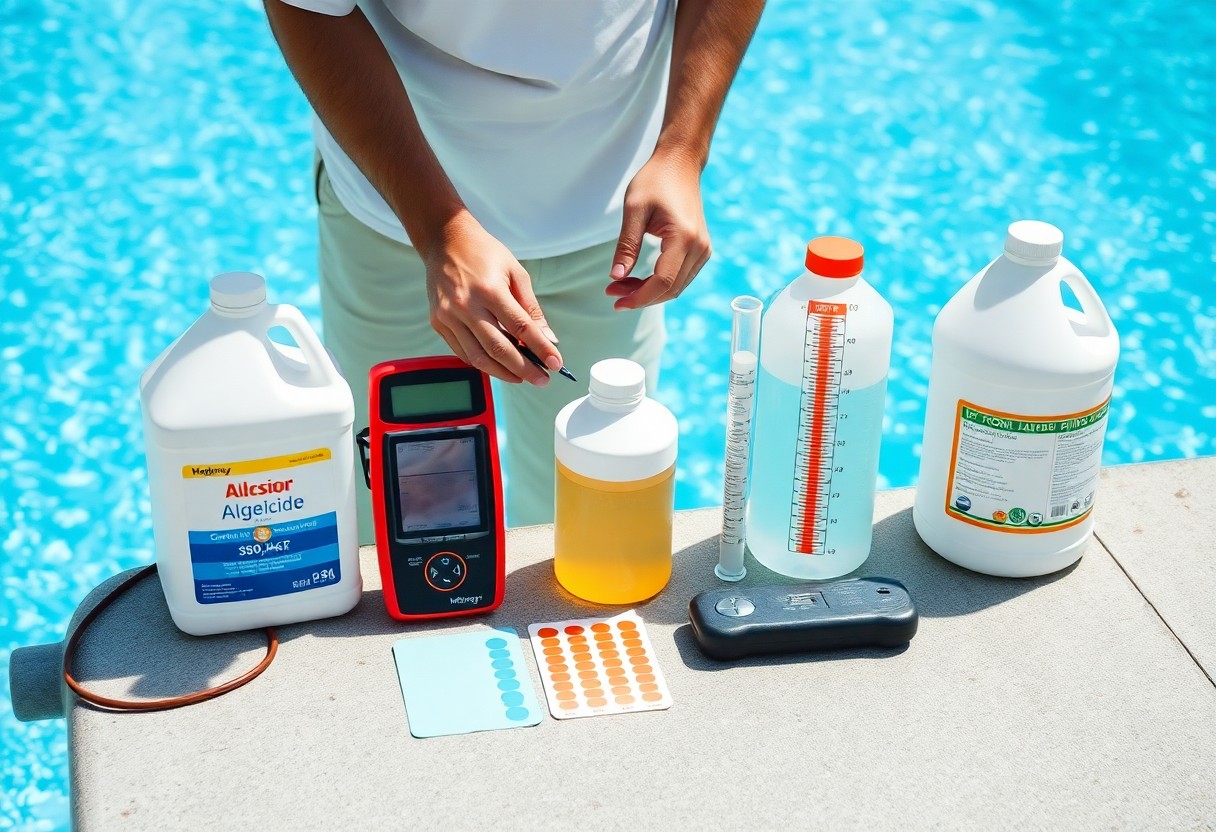
There are several ways to test pool water, including test strips, liquid test kits, and digital testers. Each method has its own advantages and can provide immediate feedback on your water’s chemical levels. Depending on your preference and expertise, you can choose the method that suits you best.
Test strips offer a quick and easy way to check basic levels such as pH and chlorine, with results available in seconds. Liquid test kits provide more accurate readings and often include a wider range of tests, but require a bit more time and effort. Digital testers provide precise measurements and are user-friendly, which can be especially beneficial if you frequently manage your pool’s chemistry. Each method allows you to customize your testing routine based on your specific needs and comfort level.
Seasonal Treatment Adjustments
As the seasons change, so do the chemical treatment needs for your McKinney pool. Adjusting your pool’s chemical balance according to the weather, temperature, and usage patterns ensures optimal performance and water quality. For a comprehensive approach, refer to Balancing Pool Chemicals in Texas: A Complete Guide.
Spring Start-Up
Spring is the perfect time to reopen your pool and start fresh. Begin by cleaning the pool and equipment thoroughly, then shock the water with a strong chlorine dose to eliminate any bacteria or algae that may have developed during the winter months. Check your pH levels and adjust them to maintain a balanced environment, targeting 7.2 to 7.6 for optimal results.
Winterization
Proper winterization is vital to protect your pool during colder months. This process involves balancing the water chemistry, lowering the water level, and adding winter chemicals, such as algaecide and antifreeze, to prevent freezing and damage within the plumbing system.
Additionally, you should remove any debris, drain the filter, and cover the pool with a durable winter cover to keep it clean and reduce maintenance efforts when you reopen in the spring. Neglecting winterization can lead to costly damages or extensive cleaning in the spring, making this step imperative for long-term pool care.
Common Pool Chemical Myths
Myths about pool chemicals can lead to confusion and improper maintenance. For instance, many believe you need to add a lot more chlorine than necessary to ensure a clean pool. In reality, proper balance is key. If you’re curious about what chemicals are needed to treat a 22ft round pool, understanding these myths is vital for effective pool care.
Misconceptions About Chlorine
Some pool owners erroneously think that chlorine has to be overpoweringly strong to sanitize effectively. In fact, even low levels of chlorine can effectively kill bacteria when maintained consistently. The focus should be on maintaining appropriate chlorine levels rather than excessive amounts, which can lead to skin irritation and environmental harm.
Misunderstandings About pH Levels
pH levels are often misunderstood, with many believing that a high pH level is acceptable as long as chlorine is present. This isn’t true; a pH level that’s too high can impair chlorine’s effectiveness, leading to insufficient sanitation. You should aim for a balanced pH between 7.2 and 7.8 to ensure both chlorine and your pool’s overall health function optimally.
Maintaining the right pH levels is vital for your pool’s safety and clarity. If pH levels stray too far from the ideal range, it can cause your chlorine to be less effective at killing harmful pathogens. Additionally, improper pH can lead to unsightly algae growth and can corrode pool equipment. Regular testing and adjusting of pH can save you time, money, and headaches in the long run.
Professional Pool Maintenance Services
Hiring professional pool maintenance services ensures that your pool remains in optimal condition without the hassle of handling chemicals and treatments yourself. These experts have the knowledge and experience to manage everything from balancing pH levels to preventing algae growth, allowing you to enjoy your pool worry-free. Their regular inspections and maintenance routines can extend the life of your pool’s equipment and reduce long-term costs associated with repairs.
Benefits of Hiring Experts
Utilizing expert services provides access to specialized tools and techniques that enhance pool maintenance. Professionals often use high-quality products and possess the expertise to diagnose and rectify issues quickly. Additionally, their routine schedules prevent minor problems from escalating into costly repairs, ultimately saving you time and money.
Choosing the Right Service
Selecting the right pool maintenance service requires careful consideration of factors such as reputation, experience, and the range of services offered. Look for companies that provide transparent pricing and can tailor their services to meet your specific needs. Checking online reviews and seeking recommendations can also help you make an informed choice.
A thorough selection process involves assessing potential services based on their certifications and insurance coverage, which protects you from liability in case of accidents. Ask about their maintenance frequency options and whether they offer emergency services. Verifying their experience with pools similar to yours can provide confidence in their ability to deliver top-notch care and ensure that your pool remains pristine throughout the seasons.
FAQ
Q: What types of chemicals are commonly used in McKinney pools?
A: McKinney pools typically require chlorine, bromine, algaecides, pH balancers, and stabilizers to maintain water quality and clarity.
Q: How often should I add chlorine to my pool?
A: Chlorine levels should be tested regularly, ideally every 1-2 weeks, and added as necessary to maintain a level between 1-3 ppm (parts per million).
Q: What is the purpose of using algaecides in pool maintenance?
A: Algaecides help prevent and eliminate algae growth in the pool, ensuring water stays clear and safe for swimming.
Q: How can I adjust the pH level of my pool water?
A: To adjust pH, use pH increaser (sodium carbonate) to raise levels or pH decreaser (sodium bisulfate) to lower them, aiming for a target range of 7.2 to 7.8.
Q: Why is a stabilizer important for pool chemical treatments?
A: A stabilizer (cyanuric acid) protects chlorine from being broken down by sunlight, helping to maintain its effectiveness and reducing the frequency of chlorine addition.