Most weekly pool cleaning protects water quality, reduces chemical usage, and prevents algae and equipment damage, giving you clearer, safer swimming and lower long-term maintenance costs; consistent skimming, brushing, and filtration checks keep your water balanced, extend the life of pumps and liners, and save you time and unexpected repair expenses while enhancing your enjoyment and property value.
Key Takeaways:
- Maintains balanced water chemistry to prevent algae growth and bacterial contamination.
- Keeps water clear and safe for swimming, reducing eye and skin irritation and improving visibility.
- Extends lifespan of pool equipment and surfaces by preventing scale, corrosion, and staining.
- Improves filtration and pump efficiency, lowering energy use and system strain.
- Saves money over time by catching issues early and avoiding costly repairs or full restorations.

The Importance of Regular Pool Maintenance
Health and Safety Benefits
Weekly cleaning helps you keep free chlorine in the recommended 1-3 ppm and pH between 7.2-7.8, which limits pathogen survival and reduces infection risk. Removing leaves and debris prevents breeding grounds for bacteria and insects, while routine vacuuming and brush-downs stop slippery surfaces and visibility loss that lead to accidents. Test your water at least once a week and after heavy bather loads (10+ swimmers) to catch imbalances early.
Enhancing Aesthetic Appeal
Consistent weekly skimming, brushing, and vacuuming keeps water crystal clear and prevents algae stains that can bloom within 24-48 hours in warm, nutrient-rich conditions. You’ll preserve tile grout, pool finishes, and overall curb appeal, so your pool looks inviting year-round. Emptying skimmer baskets and backwashing filters weekly delivers an immediate visual improvement.
When you delay cleaning, scale and metal staining can set and often require professional treatments-sequestering agents or acid washing-which can cost several hundred dollars. By contrast, weekly upkeep typically takes 30-60 minutes and prevents costly restorations; monitor clarity by checking bottom visibility and increase cleaning or filtration if you can’t clearly see the pool floor.

Cost Efficiency of Weekly Pool Cleaning
Preventing Expensive Repairs
You catch small leaks, hairline cracks, pump cavitation and scale before they escalate into major work. Weekly inspections reveal filter clogs, failing seals, or heater buildup that-if ignored-lead to pump replacements ($400-$1,200), filter changes ($300-$1,000) or replastering ($4,000-$10,000). Addressing worn parts and minor damage promptly helps you avoid five-figure repairs and reduces emergency service calls.
Reducing Chemical Usage
Keeping chlorine at 1-3 ppm and pH between 7.2-7.6 with weekly adjustments prevents shock-level corrections and heavy algaecide use. For a 20,000‑gallon pool, an emergency algae shock can require 3-5 pounds of chlorine (roughly $40-$100) versus routine weekly dosing that may cost $10-$25. You lower both chemical bills and the risk of extended pool downtime.
Test frequently with a reliable kit or digital reader and act on results: maintain cyanuric acid around 30-50 ppm, run circulation 8-12 hours daily, and clean skimmer and pump baskets weekly. Those habits commonly reduce seasonal chemical consumption by 20-40%, can extend salt cell and heater life by 2-3 years, and often translate to $100-$400 saved per season.
Time-Saving Aspects of Routine Cleaning
Streamlining Pool Management
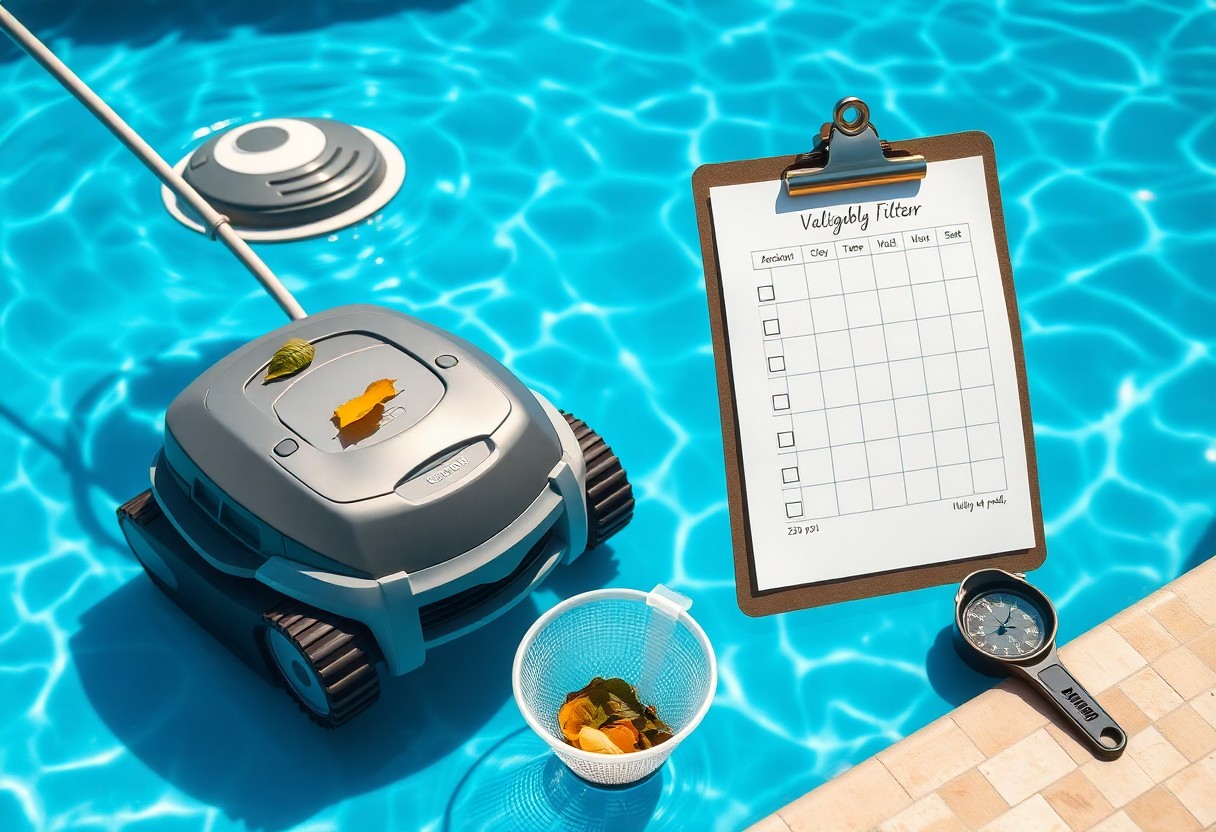
Weekly checklists you follow in 30-60 minutes – skimming, brushing, emptying skimmer baskets, running an automated vacuum and testing chemistry – prevent the pile-up that leads to 3-4 hour emergency deep cleans. By batching tasks on the same day each week and using timers or a salt/chlorine feeder, you turn maintenance into a predictable 45-minute habit instead of unpredictable all-day work that interrupts weekends.
Efficient Use of Pool Resources
When you test and adjust chemicals weekly to keep pH at 7.4-7.6 and free chlorine at 1-3 ppm, you avoid large “shock” additions and costly algae treatments. Maintaining cyanuric acid around 30-50 ppm and stabilizing sanitizer levels reduces overall chemical consumption and keeps water balanced with fewer emergency product purchases.
Consistent cleaning also protects mechanical systems: weekly brushing and filter inspection prevent rapid pressure rises and extend run intervals between backwashes. If you act when filter pressure climbs 8-10 psi above baseline, you cut unnecessary backwashing and lower both water loss and pump runtime (commonly optimized to 8-12 hours/day), delivering measurable energy and utility savings.
Improving Water Quality
Algae Prevention Techniques
You should keep circulation and physical cleaning consistent: brush walls and steps weekly, vacuum dead zones, and run the pump 8-12 hours daily in summer. Maintain free chlorine at 1-3 ppm and shock to 10 ppm for 24 hours if you see any green or mustard algae after heavy rain or parties. Use a polymeric algaecide as a preventive at label doses and remove debris from skimmers to stop spores from taking hold.
Balancing Chemical Levels
Test your water 2-3 times weekly with strips or a digital tester and target pH 7.2-7.6, free chlorine 1-3 ppm, alkalinity 80-120 ppm, calcium hardness 200-400 ppm, and cyanuric acid 30-50 ppm. Small deviations change sanitizer effectiveness and can cause scaling or corrosion, so adjust promptly after storms, heavy bather load, or when you add large volumes of fresh water.
To adjust levels, add sodium bicarbonate to raise alkalinity (about 1.4 lb per 10,000 gallons raises TA ~10 ppm) and muriatic acid or sodium bisulfate to lower pH; use calcium chloride to raise hardness. Make changes incrementally-treating a pool in thirds and retesting-so you avoid overshooting targets. Logging your results helps: many pool techs find that weekly records let you anticipate seasonal swings and cut shock treatments by up to half.
Equipment Longevity
Keeping Pumps and Filters in Optimal Condition
Weekly removal of leaves and hair from skimmer and pump baskets preserves flow and reduces strain on motors. Aim to backwash sand/DE filters when pressure rises about 8-10 psi above the clean baseline and clean cartridge elements every 3-6 months. You can calculate pump runtime to achieve one full turnover per day (for example, a 20,000‑gallon pool on a 50 GPM pump needs roughly 400 minutes, or 6.7 hours), which keeps strain and energy use steady while extending component life.
Protective Measures against Wear and Tear
Keeping water chemistry within target ranges-pH 7.2-7.6, total alkalinity 80-120 ppm, calcium hardness 200-400 ppm-limits corrosion and scale that shorten heater and metal part life. You should inspect seals, O‑rings, and unions weekly and replace worn items promptly to prevent leaks that can damage motors and heat exchangers.
For longer-term protection, schedule specific service tasks: replace sand or DE media every 5-7 years to maintain filtration efficiency; inspect and descale heater heat exchangers annually; and lubricate O‑rings with silicone whenever you service equipment. In freezing climates, blow out lines and drain pumps before temperatures drop below 32°F; in high-UV areas, keep cyanuric acid around 30-50 ppm to stabilize chlorine and reduce chemical fluctuation. These measures cut unplanned failures-maintaining proper filter pressure and fresh media, for instance, avoids the gradual amp draw increases that accelerate pump motor wear and premature replacements.
Environmental Benefits
Efficient Water Usage
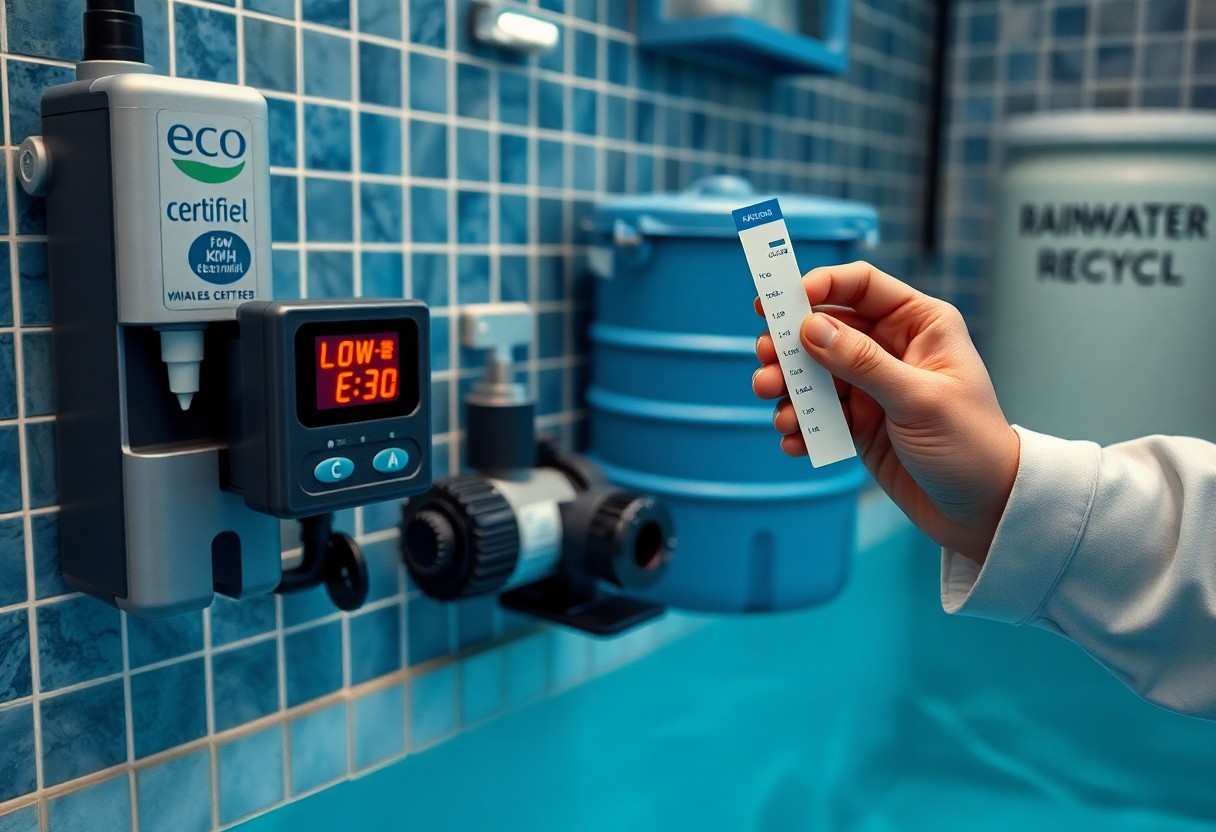
Weekly cleaning keeps filters and skimmers efficient so you avoid frequent backwashing and partial drains; a typical backwash uses 250-400 gallons and an average residential pool holds 15,000-20,000 gallons. By fixing small leaks and maintaining balanced water, you can significantly reduce refill events-often cutting annual water loss in half-and avoid full drains that waste thousands of gallons.
Reducing Chemical Runoff
Consistent maintenance prevents large shock treatments that introduce excess chlorine and algaecide into the system; shocking often requires 1-3 pounds of granular chlorine per 10,000 gallons, and emergency dosing raises the chance of chemicals reaching storm drains. When you test and dose weekly, you apply only what’s needed and reduce spikes that lead to runoff during heavy rains.
More detailed steps you can take include monitoring cyanuric acid and pH weekly to avoid over-chlorination, using enzyme products to lower organic load (thereby reducing chlorine demand), and checking local discharge rules-many municipalities require dechlorination before draining. Switching to a salt-chlorine generator or targeted enzyme treatments can cut routine chemical additions and help protect nearby streams and aquatic life while keeping your pool compliant with regulations.
Summing up
On the whole you secure clearer, safer water and balanced chemistry, prevent algae and stains, extend pump and filter life, lower repair costs, and reduce time-consuming deep cleans; weekly maintenance protects your investment and keeps your pool consistently ready for swimming.
FAQ
Q: What are the health benefits of weekly pool cleaning?
A: Weekly cleaning reduces bacteria, viruses and algae growth by maintaining proper sanitizer levels and removing organic debris. Consistent chemical balancing-pH, chlorine and alkalinity-lowers the risk of skin and eye irritation and minimizes exposure to waterborne illnesses.
Q: How does weekly pool cleaning protect pool surfaces and equipment?
A: Regular brushing, vacuuming and chemical control prevent scale buildup, staining and abrasive algae that damage liners, tiles and plaster. Keeping filters and pumps clean avoids strain and clogging, extending the life of equipment and reducing corrosion and mechanical failures.
Q: In what ways does weekly cleaning improve water clarity and usability?
A: Removing leaves, pollen and debris before they break down stops cloudiness and organic staining. Proper filtration, skimming and chemical dosing maintain clear, inviting water, improve light penetration and make the pool safer and more pleasant to swim in.
Q: How does a weekly maintenance schedule save money over time?
A: Preventive care reduces the need for costly repairs, major chemical shock treatments and premature equipment replacement. Efficient filtration and balanced chemistry lower energy and chemical consumption, and early detection of issues avoids emergency service calls.
Q: What tasks should be included in an effective weekly pool cleaning routine?
A: A solid weekly routine includes skimming surface debris, brushing walls and steps, vacuuming the floor, emptying skimmer and pump baskets, checking and adjusting pH, chlorine, alkalinity and stabilizer, inspecting and cleaning filters as needed, and testing water to guide any corrective actions such as shock treatments after heavy use or storms.