Replacement of your pool pump can significantly impact the efficiency and cleanliness of your swimming pool. You may need to consider a replacement if your pump is making unusual noises, running less efficiently, or has visible signs of wear and tear. Additionally, if your pool water is not circulating properly or your energy bills are unexpectedly high, it could indicate that it’s time for a new pump. Understanding these signs can help you maintain your pool effectively and ensure a safe swimming environment for your family.
Key Takeaways:
- Unusual noises or vibrations indicate potential pump failure.
- Decreased water circulation suggests the pump may not be functioning properly.
- Increased energy bills can signal inefficiency in an aging pump.
- Frequent leaks or signs of rust may point to the need for replacement.
- Age of the pump beyond 10 years often warrants evaluation for replacement.
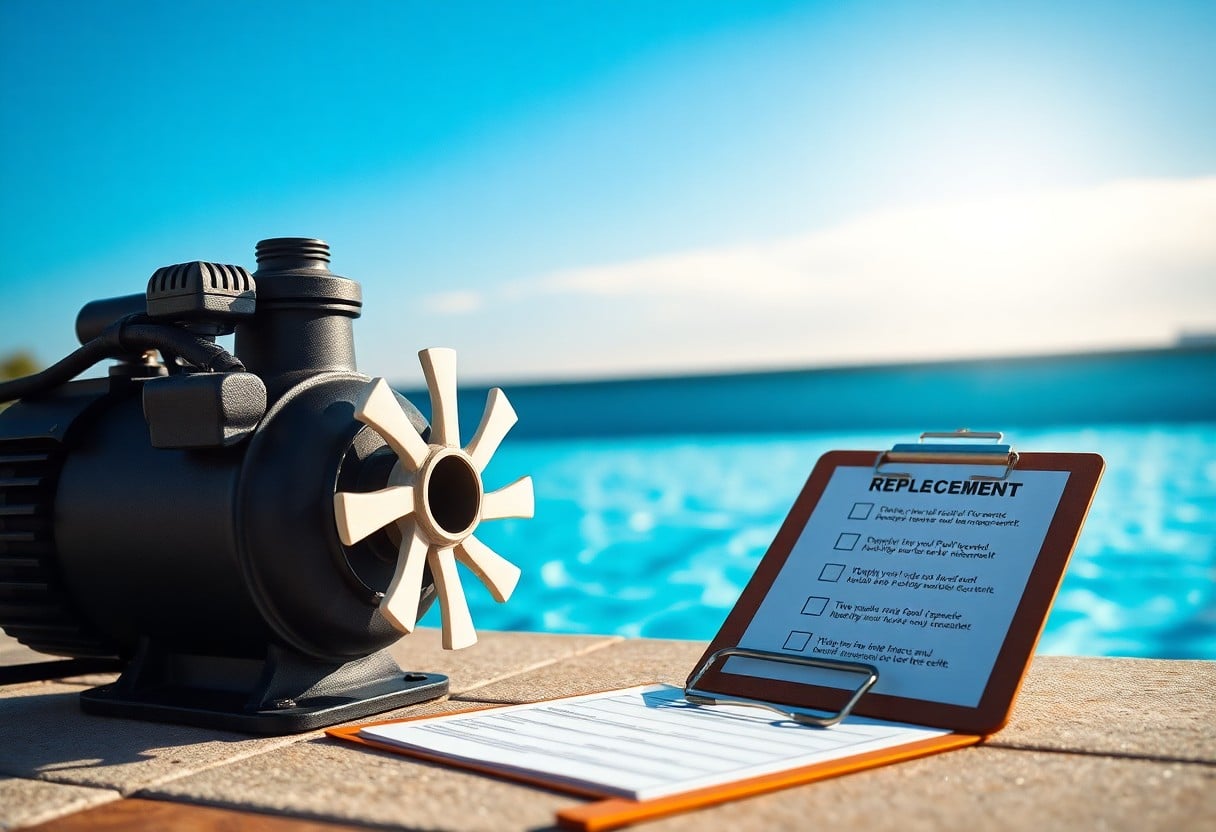
Signs That Indicate a Pool Pump Replacement
Your pool pump is vital for maintaining clean and clear water. If it starts showing signs of failure, a replacement might be necessary. Pay attention to the following indicators that suggest it’s time for a new pump to ensure your pool remains in optimal condition.
Unusual Noises
If you hear grinding, rattling, or high-pitched whining sounds coming from your pool pump, it may signal internal wear or damage. These noises are often a sign that bearings or other components are failing, which can lead to complete breakdown if not addressed.
Reduced Water Circulation
When you notice sluggish water movement in your pool, this could indicate a problem with your pump. A properly functioning pump should circulate water efficiently, ensuring that all areas of the pool receive adequate filtration. Reduced circulation can lead to algae growth and poor water quality.
Monitor the flow rate and check your pool’s return jets. If the water is barely trickling out, your pump may be struggling to push water through the system. This could be due to clogged pipes, but if you’ve already cleaned or replaced the filters without improvement, a failing pump could be the culprit, warranting a replacement.
Increased Energy Bills
Age of the Pool Pump
Your pool pump typically has a lifespan of around 8 to 10 years, depending on usage and maintenance. If your pump is approaching or surpassing this age range, it’s wise to evaluate its performance closely. Frequent repairs, decreased efficiency, and rising energy costs are signs that its age may be catching up with you. Planning for a replacement before it completely fails can save you from unexpected downtime during peak pool season. For professional guidance and service in your area, check out Mckinney, TX Expert Swimming Pool Repair, Maintenance ….
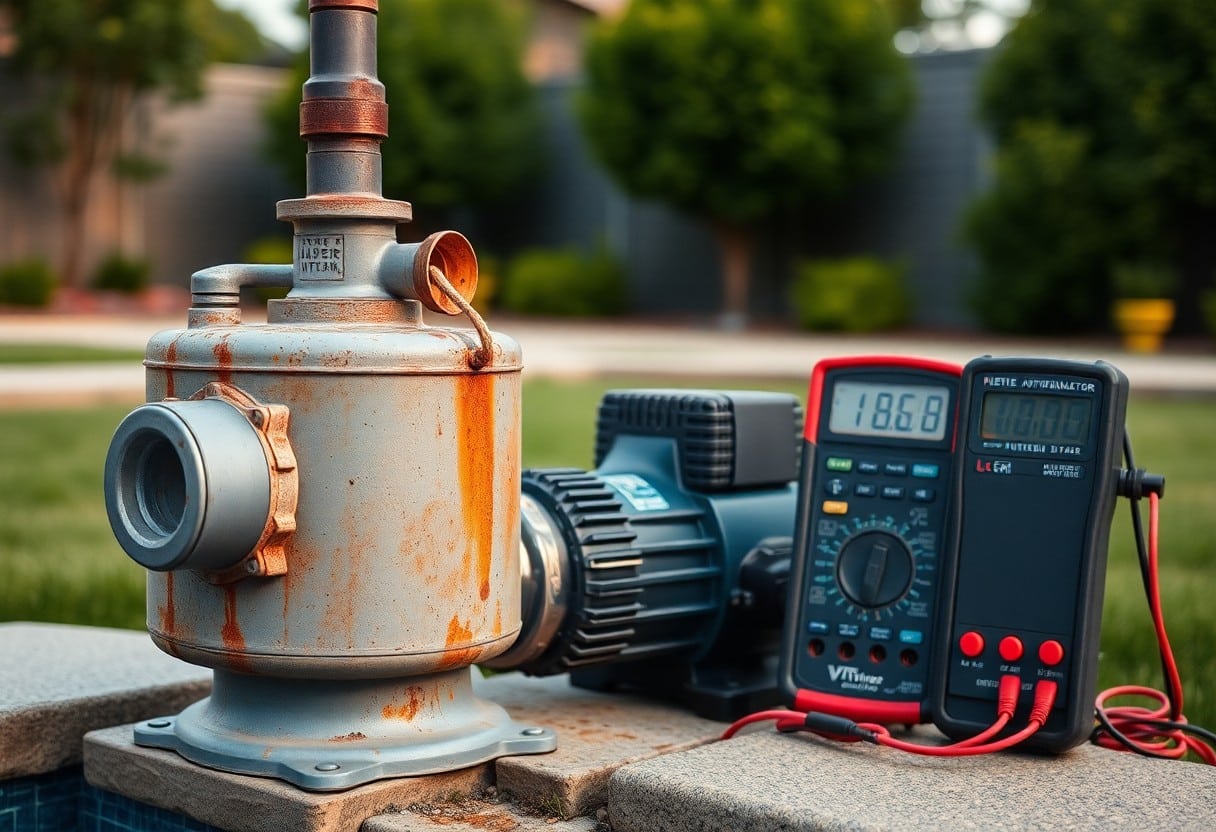
Maintenance History
Your pool pump’s maintenance history plays a significant role in determining its longevity and reliability. Regularly recorded maintenance checks can help you track its performance and identify potential issues before they escalate, ensuring that your investment lasts as long as possible. A well-maintained pump not only runs efficiently but also enhances your pool’s overall water quality.
Regular Maintenance Checks
Repairs and Parts Replacement
Staying on top of repairs and parts replacements can significantly impact your pump’s efficiency. If you notice consistent inefficiencies or hear unusual sounds, it may be time to replace worn-out components, such as seals, bearings, or the impeller. Addressing these issues promptly can save you from facing a full pump replacement sooner than necessary.
Over time, components of your pool pump may wear out due to regular use. For instance, if your pump is making loud grinding noises, the bearings could be failing and might need replacement. Additionally, common parts like seals can wear down, leading to leaks that affect performance. Keeping a record of past repairs can also guide your decisions, indicating whether a simple fix is worth pursuing or if replacement is the more prudent option. Investing in quality parts and professional service can further enhance your pump’s operation and longevity.
Comparing Repair Costs vs. Replacement Costs
When weighing your options, it’s important to consider the costs associated with repair versus replacement. While a repair might initially seem more economical, it can quickly add up if frequent issues arise. On the other hand, a new pump may have a higher upfront cost but will likely be more reliable in the long run. Here’s a basic breakdown of typical costs to help you make an informed decision.
Cost Comparison
| Repair Costs | Replacement Costs |
|---|---|
| $100 to $500 per repair | $800 to $2,000 for new pump installation |
| Frequency of repairs every 1-2 years | Expected lifespan of 8-10 years |
If you’re considering options for Pool Pump Repair in McKinney, TX, evaluate your pump’s maintenance history alongside costs for a clearer picture. It’s often wiser to invest in a new pump rather than repeatedly patching an old one.
Choosing the Right Replacement Pool Pump
Selecting a suitable replacement pool pump involves considering several factors, including energy efficiency, size, and compatibility with your existing setup. An ideal pump not only fits your pool’s requirements but also enhances efficiency and performance. Ensuring that you choose a high-quality, reliable model will save you money on utility bills while keeping your pool in optimal condition.
Energy Efficiency Considerations
Opt for energy-efficient pumps, such as variable-speed models, which can significantly lower your electricity costs. These pumps allow you to adjust the speed based on your pool’s needs, resulting in savings of up to 70% compared to traditional single-speed pumps. Look for the ENERGY STAR label to identify the most efficient options available.
Size and Compatibility
The pump you choose must be the correct size for your pool. A pump that is too small will struggle to circulate water effectively, while an oversized pump may waste energy and increase your operational costs. Check your pool’s volume and ensure that the pump’s flow rate matches your pool’s requirements for optimal performance.
Your current plumbing size and configuration will dictate which replacement pump is compatible. Measure the existing pipe diameter and flow rates to find a matching pump. Additionally, consider the orientation and installation requirements; for example, a pump should ideally be located as close to the pool as possible to minimize suction loss. Consulting a professional can help ensure that you select a pump that fits seamlessly within your existing system, ultimately providing reliable, long-lasting performance.
Professional Assessment and Services in McKinney
Consulting Pool Experts
When in doubt about your pool pump’s condition, seeking a professional assessment is vital. Local McKinney pool technicians typically offer diagnostic services that include testing for pressure drops and checking for leaks. Their expertise ensures that you receive accurate information regarding repairs or replacements. Many providers also offer maintenance packages that can extend the life of your equipment. For example, a regular service check can identify minor issues before they become costly repairs. Investing in professional services not only protects your pump but also enhances the overall performance of your pool system.
Final Words
Drawing together the indicators of a failing pool pump, if you notice consistent inefficiency in water circulation, frequent mechanical issues, increased energy bills, or unusual noises, it’s time to assess the pump’s condition. Evaluate its age, as most pumps last around 8-10 years. If repairs are becoming costly or unreliable, consider replacing it to ensure optimal pool performance and efficiency in McKinney. Your pool deserves a dependable pump to keep it clean and enjoyable.
FAQ
Q: How can I tell if my pool pump is making unusual noises?
A: If your pool pump is emitting loud or strange sounds such as grinding, rattling, or humming, it may indicate an internal failure or damage. Unusual noises can be a sign that components like bearings or impellers are worn out and might need replacement.
Q: What signs indicate that my pool pump is not circulating water effectively?
A: Poor circulation can be observed through reduced water flow or insufficient cleaning. If you notice cloudy water, an increase in debris, or a decrease in water return, your pump might not be functioning properly and may need replacement.
Q: How do I know if my pool pump is leaking?
A: Check for water pooling around the pump or wet spots on the ground. Observing moisture around the fittings or housing can indicate a leak. If leaks are persistent and repairs fail, a replacement may be necessary.
Q: What is the age of my pool pump, and does it affect its performance?
A: Pool pumps typically last 5 to 10 years. If your pump is nearing or exceeding this age and exhibits performance issues, it may be time to consider replacing it, even if minor repairs have been made.
Q: Why is my pool pump consuming more energy than usual?
A: Increased energy usage can signal inefficiencies in the pump’s operation. Factors such as wear and tear, clogged filters, or old motor technology can contribute to higher energy bills. If these issues persist despite cleaning and maintenance, consider a replacement.