Over time, your pool may show signs that it requires attention and repairs to maintain its functionality and safety. It’s necessary to recognize these indicators to ensure your swimming experience remains enjoyable. From unusual water levels and persistent leaks to discoloration and equipment malfunctions, being aware of these signs can save you from larger problems down the line. This guide will help you identify the key warning signs that indicate your pool needs repairs in Frisco, allowing you to take prompt action for proper maintenance.
Key Takeaways:
- Visible cracks or chips in the pool surface indicate structural issues.
- Water level decreases rapidly, suggesting leaks that need immediate attention.
- Discoloration or algae growth in the pool may signal underlying problems.
- Malfunctioning pool equipment or frequent breakdowns signal a need for repairs.
- Inconsistent water clarity despite proper chemical balance may indicate plumbing issues.
Common Signs of Pool Damage
Identifying signs of pool damage early can save you time and money. Watch for physical changes in your pool’s structure and functionality. While some signs are easily visible, others may require closer inspection. Be proactive in noticing these issues to avoid costly repairs down the road.
Cracks and Surface Damage
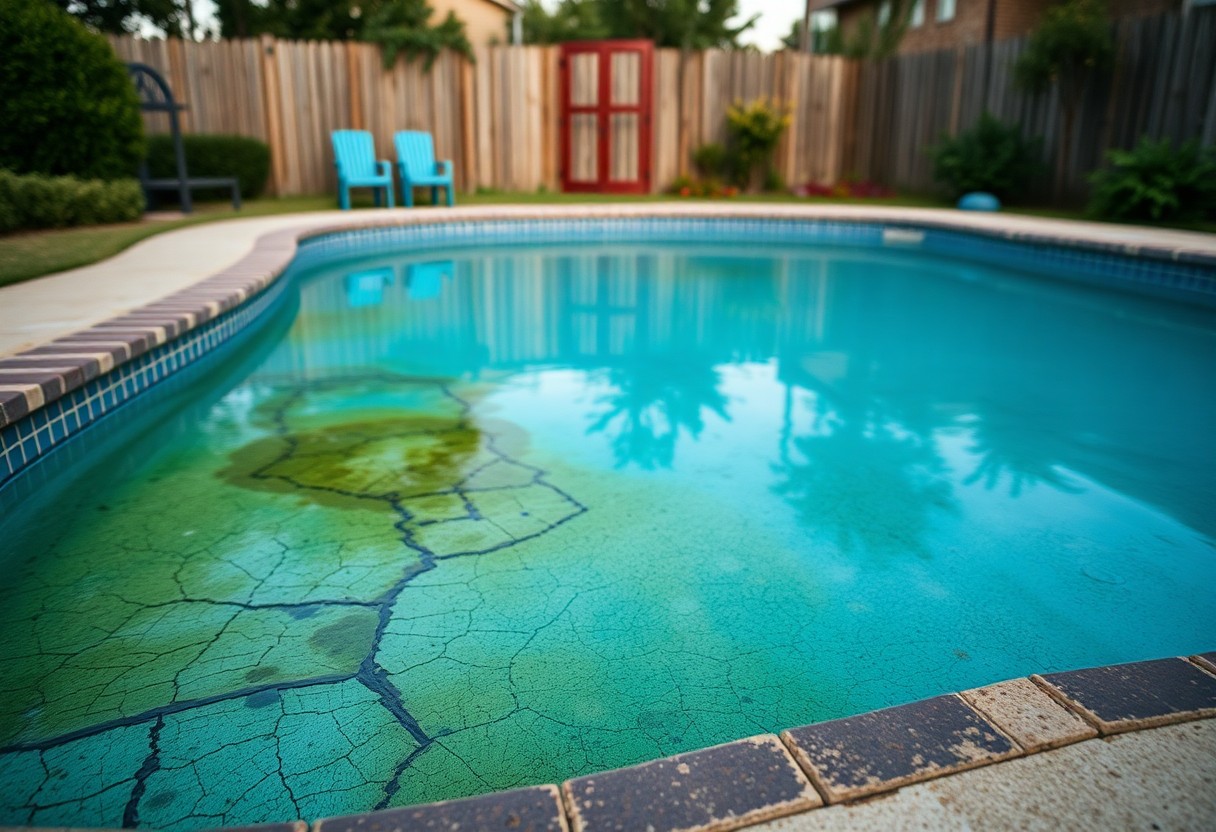
Cracks and surface damage can appear on your pool’s walls and floor, often indicating structural problems. You may notice unsightly fissures, which can lead to water loss and further deterioration. If you spot any cracks wider than a quarter-inch or tile repairs needed, address them promptly to maintain your pool’s integrity.
Leaks and Water Loss
Water loss can signal a significant leak in your pool. If you consistently refill your pool more than usual, it’s time to investigate. Leaks can stem from various sources, including plumbing issues or surface damage. Regular monitoring of your water level and surrounding area can help you catch these issues early.
Monitor the condition of your pool’s water level; a drop of more than one inch per week can indicate an underlying problem. Check areas like skimmer boxes, return lines, and fittings for signs of moisture or seepage. Performing a bucket test can help you determine whether you’re losing water to evaporation or a leak. If you identify a leak, using a professional for diagnostics is often the best route to ensure a proper fix.
Equipment Malfunctions
Equipment malfunctions are significant indicators that your pool requires repairs. Issues with components such as pumps, filters, or heaters can disrupt your pool’s functionality and lead to more extensive damage if neglected. If you observe irregular noises or decreased water circulation, it’s time to investigate. For insights on assessing your pool’s repair needs, check out Frisco How Do I Know If My Inground Pool Needs Repair ….
Pump and Filter Issues
If your pool pump is making unusual noises or is unable to maintain water flow, you may have a failing pump or a clogged filter. Low water circulation leads to poor water quality, making the pool unsafe for swimming. Inspecting and cleaning or replacing your filters regularly can prevent these malfunctions.
Heater Problems
A malfunctioning heater can significantly impact your swimming experience. If the water isn’t heating up as it should or the heater is cycling on and off unexpectedly, you likely have an issue that requires attention. Regular maintenance is imperative to ensure optimal performance, especially before the swim season.
Heater issues can stem from a range of problems, such as a faulty thermostat, gas supply interruptions, or a buildup of debris in the system. Establishing a routine check before summer can help you catch minor problems early, ensuring your pool heats efficiently when you need it most. Additionally, if your heater is older than ten years, consider evaluating its performance closely, as older models may be more prone to breakdowns. Regular professional inspections can help prolong the life of your heater.
Unusual Pool Water Conditions
Observing unusual conditions in your pool water is a clear signal that repairs may be necessary. If you notice strange smells or substances floating on the surface, it’s time to take action. For professional insight, check out Pool Repair Frisco: Drowning in Pool Problems? Get Back … for guidance on addressing these issues effectively.
Changes in Color and Clarity
When your pool water exhibits unexpected changes in color and clarity, it’s not just an aesthetic concern-it points to underlying problems. Water that appears cloudy or has an unusual hue may indicate chemical imbalance or contamination. Testing your water should be your first step in diagnosing the issue.
Algae Growth and Contaminants
Visible algae growth is an unmistakable sign that your pool’s sanitation system may be failing. If you notice green or brown patches along the walls or floor, this indicates a lack of proper maintenance or chemical levels. Depending on the severity, you might need to enhance your filtration or consider shock treatments.
Addressing algae and contaminants promptly will not only restore your pool’s beauty but also ensure its safety for swimmers. Certain types of algae can multiply rapidly, leading to slippery surfaces, and acting quickly can mitigate these risks. Regular monitoring and upkeep of chemical levels play a vital role in preventing these issues. If you need assistance, professionals can provide the necessary expertise and cleaning protocols to keep your pool pristine.
Structural Concerns
Over time, your pool may experience structural concerns that can lead to serious issues if not addressed promptly. Signs like cracks, leaks, or shifting surfaces can indicate underlying problems. Regular inspections help you identify these concerns early, ensuring your pool remains safe and functional. Pay attention to changes in water level or the appearance of mold, which can be telltale signs of structural damage.
Deck and Coping Integrity
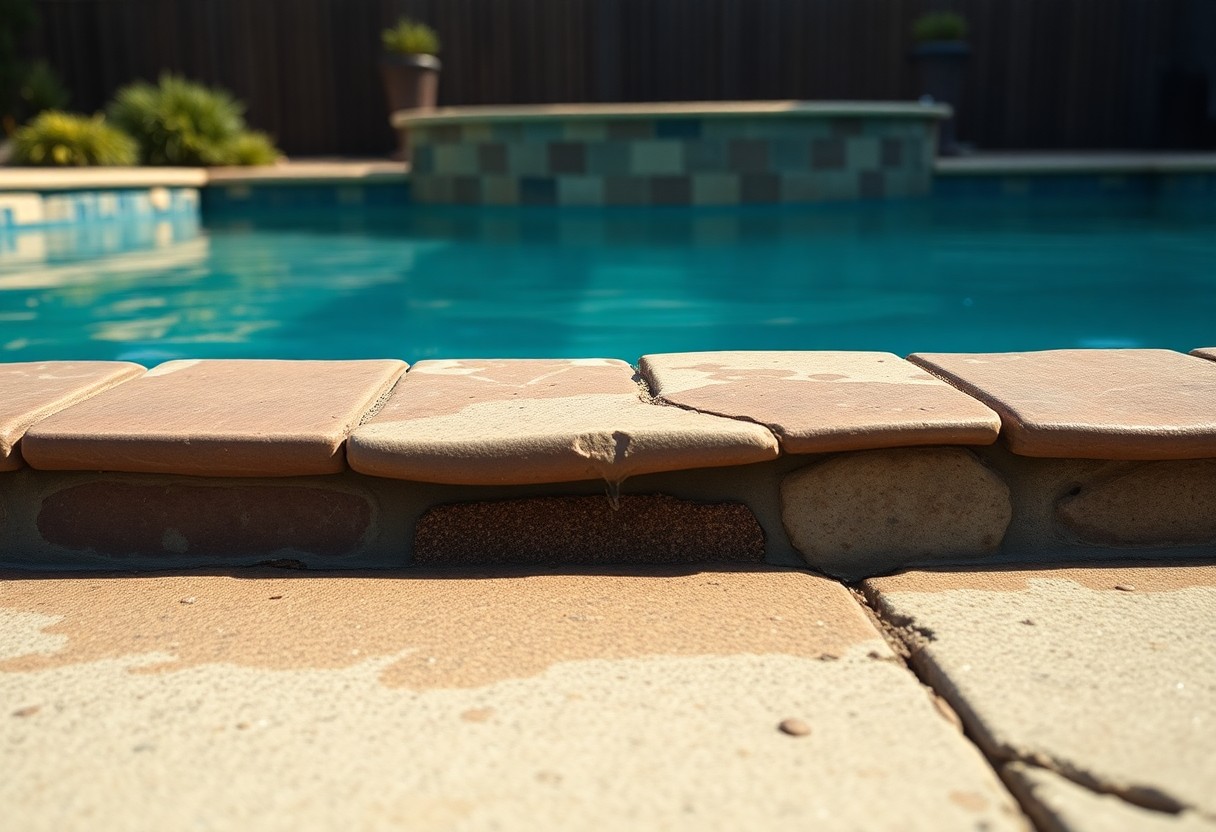
The condition of your pool deck and coping is equally important. Look for cracks, crumbling concrete, or loose tiles; these weaknesses can not only detract from your pool’s appearance but also pose safety hazards. A compromised deck might shift or create tripping hazards, so addressing these issues promptly is crucial for maintaining a safe pool environment.
Wall Stability
Your pool’s walls must maintain stability to prevent leaks and structural failure. Signs of instability include bowing, cracking, or shifting soil around the pool’s perimeter. If you notice any of these changes, it is advisable to consult a professional to assess the integrity of your pool walls.
Wall stability is vital for the longevity of your pool. If the walls begin to bow or show signs of cracking, it can indicate improper installation or shifting soil. Regularly monitor the alignment of your pool walls by checking for small gaps between the wall and coping. If you see any deformation, immediate intervention can prevent a minor issue from becoming a catastrophic failure that compromises the entire pool structure. Professional evaluation and repair may involve reinforcing walls or correcting drainage issues that can exacerbate structural problems.
Maintenance Gaps
Neglecting routine maintenance can lead to larger, more costly pool repairs. Regular upkeep is important for detecting issues before they escalate, ensuring your pool stays in optimal condition.
Infrequent Cleaning
If you find yourself cleaning your pool less often than recommended, it’s a telltale sign of maintenance gaps. Debris buildup can affect water circulation and create an ideal environment for algae growth, which not only compromises water quality but also places additional strain on your filtration system.
Skipped Inspections
Missing regular inspections can quickly turn minor pool issues into major headaches. To keep your pool safe and functional, it’s important to schedule assessments at least once a season. Inspecting swim areas for visible damage, checking pumps and filters, and ensuring all safety features are operational helps to identify concerns before they require extensive repairs.
Consequences of Neglecting Repairs
Ignoring necessary repairs can lead to a range of negative consequences for your pool. Structural integrity may deteriorate, leading to leaks and safety hazards, while your overall enjoyment of the pool diminishes. Beyond personal inconvenience, unaddressed issues could escalate, causing your pool to become an unsafe environment or incurring substantial financial costs down the line.
Safety Hazards
Neglecting repairs in your pool creates significant safety hazards. Cracks can lead to slips and falls, while damaged equipment may pose electrical risks. Additionally, unbalanced water chemistry can foster harmful bacteria, endangering your health and that of your loved ones.
Costly Repairs in the Long Run
Delaying repairs may seem like a cost-saving tactic, but it often results in more expensive consequences. Small issues can rapidly escalate into major problems requiring extensive work and expensive materials, ultimately costing you much more than timely repairs would have.
For instance, a minor crack left unfixed can lead to structural failure, necessitating complete resurfacing or, worse, building a new pool. Research has shown that homeowners can incur up to double the repair costs if issues are projected to escalate over time. By addressing repairs promptly, you protect your investment and keep renovation costs manageable.
Conclusion
Taking this into account, you should be vigilant for signs that your pool requires repairs. Changes in water quality, visible cracks in the surface, and unusual noises from equipment are all indicators that maintenance is needed. Additionally, if you notice increased water loss or persistent leaks, these issues should be addressed promptly. By staying proactive and attentive to these signs, you can ensure your pool remains a safe and enjoyable environment in Frisco.
FAQ
Q: What are the physical signs that my pool needs repairs?
A: Physical signs of pool repair needs include cracks in the pool walls, missing tiles, water pooling around the pool area, and discoloration or algae growth. These signs indicate structural or surface issues that should be addressed promptly.
Q: How can I tell if my pool water is indicating repair needs?
A: Unusual pool water conditions such as persistent cloudiness, a strong chemical smell, or inability to maintain proper pH levels can signal underlying problems. These issues may be linked to leaks or equipment failures requiring attention.
Q: Are there any unusual noises that indicate repair needs?
A: Yes, unusual noises such as grinding, hissing, or gurgling from the pool equipment can indicate mechanical issues. It’s important to investigate these sounds as they may signal that pumps or filters require repairs or replacement.
Q: What signs indicate my pool pump may need repairs?
A: Signs that your pool pump needs repairs include low water circulation, low pressure readings, or visible leaks around the pump area. These can affect your pool’s overall cleanliness and safety.
Q: How can I tell if my pool coping or decking is damaged?
A: Inspect the coping and decking for cracks, chips, or uneven surfaces. If you notice loose or breaking tiles, or if the surface feels unstable when walking, these are indicators that repairs are necessary to maintain safety and aesthetics.