
Over the colder months, it’s vital to winterize your pool to protect it from damage and maintain its integrity. Proper winterization in Anna involves several key steps, including balancing your water chemistry, lowering the water level, and covering your pool effectively. By following these guidelines, you can ensure that your pool emerges ready for use once temperatures rise again, saving you time and money in repairs come spring.
Key Takeaways:
- Clean the pool thoroughly, removing debris and maintaining proper chemical balance.
- Lower the water level to below the skimmer to prevent freeze damage.
- Drain and store all pool hoses, equipment, and accessories to avoid freeze hazards.
- Apply algaecide to prevent algae growth during winter months.
- Cover the pool securely with a winter cover to keep it clean and safe.
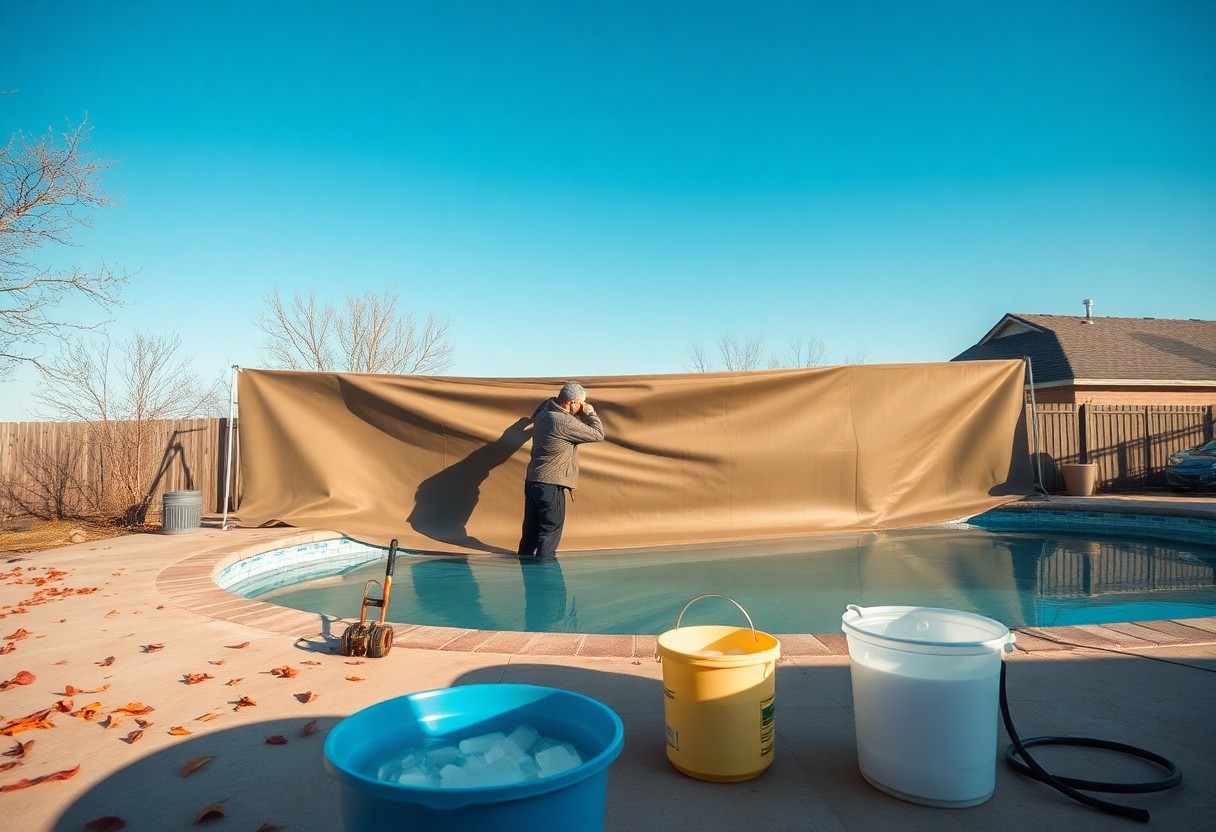
Importance of Winterizing a Pool
Winterizing your pool is important for preserving its condition and extending its lifespan. By taking preventative measures, you eliminate potential issues caused by freezing temperatures that can lead to costly repairs in spring. Proper winterization ensures that water chemistry remains balanced, preventing algae growth, and keeps your pool equipment operational, avoiding unnecessary damage and early replacements.
Protecting Equipment
To protect your pool equipment, drain all water from the pump, filter, and heater to prevent freezing damage. Adding antifreeze to plumbing lines is a smart move that creates a barrier against ice expansion. Additionally, disconnecting any electrical equipment ensures that they remain unscathed from moisture and freezing conditions.
Preventing Damage
Preventing damage involves meticulous attention to potential vulnerabilities in your pool. When water expands as it freezes, it can crack plaster or fiberglass surfaces. Maintaining proper water chemistry prior to winter will help avoid scaling and staining, while properly covering your pool protects it from debris buildup that can lead to further complications come spring.
Preventing damage also requires regular checks throughout the winter months. Inspect your pool cover for any tears or sagging, as this can allow unwanted debris in. Ensuring that your pool is properly drained reduces the likelihood of hydrostatic pressure, which can threaten the structural integrity of the pool shell. Regularly monitoring water levels beneath the cover can help you take necessary actions before any major issues arise.
Steps to Properly Winterize Your Pool
Follow these important steps to ensure your pool remains in top condition throughout winter. Proper winterization not only protects it from freezing temperatures but also sets you up for a smoother re-opening in the spring.
Cleaning the Pool
Before winter sets in, thoroughly clean your pool to prevent algae growth and staining. Skim the surface to remove leaves and debris, vacuum the bottom, and brush the walls. Consider using a pool cleaner for efficiency, and check the skimmer and pump baskets for any accumulated dirt.
Balancing Water Chemicals
Achieving the right chemical balance in your pool is important for preventing wintertime issues. Test the water’s pH, alkalinity, and chlorine levels and make adjustments as necessary, allowing for a slightly higher pH and alkalinity before closing.
To properly balance your pool’s chemicals, aim for a pH level between 7.4 and 7.6, total alkalinity of 80-120 ppm, and a chlorine level of 1-3 ppm. You may need to add alkalinity increaser, pH reducer, or chlorine stabilizer to achieve these levels. Allow the chemicals to circulate for at least 24 hours before proceeding to the next winterization step.
Lowering Water Level
This step is important for protecting your pool from freezing conditions. Lower the water level to just below the skimmer and return fittings, preventing ice from expanding in these areas, which could cause serious damage.
To lower the water level effectively, use a submersible pump or your pool’s filter system on the waste setting. If you live in an area with heavy snowfall or freezing, aim for about 4 to 6 inches below the skimmer. This will mitigate the risk of ice-related damage while ensuring adequate drainage.
Winterizing Equipment
Properly winterizing your pool equipment is vital for extending its lifespan. Drain and clean all pool equipment, including filters, heaters, and pumps, and ensure all lines are blown out to prevent water accumulation.
For equipment winterization, start by shutting off all power sources and draining the pump, heater, and filter to remove any remaining water. Use a wet/dry vacuum to clear out plumbing lines, and add non-toxic antifreeze if required for protection against freezing. Finally, store all equipment in a safe, dry location to shield it from harsh winter elements.
Covering Your Pool
Properly covering your pool is important for protecting it during winter in Anna. A well-fitted cover will prevent debris accumulation and minimize algae growth. For detailed steps, refer to How to Winterize an Above Ground Pool.
Choosing the Right Cover
Select a cover that is durable and fit for your pool’s specific dimensions. Solid covers are effective at keeping out debris, while mesh options allow water to pass through and reduce pooling but may not block as much debris. Ensure the cover is UV-resistant and can withstand harsh winter conditions.
Installation Tips
When installing your pool cover, ensure it fits securely and is taut to avoid sagging. Use water bags or straps to weigh down edges and prevent wind from lifting it. Check for any gaps where debris could enter and seal them tightly. Always opt for professional assistance if needed.
- Start by clearing the area around the pool.
- Check the pool’s edges for anything that could interfere with the cover’s fit.
- Assume that regular inspections will help maintain cover performance.
Consider starting the installation on a calm day to reduce the risk of wind complicating the process. Ensure that the cover can be easily removed in spring and secured appropriately for the winter. Taking these precautions will help extend your cover’s lifespan.
- Secure all cover straps adequately.
- Utilize a winter cover pump to keep water off the surface.
- Assume that following manufacturer guidelines will maximize cover efficiency.
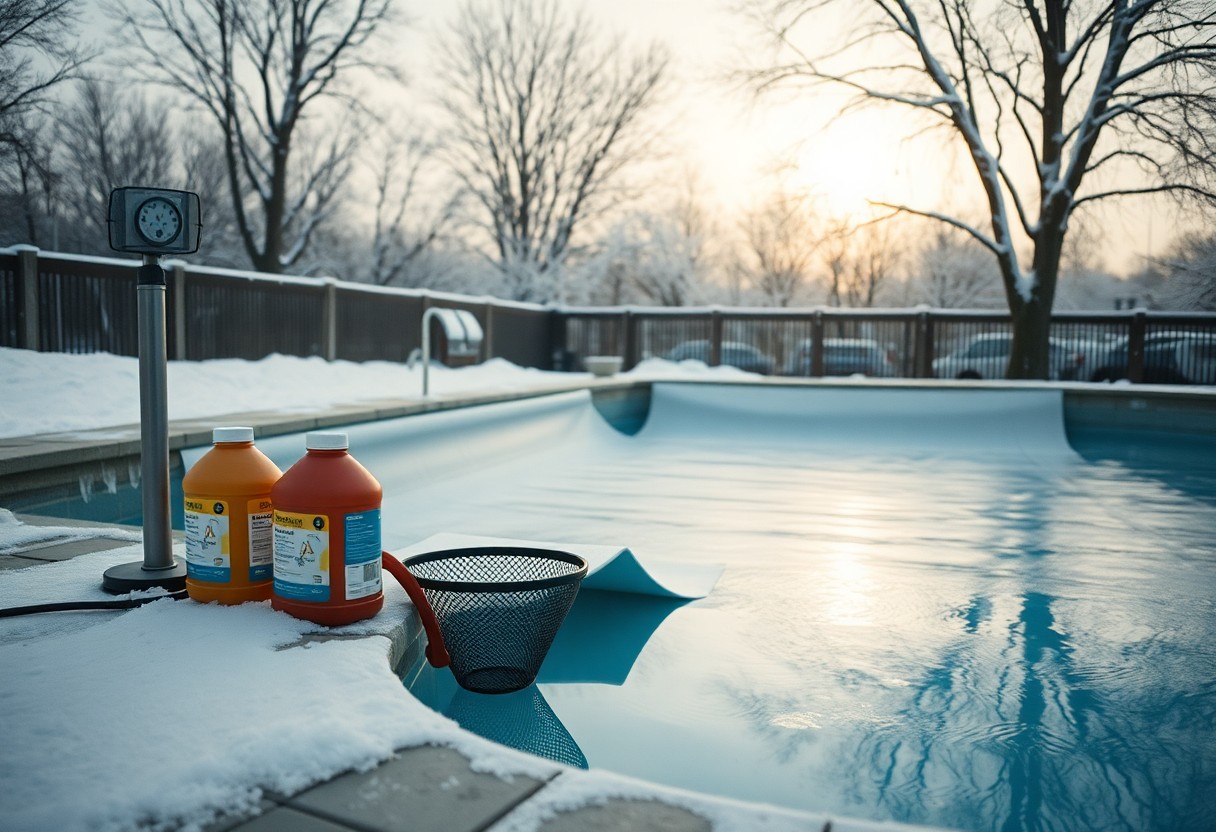
Maintaining Your Pool During Winter
Even during winter, you need to keep an eye on your pool to ensure it remains in good condition. Regular maintenance helps you avoid costly repairs when the warmer weather returns. For comprehensive instructions, check out A step-by-step guide on how to winterize a pool. Following these guidelines will help you maintain your pool effectively throughout the cold months.
Regular Checks
Performing regular checks on your pool’s cover, water level, and chemical balance is necessary to prevent issues. This includes inspecting for any debris accumulation on the cover and ensuring it’s still securely in place. Testing the water chemistry once a month will help maintain proper balance and protect your pool surfaces.
Debris Removal
Removing debris is vital for keeping your pool clean and preventing damage to the surface and equipment. Leaves, twigs, and other materials can accumulate on the cover, risking algal growth and damaging the structure when left unattended.
It’s advisable to remove debris promptly, ideally weekly. Use a leaf blower or a soft broom to clear the cover, ensuring that water does not pool on top. Additionally, occasionally check to see if any debris has slipped underneath the cover, as this can cause staining or damage as it decomposes. By routinely monitoring and cleaning, you maintain a healthier pool environment and ease the reopening process in spring.
De-winterizing Your Pool in Spring
As temperatures rise, it’s time to de-winterize your pool and prepare it for the swimming season. Start by removing the cover and checking for debris. Inspect the pool structure for any damage, and ensure that all equipment, including pumps and filters, is in working order. This initial assessment helps you identify any repairs or services needed before you can enjoy your pool.
Preparing for Opening
Begin by refreshing your pool area; clean the deck and organize any furniture or toys. Inspect your pool equipment for wear and replace any damaged parts. Once your space is tidy, fill the pool with water to the proper level and reconnect all equipment to ensure it’s ready for use. A thorough preparation sets a solid foundation for a fun-filled summer.
Cleaning and Balancing
A thorough cleaning and balancing of your pool water are crucial steps before swimming begins. Start by vacuuming the pool floor and brushing the walls to remove any algae or dirt that accumulated over the winter. Check your water chemistry using a test kit; adjust pH, alkalinity, and chlorine levels as necessary to achieve ideal conditions for safe swimming. Maintaining proper chemical balance not only protects your health but also extends the longevity of your pool equipment.
For optimal cleaning, use a quality pool vacuum and skimmer to remove debris. After vacuuming, brush the walls to dislodge any remaining contaminants. Once the pool is clean, add chemicals gradually, testing frequently to reach the suggested ranges (pH between 7.2 and 7.8, chlorine levels at 1-3 ppm). Regular testing and adjustments are key to preventing algae growth and ensuring crystal-clear water, leaving your pool inviting for swimmers.
Common Mistakes to Avoid
Winterizing your pool requires attention to detail to prevent costly damage. Many pool owners make mistakes that can lead to structural issues, equipment malfunction, or expensive repairs. Vigilance is key; maintaining proper practices will save you time and money when spring arrives.
Neglecting Water Levels
Leaving your pool water level too high can result in water freezing and damaging your skimmer. Conversely, water that’s too low may not provide enough protection for your plumbing. Aim for a level approximately 4 to 6 inches below the skimmer to avoid both issues.
Improper Covering
Using the wrong cover or improperly securing it can lead to debris accumulation, which can damage your pool over time. Additionally, a poorly fitting cover allows for heat loss, adding unnecessary stress to your heating system and increasing cleaning efforts in spring.
Ensure your cover is specifically designed for your pool type and climate. It should fit snugly to prevent wind from lifting it, which can expose your pool to weather elements. Invest in a quality cover that can withstand heavy snow loads and heavy winds typical in Anna winters. Regularly check for wear and tear, as a damaged cover loses its protective qualities and can lead to significant pool maintenance challenges in the spring.
Summing up
Considering all points, properly winterizing your pool in Anna involves several key steps to ensure protection against the winter elements. You should first clean and balance the pool water, remove any equipment, and add winterizing chemicals. Drain the pool lines and cover your pool securely to prevent debris accumulation. Additionally, check the cover periodically throughout the season for any damage. Following these guidelines will help maintain the integrity of your pool and prepare it for a smooth reopening in spring.
FAQ
Q: What is the first step in winterizing my pool in Anna?
A: The first step is to thoroughly clean the pool. Remove all debris, vacuum the pool floor, and brush the walls. This helps prevent algae growth over winter.
Q: Should I lower the water level before winterizing?
A: Yes, you should lower the water level below the skimmer and return jets. This prevents water from freezing and damaging these components.
Q: How do I properly add winterizing chemicals?
A: After cleaning the pool, add a winterizing chemical kit according to the manufacturer’s instructions. Typically, this includes chlorine, algaecide, and a shock treatment to prepare the pool for winter.
Q: Is it necessary to remove pool equipment during winterization?
A: It is advisable to remove and store equipment like pumps, heaters, and filters in a safe, dry location. This prevents damage from freezing temperatures.
Q: What should I do with my pool cover for winter?
A: Install a proper winter pool cover that is securely fastened. Ensure that it is free of debris and water accumulation to protect the pool and components beneath.