
Just follow targeted winterizing steps to protect your pool when temperatures drop: lower the water level below the skimmer, thoroughly balance and sanitize chemicals, run the pump to circulate treated water, blow out and plug lines or add pool antifreeze to plumbing, insulate exposed pipes and equipment, remove ladders and accessories, and install a secure winter cover. If you’re unsure, consult a local pool pro to avoid freeze damage and costly repairs.
Key Takeaways:
- Monitor forecasts and keep water circulating during freezes-run the pump or set continuous circulation to prevent ice forming.
- Protect equipment: drain exposed water from pumps, filters and heaters, disconnect power where instructed, and wrap or insulate exposed plumbing and equipment.
- Lower pool water level below skimmers (for in-ground) or partially drain above-ground pools and use an air pillow to allow ice expansion; blow out lines or add propylene glycol antifreeze where appropriate.
- Balance chemicals and apply a shock and algaecide before a freeze so water stays sanitary if circulation is reduced.
- Secure covers, remove ladders and toys, and inspect the pool and equipment after thawing before restarting full operation.
Understanding Freezing Temperatures in Texas
Key factors affecting freezes and what they mean for your pool
| Factor | Pool impact |
|---|---|
| Arctic air intrusions | Can force prolonged subfreezing temperatures that freeze plumbing, heaters, and exposed equipment. |
| Radiational cooling | Clear, calm nights drop surface temps quickly, increasing risk of ice on covers and shallow equipment. |
| Duration vs. low temperature | Multiple nights near freezing damage gear more than a single short dip; duration informs how you winterize. |
Causes of Freezing Temperatures
Common meteorological causes and practical effects
| Cause | How it affects your pool |
|---|---|
| Polar air masses | Sudden drops to single digits or teens can freeze exposed pipes and break fittings. |
| Strong cold fronts | Rapid temperature swings stress equipment and can leave inadequate recovery time between freezes. |
| Clear, calm nights | Allow heat to radiate away; shallow water and equipment cool fastest and ice over. |
When Arctic air pushes into Texas, you can see rapid temperature falls that matter for your pool: single-night freezes may only form thin ice, but multi-night events raise the risk of burst pipes and damaged heaters. You should plan for both the low temperature and how long it lasts, since longer cold spells are the main threat to plumbing and motors.
Regional Variations in Texas
How risks change across Texas regions and what that means for your pool
| Region | Freezing profile (what to expect for your pool) |
|---|---|
| Panhandle / High Plains | Frequent subfreezing nights; multi-day freezes common-full winterization often needed. |
| North & Central Texas (Dallas, Hill Country) | Periodic single- to multi-night freezes; pipes and equipment at moderate risk. |
| San Antonio / Austin | Occasional freezes; microclimates mean some yards need more protection than others. |
| Gulf Coast (Houston, Galveston) | Rare freezes, usually brief and milder; focus on short-duration protection and cover use. |
Across Texas, you should tailor preparations: in the Panhandle you’ll want full line blowouts and insulated equipment, while in the Gulf Coast you can often manage with covers and keeping circulation running. Your elevation and local terrain can create pockets where frost hits earlier or later than the regional forecast indicates.
Historical Data on Freezing Events
Notable freezes and trends that inform your pool strategy
| Event/Trend | Pool-related takeaway |
|---|---|
| Feb 2021 winter storm | Extended subfreezing period with power outages caused widespread pipe and pump failures-plan for power loss. |
| Recurring seasonal variability | Some winters bring multiple freeze nights; prepare for repeated short events rather than a single extreme. |
| Local historical averages | Count freeze nights in your county to decide between temporary measures and full winterization. |
Reviewing past events shows that the biggest pool losses come from prolonged freezes combined with loss of circulation or power; during 2021 many homeowners lost heaters and had burst lines. You should use local NWS and county records to see how many freeze nights your area typically gets and whether extreme multi-day freezes have occurred in recent decades.
Preparing Your Pool Before Winter
Cleaning Your Pool
Start by skimming surface debris, brushing walls and vacuuming the floor so organic matter doesn’t rot over cold snaps; empty skimmer baskets and the pump strainer, and backwash or clean cartridges until the pressure stabilizes. In Texas, falling oak and cedar pollen can spike phosphates, so test and use a phosphate remover if levels exceed 100 ppb. Run your filter 8-12 hours after cleaning to clear suspended fines before lowering activity for winter.
Balancing the Pool Chemicals
Test your water with a reliable liquid or digital kit and target free chlorine 1-3 ppm, pH 7.2-7.6, total alkalinity 80-120 ppm, calcium hardness 200-400 ppm and cyanuric acid 30-50 ppm. Correct alkalinity first, then pH, and shock if the water is cloudy or has any algae signs; proper balance prevents staining and reduces winter maintenance headaches.
Follow a stepwise routine: raise alkalinity with sodium bicarbonate (roughly 1.5 lb per 10,000 gallons to increase TA ~10 ppm), adjust pH with soda ash or muriatic acid as needed, then correct calcium hardness and CYA. After each addition, run the pump 4-6 hours and retest. If you shock, aim for a short high-chlorine treatment (for example, raising free chlorine to about 10 ppm for 24 hours) before letting levels fall back into the maintenance range.
Lowering Water Levels
Lower the water about 4-6 inches below the skimmer for in-ground pools so ice can form without cracking skimmer throats; for above-ground pools, drop water below return fittings. Avoid draining below the tile line or exposing the pool floor. Empty pump baskets, remove drain plugs and keep an eye on levels during execution so your equipment isn’t left running dry.
Operate a submersible pump or a controlled siphon to lower levels, checking the gauge as you go. After lowering, install skimmer guards or winter plugs and consider an air pillow under a solid cover to absorb freeze expansion. If forecasts show prolonged sub-freezing spells, blow out lines with a wet/dry vacuum or add propylene-glycol pool antifreeze to isolated lines per product instructions.
Equipment Protection
Air Pumps and Filters
When temperatures dip toward freezing, set your automation’s freeze-protect to about 40°F so the pump cycles automatically (many pros use 15 minutes every 30-60 minutes). Backwash sand/DE filters and remove cartridge elements to dry indoors; store O-rings in a labeled bag. If you use an air blower for spa jets, disconnect and store it or cap vents to prevent ice entry and motor damage.
Heaters and Automation Systems
If your controller supports freeze protection, keep it powered and set the trigger near 40°F so the pump runs before ice forms; that prevents pressure spikes and ruptures. For gas heaters, follow the manufacturer: some allow a standing pilot or “freeze” mode, while others advise leaving power on but set OFF to avoid cycling issues.
More detailed steps: test the freeze function before cold snaps by lowering the temp sensor to simulate 35-38°F and confirm the pump runs and valves actuate. Update batteries in wireless sensors and record firmware versions-systems with logged runtimes help diagnose missed cycles. Finally, shield control boxes with a breathable cover and route control wiring inside conduits to avoid condensation and shorted circuits during multi-day freezes.
Plumbing and Pipe Insulation
Insulate all above-ground PVC with foam sleeves (½”-1″ thick) and secure with UV tape; protect metal fittings and backflow preventers with insulated jackets. Lower pool water 4-6 inches below the skimmer throat if a prolonged freeze is forecast, and cap exposed returns to stop siphoning and freeze-blockage.
For more protection: either have a pro blow out lines or use an air compressor and blow until only air exits each return (many techs target 40-50 psi for a few seconds per line), then plug lines with winterizing plugs. Wrap heat tape (UL-listed) around vulnerable lengths and cover with insulation; test exposed joints after the first freeze-small leaks often show up within 24-48 hours so you can fix them before a bigger cold spell.
Pool Covering Options
Choosing the Right Pool Cover
You should match cover type to your pool goals: use a solid or safety cover (vinyl-coated polyester) to block debris and support weight, a mesh cover to allow drainage and reduce ponding, or a 6-mil solar blanket to retain heat and cut reheating energy by roughly 20-30%. Select UV-stabilized materials and size the cover with a 6-12 inch overlap; for Texas’s occasional freezes pick products rated for low temperatures down to about 20°F.
Proper Cover Installation
Begin by clearing loose debris and setting the water level per the manufacturer, then position the cover evenly and secure anchors every 3-6 feet using stainless-steel or brass hardware. Thread the perimeter cable and tighten with a winch or ratchet system to create uniform tension, avoid gaps at corners, and confirm straps are not twisted; incorrect tension invites wind lift or excessive wear.
Measure twice before ordering: cut-to-shape covers need precise pool length and width plus overlap. For inground pools install concrete or spring anchors into the deck; for vinyl-lined or aboveground pools use deck-mounted anchors or water bags. Tighten cables incrementally-work opposite sides in 2-3 passes to avoid skewing-then trim excess strap if present and protect coping with edge guards where metal or sharp coping exists. If ice or heavy rain is forecast, set up a low-capacity cover pump (500-1,000 GPH) for rapid drainage of standing water.
Ensuring Cover Longevity
Inspect the cover and hardware every 4-6 weeks, remove standing water within 24-48 hours using a float pump, rinse saltwater or pool chemicals off covers, and store folded in shade when not in use. Apply a UV protectant annually and tighten anchors after any severe wind event to prevent seam stress and material degradation.
For small tears use the manufacturer’s patch kit or a marine-grade vinyl adhesive; apply patches to clean, dry surfaces and allow full cure before retensioning. Track wear at seams and anchor points-plan on replacing mesh covers in about 5-8 years and heavy-duty vinyl safety covers in 7-12 years depending on sun exposure. For seam failures or large repairs hire a professional cover repair service to restore tensile strength and warranty coverage.
Winterizing Your Pool
Steps for Complete Winterization
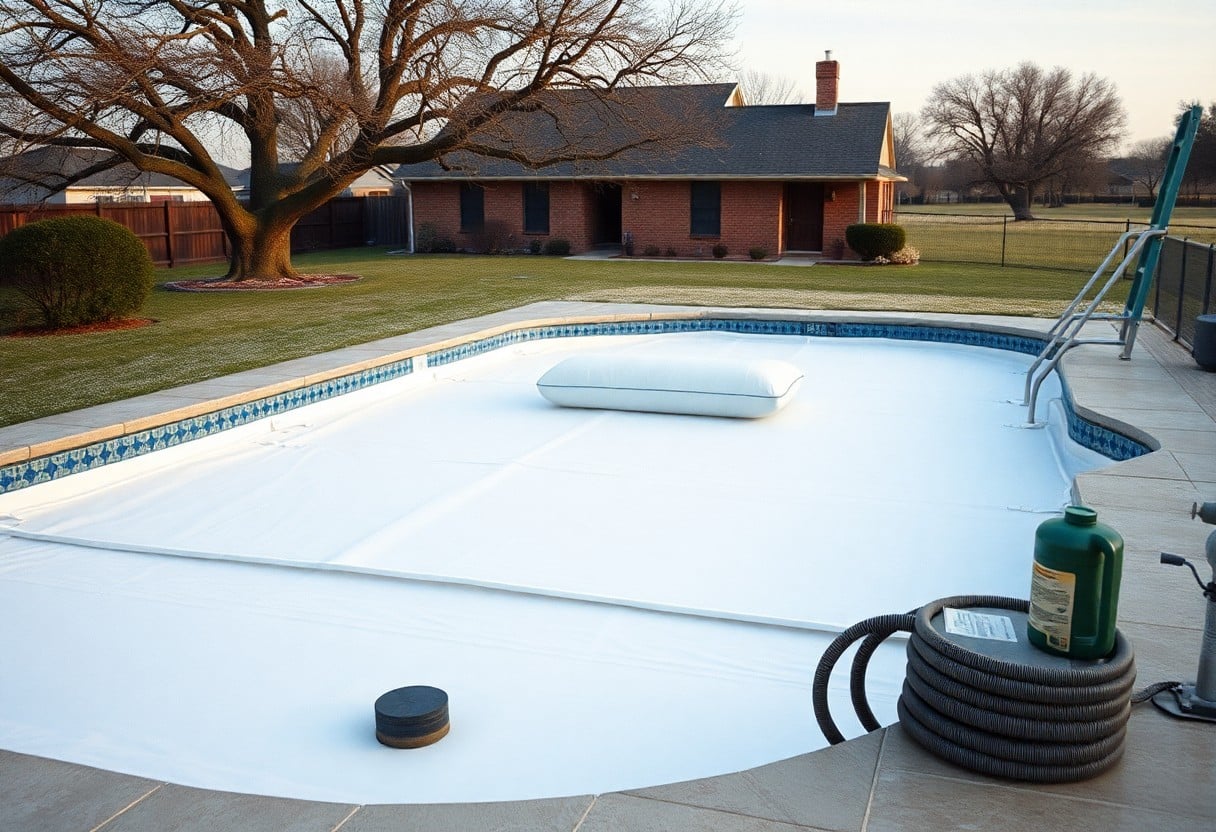
Start by cleaning and vacuuming, then balance chemistry to pH 7.2-7.6 and total alkalinity 80-120 ppm; shock to ~10 ppm free chlorine and add a winter algaecide or kit sized for your pool volume (e.g., 15,000-25,000 gallons). Backwash or clean the filter, run the pump 24 hours after treatment, then drain equipment and blow out lines to 5-10 psi and install winter plugs; finally, cover the pool with a properly fitted winter cover and schedule checks every 2-4 weeks during cold snaps.
Closing Procedures for Above-Ground Pools
Lower the water 4-6 inches below the skimmer and remove the ladder, pump, and filter for indoor storage; drain the frame and fittings, plug returns and skimmer, and use a solid winter cover secured with a cable or water tubes to prevent sagging. Add a winter chemical dose designed for your pool volume and install an air pillow to reduce ice pressure on the liner when temperatures dip near or below 32°F.
For extra protection, center an air pillow sized to your pool diameter per the manufacturer’s chart (common sizes: 12-24 ft pools) and inflate to the recommended pressure; this absorbs freeze expansion and prevents the cover from cutting into the liner. Also, disconnect and cap all hoses, store vinyl repair kits and a small cover pump in your garage, and label any buried valves so you can quickly reopen lines after warm spells.
Closing Procedures for In-Ground Pools
Balance chemicals (pH 7.2-7.6, alkalinity 80-120 ppm), shock to ~10 ppm, then lower water to just below the skimmer mouth or as manufacturer advises; install winter skimmer plates or plugs, remove and store the pump and filter indoors, and blow out and plug lines to prevent trapped water from freezing. Finish by installing a solid or mesh cover rated for in-ground use and checking hardware and anchors for tightness before the first freeze.
When winterizing in-ground plumbing, use a wet/dry shop vac or compressor to clear lines to 5-10 psi and pour pool-rated (propylene glycol) antifreeze only into low points and traps per product directions; avoid automotive ethylene glycol. Choose a cover based on local conditions-solid covers keep debris out but need a cover pump for Texas rain, while mesh sheds water but may allow light and small debris-then verify return and skimmer plugs after major temperature swings.
Monitoring and Maintenance During Winter
Regular Inspection Responsibilities
You should inspect your pool every 7-10 days during freezing snaps: check the cover tension, look for standing water or tears, confirm the pump and filter run on their timer, and verify skimmer and return lines are clear. Maintain water level about 4-6 inches below the skimmer mouth, and test pH (7.2-7.6) and free chlorine (1-3 ppm) weekly to prevent staining or algae growth.
Keeping Ice and Snow Off the Cover
You need to remove snow once it accumulates 2-3 inches to avoid excess weight; use a soft-bristle broom or snow rake and a cover pump for standing water. Avoid sharp tools and never walk on the cover-use a board or step stool on the deck if you must reach straps or anchors. Check straps and anchors after storms for slippage.
For deeper protection, place one or two polyethylene air pillows in the center of a 12×24 or 16×32 pool to reduce ice stress and channel meltwater to the perimeter; larger pools may need 3-4 pillows spaced evenly. When using a cover pump, choose a model with an automatic shutoff to prevent overrun and position the discharge away from the pool edge to avoid refreezing along the rim. If ice forms, pour warm (not boiling) water along seams to loosen frozen straps rather than prying, and patch small punctures with PVC tape designed for pool use.
Winter Maintenance Tips
Keep your equipment running on a conservative schedule: run the pump 2-4 hours daily when temps drop below 40°F to keep water moving and prevent freeze in lines, and lower heater setpoints or bypass the heater if you’re avoiding freeze cycles. Balance chemicals before a predicted freeze and top off the winter algaecide dose to 0.5-1 ppm of polyquat where local codes allow.
- Shock the pool with 1 lb of chlorine per 10,000 gallons before closing if combined chlorine is high.
- Insulate exposed plumbing with foam sleeves and heat tape rated for outdoor use where temperatures dip near 20°F (-6°C).
- After any prolonged freeze, run the pump and inspect skimmer baskets and visible fittings within 24-48 hours.
When you return after a cold spell, open the cover carefully: release straps gradually to avoid sudden water rushes, then remove snow and drain cover water before folding. Service the filter by backwashing or cleaning cartridges if run-hours exceeded normal due to extended circulation, and test for total alkalinity (80-120 ppm) and calcium hardness (200-400 ppm) to mitigate scaling or corrosion. Schedule a professional exam if you detect motor noise, air in lines, or repeated freeze events.
- Store removable equipment (ladders, skimmer socks, automatic cleaners) in a dry place to prevent freeze damage.
- Keep a small inventory of consumables-winter algaecide, shock, and pH decreaser-on hand for rapid adjustments.
- After thawing, document any damage with photos and notes to expedite insurance or repair quotes.
Common Mistakes to Avoid
Overlooking Equipment
You can’t leave pumps, filters, heaters, and exposed plumbing as if freezing won’t happen; water expands about 9% when it freezes and will crack housings and valves. Drain pump and filter housings to below the freeze line, remove and store drain plugs and skimmer baskets indoors, and either blow out lines or follow manufacturer instructions for antifreeze in plumbing. During subfreezing nights run short pump cycles or use a freeze protection setting if available to protect sensitive components.
Neglecting Pool Chemistry
You should keep pH 7.2-7.6, total alkalinity 80-120 ppm, calcium hardness 200-400 ppm and maintain sanitizer-free chlorine around 1-3 ppm, higher when preparing to close. Cold slows chlorine activity, so shock the pool 24-48 hours before an expected freeze (many pros target 3-5 ppm free chlorine or a shock to 10 ppm as a precaution) to prevent algae and scale formation during temperature swings.
Balanced chemistry also protects equipment and surfaces: low pH or alkalinity lets water become corrosive, leading to etched plaster or corroded heaters, while very high calcium causes scaling when temperatures change. Adjust cyanuric acid to 30-50 ppm for outdoor pools to stabilize chlorine, test weekly during cold snaps, and top off sanitizers instead of waiting-commercial shops often see winter reopenings require double the shock and extra algaecide when owners neglected routine balancing.
Using Inappropriate Covers
You shouldn’t rely on a cheap tarp or generic plastic for winter protection because those materials tear, stretch, and let debris or water accumulate; a heavy rain or sleet event can add hundreds of pounds and damage anchors or pool walls. Invest in a cover rated for your pool type and local conditions-professional covers typically range from $500 to $2,000 but prevent far costlier repairs and liability.
Choose the right cover type: mesh covers let rain through and avoid heavy water loads but require debris removal; solid covers keep debris out but need a submersible pump or sump to remove pooled water and increased anchor strength; safety covers are load-bearing and anchored to the deck for winter use. Follow the manufacturer’s anchor spacing and inspection guidelines, replace covers showing UV degradation or tears (often every 5-10 years), and secure all hardware to prevent wind or freeze-related failures.
Conclusion
Drawing together, you should balance your water chemistry and shock the pool, lower the water level or close skimmers if required, clear debris and fit a secure cover, insulate or wrap exposed pipes and equipment, and run your pump on a freeze schedule to keep circulation. If plumbing will be idle, use pool-safe antifreeze or blow out lines and close valves to prevent burst pipes.
FAQ
Q: How far in advance should I prepare my pool when a freeze is forecast in Texas?
A: Start preparing 48-72 hours before a predicted freeze: check the extended forecast, clean and vacuum the pool, test and balance water chemistry, remove or secure loose accessories, and set up covers or insulating materials so you’re not rushing when temperatures drop.
Q: What should I do to protect plumbing, pump and heater from freezing?
A: Drain or blow out low points and exposed lines with an air compressor or use pool-grade propylene glycol antifreeze in lines you cannot clear; install skimmer guards or freeze plugs; insulate exposed pipes and the pump with foam sleeves or tarps; follow the heater manufacturer’s instructions for winterizing or enable its freeze-protection feature if available; when in doubt, shut off and drain equipment per the manual.
Q: How should I balance chemicals before a freeze?
A: Bring pH to 7.2-7.8, total alkalinity to the recommended range for your pool, and calcium hardness to avoid corrosion or scale; shock the pool to lower combined chlorine and control organics, add a long-lasting algaecide or enzyme product if you’ll be away, and maintain a safe sanitizer level through the cold period by checking and adjusting as needed.
Q: Should I lower the pool water level for freezing temperatures?
A: For above-ground pools lower the water a few inches below the skimmer and remove skimmer parts; for in-ground pools do not fully drain-lower only slightly if using a solid cover to allow for ice expansion, but never drain below the skimmer/tile line to avoid structural issues; use cover supports or floaters to prevent damage from ice or snow.
Q: What’s the difference between short-term freeze steps and full seasonal winterizing in Texas?
A: For short freezes (a night or two) run the pump continuously during cold snaps, add a shock dose, cover the pool, and insulate equipment. For extended cold or long-term inactivity perform full winterizing: deep clean, fully balance chemicals, blow out lines and add pool-grade antifreeze if needed, install a secure winter cover, drain and store removable equipment, and consider a professional winterizing service.