There’s a lot to consider when it comes to maintaining your pool in Frisco, and avoiding common mistakes can save you time and money. From neglecting regular water testing to overlooking proper cleaning routines, these oversights can lead to larger problems down the line. Understanding what pitfalls to avoid helps ensure your pool remains safe, inviting, and well-maintained all season long. This guide will highlight key maintenance errors that you should steer clear of for optimal pool enjoyment.
Key Takeaways:
- Neglecting regular cleaning can lead to algae growth and cloudy water.
- Inadequate balancing of chemicals can harm pool surfaces and affect swimmer health.
- Ignoring filtration system maintenance may result in decreased efficiency and higher operating costs.
- Failing to winterize the pool properly can cause damage during colder months.
- Not monitoring water levels can lead to equipment strain or inadequate skimming and circulation.
Common Pool Maintenance Mistakes
Many homeowners unknowingly make critical errors in pool maintenance that can affect water quality and equipment longevity. By addressing these common mistakes, you can ensure a healthier swimming environment and reduce repair costs. Prioritizing consistent upkeep and understanding your pool’s requirements will keep it in top condition, making your swim season enjoyable and trouble-free.
Neglecting Regular Cleaning
Skipping regular cleaning can lead to debris accumulation, algae growth, and clogged filters. You should sweep, vacuum, and use a skimmer regularly to maintain water clarity and prevent long-term damage. A consistent cleaning schedule keeps your pool inviting and minimizes the chances of costly repairs.
Ignoring Water Chemistry
Improper water chemistry can result in skin irritations, cloudy water, and equipment damage. You need to regularly test your pool water and adjust the pH, alkalinity, and chlorine levels to safe ranges-usually pH between 7.2 and 7.8, alkalinity between 80 and 120 ppm, and chlorine levels between 1 and 3 ppm. Neglecting these aspects allows harmful bacteria to thrive, leading to health risks for swimmers and potential breakdowns of your filtration system.
Inadequate Filtration Practices
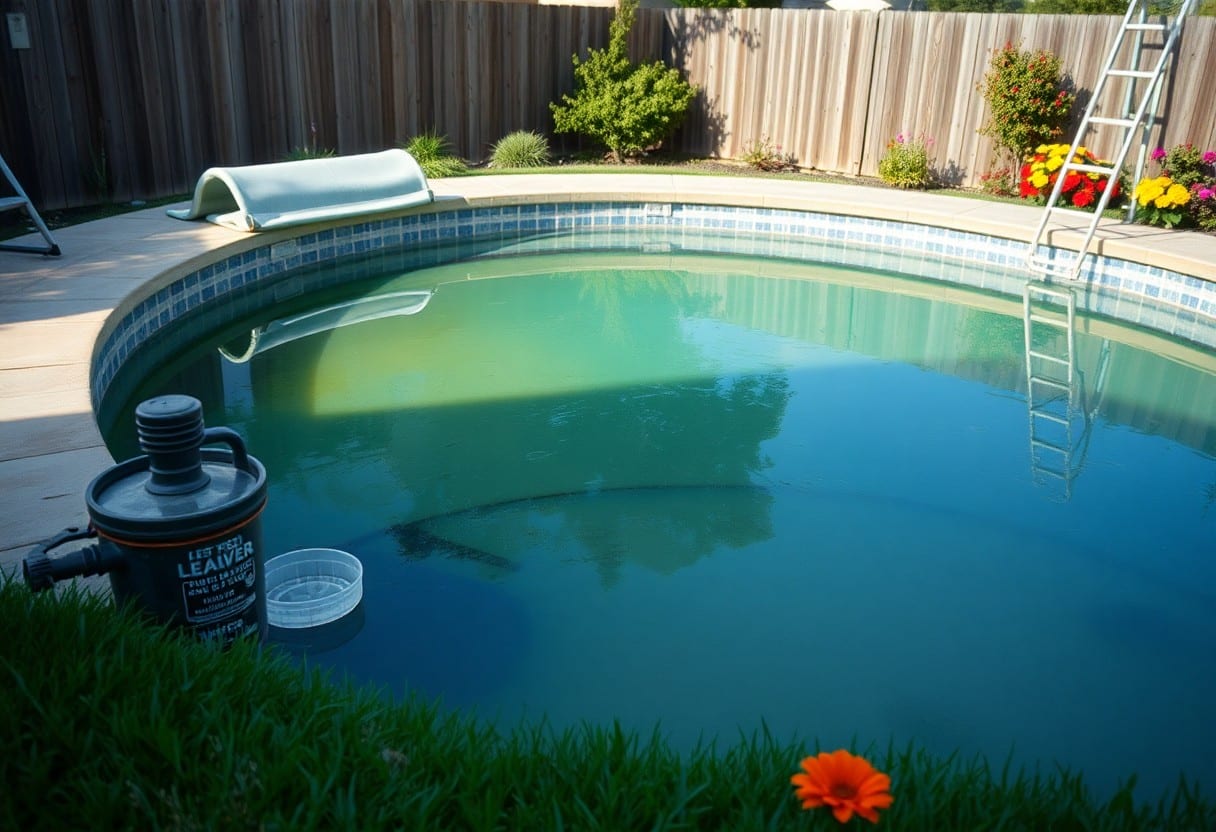
Your pool’s filtration system is vital for maintaining clean water and preventing algae growth. Ignoring proper filtration practices can lead to murky water and potential damage to your pool equipment. Ensure you regularly monitor your filter’s performance and adhere to a strict cleaning schedule, as neglecting these tasks can compromise water clarity and overall hygiene.
Overlooking Filter Cleaning
Failing to clean your pool filter regularly diminishes its effectiveness, resulting in contaminants remaining in the water. For cartridge filters, wash them every 2-4 weeks, while sand filters should be backwashed when the pressure gauge rises 8-10 psi above normal. This routine maintenance prevents buildup that could lead to costly repairs and less enjoyable swimming experiences.
Using the Wrong Type of Filter
Selecting an unsuitable filter for your pool size and type can significantly hinder water circulation and cleaning efficiency. Each filter type-cartridge, sand, or diatomaceous earth-has unique specifications that need to align with your pool’s requirements. For instance, if you have a larger pool, a sand filter might be preferable, while a smaller above-ground pool could effectively use a cartridge filter.
Using the wrong type of filter not only diminishes water quality but can also increase operational costs. For example, if you have a vinyl-lined pool and opt for a sand filter designed for concrete pools, you may struggle with water clarity and experience clogging issues. Therefore, understanding your pool’s specifications and matching them with the appropriate filter type will enhance filtration efficiency and extend the lifespan of your pool system. Always consult a professional if uncertain about the right fit for your pool setup.

Poor Equipment Maintenance
Neglecting regular equipment maintenance is a common pitfall for pool owners that can lead to costly repairs and diminished pool performance. Staying proactive can enhance the lifespan of your pool equipment and save you money in the long run. Ensure you have a routine maintenance schedule, checking all components, from filters to heaters, to keep everything in optimal condition.
Skipping Pump Maintenance
A pump’s vital role in circulating water makes its maintenance necessary. Failing to clean or replace the pump basket and filter regularly can lead to lowered efficiency and increased energy bills. A well-maintained pump not only prolongs its lifespan but also ensures clean and clear pool water.
Ignoring Heater Care
Heater maintenance is often overlooked, but it plays a significant role in extending the heater’s life and ensuring energy efficiency. Regularly checking for leaks, cleaning filters, and scheduling professional inspections can prevent major malfunctions and costly replacements down the line.
Heaters can accumulate scale and debris over time, which limits their efficiency and can lead to overheating issues. Cleaning the heat exchanger annually and ensuring proper water chemistry, especially pH and calcium levels, can mitigate these problems. Many homeowners experience a drop in heating performance due to simple neglect of these tasks, resulting in longer heating times and increased energy costs. Addressing heater care as part of your routine maintenance can significantly improve both comfort and operational costs.
Incorrect Water Level Management
Maintaining the correct water level in your pool is vital for effective filtration and circulation. When your pool’s water level is off, whether too low or too high, it can lead to numerous problems, including damage to your pool equipment and poor water quality. For expert insights, check out Frisco Pool Opening: Expert Tips for a Sparkling Pool.
Allowing Water to Drop Too Low
Letting your pool water level drop too low can expose the skimmer, leading to potential damage to the pump and strainer. When the skimmer runs dry, it makes your pump work harder, which can shorten its lifespan. Regularly check your water level, especially during hot weather or after heavy usage, to ensure it remains within the optimal range.
Overfilling the Pool
Overfilling your pool creates a host of issues, including water displacement and potential damage to surrounding landscaping. Additionally, excess water can lead to higher chemical usage as you’ll have to balance the new volume. It’s critical to monitor rain levels or when using automatic fillers to avoid overdoing it.
Overflowing pools can be particularly problematic-water can spill over the edges, damaging decking and causing erosion in your yard. Furthermore, too much water reduces the efficiency of your pool’s filtration system, diluting chemicals and increasing the risk of algae growth. Maintain a balanced water level for the best swimming experience and to protect your investment.
Seasonal Preparation Errors
Understanding how to prepare for seasonal changes is vital for maintaining your pool’s health and longevity. Mistakes during seasonal transitions can lead to water quality issues and equipment damage. Whether gearing up for summer or shutting down for winter, being proactive is key to avoiding these common errors.
Improper Winterization
Failing to winterize your pool properly can result in significant damage during freezing temperatures. Without adequately draining the lines and protecting equipment, ice formation can crack pipes and ruin filters. Always ensure that you use proper winter chemicals and cover your pool securely to shield it from debris.
Failing to Open the Pool Correctly
Opening your pool without following the correct procedures can lead to water clarity issues and equipment strain. Start by removing the cover and cleaning it thoroughly before storage. Next, check and balance the water chemistry, as improper chemical levels can promote algae growth and other complications. Ensuring the filtration system is cleaned and operational is vital to prevent further problems as you transition to swim season.
DIY vs. Professional Help
In terms of pool maintenance, you might wonder if you should tackle it yourself or hire a professional. While DIY can be cost-effective, it often leads to mistakes that can escalate into larger problems. For an overview of common pitfalls in pool care, check out 11 Pool Maintenance Mistakes You Need to Avoid. Assess your skills and time availability before making a decision, as professional help can save you money and headaches in the long run.
Knowing When to Hire a Professional
Recognizing when to bring in a professional can save you from unnecessary complications. If you’re facing persistent water quality issues, equipment malfunctions, or lack the knowledge of balancing pool chemicals, professional expertise is invaluable. The complexity of certain tasks, like equipment repairs or system upgrades, often warrants professional assistance to ensure safety and compliance with local regulations.
Risks of DIY Maintenance
While DIY projects can be appealing, pool maintenance carries risks that can lead to significant consequences. Incorrect chemical balancing can not only harm your pool but also affect anyone using it. Faulty equipment repairs may result in injuries or costly replacements. Without proper understanding and tools, you may also overlook vital maintenance steps, allowing algae and bacteria to flourish.
Attempting DIY maintenance without sufficient knowledge can lead to a range of hazards, including injury from faulty equipment or exposure to harmful chemicals. For instance, incorrect chlorine levels can cause skin irritation or respiratory issues. Mistakes in maintaining water chemistry can also create unsightly algae blooms, resulting in unsanitary swimming conditions and increased cleaning costs. Ultimately, the desire to save money might end up costing you more in repairs or health concerns.
To wrap up
Ultimately, avoiding pool maintenance mistakes can save you time and money while ensuring your swimming experience remains enjoyable. You should regularly check and balance water chemistry, clean filters, and remove debris to prevent costly repairs. Additionally, keeping up with equipment maintenance and monitoring your pool’s water level is vital for its longevity. By being proactive in these areas, you will enhance the safety and efficiency of your pool for years to come.
FAQ
Q: What common pool maintenance mistakes should Frisco homeowners avoid?
A: Homeowners often neglect regular cleaning, leading to algae buildup and poor water quality. Consistent vacuuming and skimming can prevent this issue.
Q: How can improper chemical balancing affect my pool?
A: Failing to test and balance chemicals, such as chlorine and pH, can result in skin irritation for swimmers and damaged pool surfaces and equipment.
Q: Why is it important to monitor water levels?
A: Inadequate water levels can strain the pump, reduce filtration efficiency, and lead to costly repairs. Regularly check and adjust water levels to maintain optimal function.
Q: What effects does ignoring filter maintenance have?
A: An unclean filter can impair water circulation and increase contaminants. Monthly cleaning or replacement ensures efficient filtration and clear water.
Q: How can fluctuating temperatures impact pool maintenance?
A: Temperature changes can cause chemical imbalances and affect water clarity. Frequent testing and adjustments during seasonal shifts help stabilize pool conditions.