McKinney homeowners often face issues with pool heaters, especially during cooler months when you want to enjoy your pool. When your heater stops working, it can be frustrating, but knowing the right steps can help you resolve the situation efficiently. From troubleshooting common problems to seeking professional assistance, this guide will walk you through the necessary actions you should take to restore your pool’s warmth and maintain your relaxation.
Key Takeaways:
- Check the power supply to ensure the heater is receiving electricity.
- Inspect the thermostat settings to confirm they are correct.
- Examine the heater for any visible leaks or damage.
- Clean or replace the filter to facilitate proper water flow.
- Contact a professional technician for complex repairs or if the issue persists.
Common Causes of Pool Heater Failure
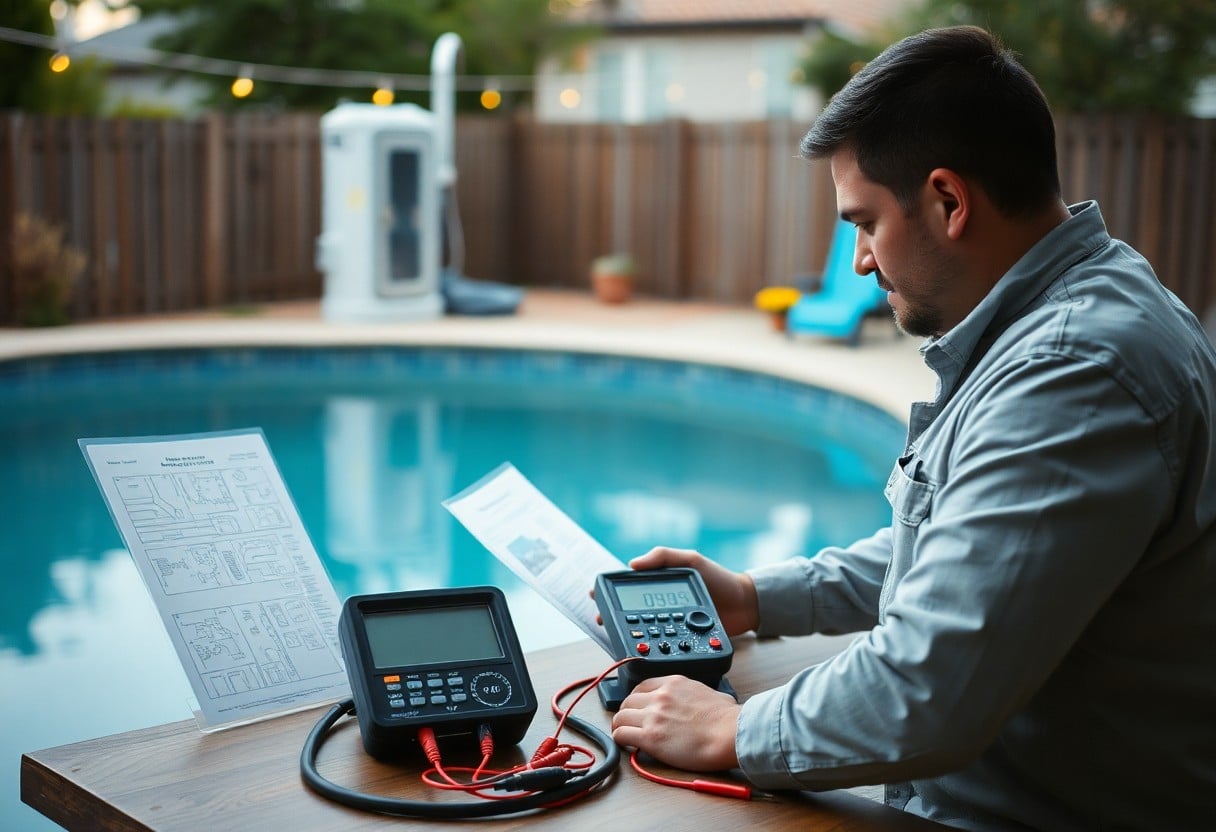
Your pool heater can fail for various reasons ranging from minor issues to significant malfunctions. Understanding some common causes can help you troubleshoot effectively. Regular maintenance is vital, as neglecting it may result in avoidable problems that disrupt your pool enjoyment. Let’s explore some frequent issues that can lead to heater failure.
Electrical Issues
One of the primary reasons pool heaters stop functioning is electrical problems. These can include faulty wiring, blown fuses, or breakers that have tripped. If your heater isn’t powering on, checking the electrical connections is a good first step.
Gas Supply Problems
Gas supply issues can indicate that your heater isn’t receiving the necessary fuel to operate. This could stem from a closed valve, a low gas supply, or issues with the gas line itself. Properly addressing gas supply problems is vital for safety and functionality.
If you suspect gas supply problems, check if the gas valve is fully open and ensure that the gas line is not damaged or obstructed. Inspect for any leaks or irregularities in the gas connection, as these can lead to heating inefficiencies or dangerous situations. It’s advisable to engage a professional if you detect any abnormalities in your gas supply system.
Thermostat Malfunctions
Thermostat malfunctions often lead to improper temperature regulation, causing your heater to operate inefficiently or not at all. If the heater runs continuously without heating the water or shuts off prematurely, the thermostat may need adjustment or replacement.
When dealing with thermostat issues, check that the settings are accurately calibrated. A malfunctioning thermostat can misread the water temperature, preventing the heater from activating when needed. In some cases, the thermostat may require recalibration or replacement to restore proper functionality, ensuring your pool maintains the desired temperature.
Circulation Problems
Poor water circulation can result in inadequate heating of your pool. Blocked pipes, dirty filters, or malfunctioning pumps hinder the flow, affecting the heater’s performance. Ensuring proper circulation is key to maintaining efficient heating capabilities.
Begin troubleshooting your pool heater by diagnosing the issue systematically. Check for power supply problems and gauge the settings for the thermostat. If the heater isn’t responding, it could be an electricity issue or misadjusted settings. For further insights, you can refer to Pool Heater Not Turning On? Emergency Repair Frisco TX.
Check Power and Thermostat Settings
First, ensure your pool heater is plugged in and the circuit breaker hasn’t tripped. After confirming power, check your thermostat settings to see if they are appropriately set for heating. Sometimes the thermostat might inadvertently be set too low, preventing the heater from activating.
Inspect Gas Supply and Valves
An vital step in troubleshooting is checking your gas supply and valves. Confirm that the gas line to your heater is open and free of obstructions. If your heater is powered by gas, any interruption in supply can cause it to stop operating effectively.
Inspect the gas line for any leaks. A visible gas supply issue may require tightening connections or replacing faulty valves. Always ensure safety first; if in doubt, consult a professional. Regular maintenance on gas lines can prevent future disruptions and ensure your heater operates efficiently.
When to Call a Professional
Determining when to seek professional help for your pool heater can prevent further damage and costly repairs. If basic troubleshooting fails and your heater shows signs of unusual noises, inconsistent heating, or error codes, it’s time to call an expert. Ignoring serious issues can lead to bigger problems, so trust your instincts and get a technician involved before the situation worsens.
Signs You Need Expert Help
If your pool heater is experiencing erratic temperatures, leaking water, or tripping circuit breakers consistently, these are clear indicators that you need an HVAC professional. Additionally, strange sounds or odors might signal underlying mechanical failures that require expert intervention. Addressing these issues promptly can save you time and money in the long run.
Choosing the Right HVAC Technician
Selecting the right HVAC technician is important for effective repairs and maintenance of your pool heater. Look for licensed professionals with experience in pool heating systems, and check online reviews or testimonials for insight into their service quality. Obtaining multiple quotes can help you gauge fair pricing and ensure you choose someone who respects your budget and needs.
When evaluating potential HVAC technicians, don’t hesitate to ask about their qualifications and experience with pool heaters specifically. A skilled technician should possess relevant certifications and demonstrate familiarity with various brands and models. Request references from previous clients to gain confidence in their work history. This thorough vetting process can safeguard your investment by ensuring you hire a trustworthy professional equipped to handle your specific situation effectively.
Preventative Maintenance Tips
To avoid unexpected breakdowns of your pool heater, implementing regular preventative maintenance is vital. Adopting a proactive approach can significantly extend the lifespan of your heater and improve its efficiency. Consider these tips:
- Check filters and clean them regularly.
- Inspect electrical connections for signs of corrosion.
- Monitor water chemistry to prevent scale buildup.
- Schedule seasonal inspections with a professional.
Perceiving maintenance as key to performance ensures your pool heater runs smoothly whenever you need it.
Regular Cleaning and Inspections
Routine cleaning and inspections of your pool heater can unveil potential issues before they escalate. Ensure you clean the filter and surrounding area frequently to avoid debris buildup that may hinder performance. Also, check for leaks or signs of wear during your inspections to catch minor problems early on.
Scheduled Maintenance Services
Engaging in scheduled maintenance services is a proactive way to ensure your pool heater functions optimally. A professional can conduct thorough inspections and servicing, addressing any potential issues that you might overlook.
Scheduled maintenance often includes checking the burner, inspecting the heat exchanger, and cleaning any buildup that could hinder performance. Service intervals can vary; however, consider scheduling these checks at least once or twice a year, especially before peak swimming seasons. This strategy not only enhances efficiency but also saves you money in the long run by preventing costly repairs.
Alternative Heating Solutions
When your pool heater fails, exploring alternative heating solutions can provide the warmth you need. Options like solar heaters and heat pumps offer viable methods to maintain comfortable water temperatures without the immediate hassle of repairs. Understanding these alternatives can save you both time and money while still allowing you to enjoy your pool throughout the season.
Solar Heaters
Solar heaters harness the power of the sun to warm your pool water efficiently. These systems employ solar panels installed on your roof or in your yard, which absorb sunlight and transfer heat to the pool water. This eco-friendly option not only reduces energy costs but also has minimal operating expenses, making it a long-term investment that pays off in sunny climates like McKinney.
Heat Pumps
Heat pumps are another efficient solution, as they extract heat from the air and use it to warm your pool. These systems operate well even in cooler weather, making them suitable for year-round use. Their efficiency is represented in their energy factor, which can be up to five times that of traditional heating methods, leading to significant savings on energy bills.
For context, a heat pump can typically raise a pool’s temperature by 1 to 2 degrees Fahrenheit for every hour it runs, depending on ambient conditions and water volume. Choosing the right heat pump involves considering factors such as the size of your pool and the temperature you wish to maintain. Installation costs may vary, but the operational savings often justify the initial investment, proving beneficial for prolonged use in McKinney’s varied climate.
Local Resources in McKinney
Finding local resources in McKinney to address your pool heater issues can streamline the repair process. For expert assistance, explore Pool Heater Repair McKinney, TX, where you can discover qualified professionals ready to help you get your heater back in working order.
Pool Service Companies
Several pool service companies in McKinney specialize in heater repairs and maintenance. Whether you need a quick fix or a complete system overhaul, companies in the area offer a range of services, from diagnostics to full installations. Always check reviews and request quotes to ensure you’re getting the best value.
DIY Resources and Guides
For those who prefer a hands-on approach, ample DIY resources and guides are available online, providing detailed steps for troubleshooting and fixing common pool heater problems. Websites and forums often offer valuable insights into equipment specifics, maintenance routines, and troubleshooting tips tailored to your model.
Engaging with DIY resources can empower you to tackle minor pool heater issues confidently. Videos, articles, and community forums can guide you through the process of diagnosing problems, making small repairs, and performing routine maintenance. With the right information, you may solve some problems yourself and save on service costs.
To wrap up
So, when your pool heater stops working in McKinney, first check the power supply and system settings. If those appear normal, inspect for visible issues or leaks. You should also clean filters and pump to ensure optimal flow. If the problem persists, contacting a professional for a thorough diagnosis and repairs can help restore your pool’s comfort. Prioritize regular maintenance to minimize future breakdowns and ensure your pool is enjoyable year-round.
FAQ
Q: What are the first steps I should take when my pool heater stops functioning in McKinney?
A: Start by checking the power supply to the heater to ensure it’s plugged in and the circuit breaker hasn’t tripped. Next, inspect the thermostat settings to verify they are set correctly. If the heater is gas-powered, check the gas supply for any interruptions.
Q: How can I identify if the problem is with the thermostat?
A: If the pool water is not heating to the desired temperature despite the heater running, the thermostat may be malfunctioning. Test the thermostat by adjusting the temperature setting and observing if the heater responds accordingly. If not, it may need replacement or servicing.
Q: What should I do if the pool heater is making unusual noises?
A: Unusual noises can indicate a mechanical issue. Check for loose components, air bubbles, or debris in the heater. If sounds persist, it’s recommended to have a professional evaluate the heater for potential issues such as pump failure or internal blockages.
Q: Are there common issues specific to pool heaters in McKinney’s climate?
A: Yes, extreme temperature fluctuations can affect heaters. In colder months, ensure the heater has freeze protection. Additionally, check for scaling or sediment buildup due to local water quality, which can inhibit performance.
Q: When is it necessary to contact a professional for pool heater repairs?
A: If troubleshooting does not resolve the issue, or if you identify gas leaks, electrical problems, or persistent abnormal noises, it’s time to call a qualified technician. Regular maintenance is also advisable for long-term reliability.