Our Blog — RMD Pool Service
How do I know if my pool needs repairs in Murphy?
You should inspect your pool for visible cracks, persistent leaks or rapid water loss, cloudy or green water that won’t clear, flaking plaster or loose tiles, and equipment problems like noisy pumps, poor circulation, or rising chemical needs; these signs indicate...

5 Common Pool Pump Problems in Plano and Fixes
Imagine this: It’s a scorching Plano summer day. Your pool sparkles invitingly, but the pump suddenly grinds to a halt. Water sits stagnant, algae threatens to take over, and your backyard oasis turns into a headache. If you’ve faced this frustration, you are not...
What are the most common pool issues in Murphy?
Most pool owners in Murphy face algae blooms, pH and chlorine imbalances, cloudy water, clogged or failing filters, pump and heater malfunctions, and leaks; you can stay ahead by testing and balancing your water weekly, cleaning and backwashing filters regularly,...
Why is my pool filter clogged in Murphy?
Pool Filter Clogged In Murphy Why is my pool filter clogged in Murphy? helps pool owners in Murphy. RMD Pool Service in Allen, TX covers key steps, signs to watch, and when to call a pro. You often find your pool filter clogged in Murphy due to local challenges like...
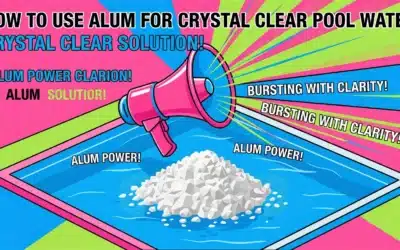
How to Use Alum for Crystal Clear Pool Water
Imagine diving into your backyard pool on a scorching summer day, only to be greeted by murky, cloudy water that dims the sparkle of your oasis. Frustrating, is it not? As a pool owner, you deserve crystal clear water without the hassle of expensive chemicals or...
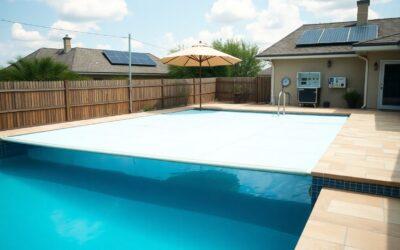
How can I protect my pool during Texas heat waves?
Over scorching Texas summers, you should reduce evaporation and chemical loss by running your pump during cooler hours, using a solar or mesh cover, and adding shade with umbrellas or sails; maintain circulation and filtration, test and adjust chlorine and pH daily,...
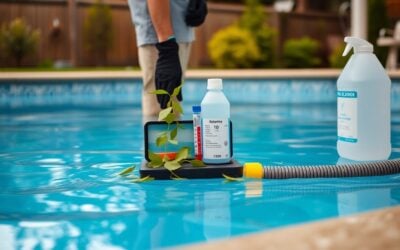
What monthly pool care tasks should homeowners follow?
Most months you should perform a consistent pool-care routine: test and adjust sanitizer, pH, alkalinity and calcium hardness; clean or backwash filters and skimmers; vacuum and brush surfaces; inspect pumps, heaters, and seals for leaks or wear; shock the pool if...
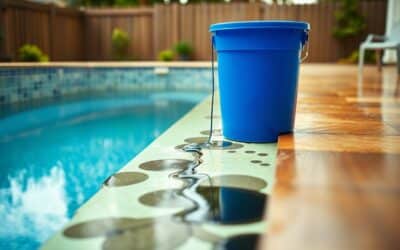
How do I know if my pool has a leak?
Over time you may notice persistent water loss beyond normal evaporation; to determine if your pool has a leak you should monitor water levels daily, inspect visible fittings, lights, skimmers, and plumbing lines, perform a bucket or dye test, and check for wet spots...

2HP Single Speed Pool Pump vs Variable Speed: 2026 Comparison
Imagine this: your pool pump hums away all summer, racking up electricity bills that rival your cooling costs, while new regulations in 2026 demand smarter, greener equipment. Pool owners like you are at a crossroads. Do you stick with the reliable workhorse of pool...
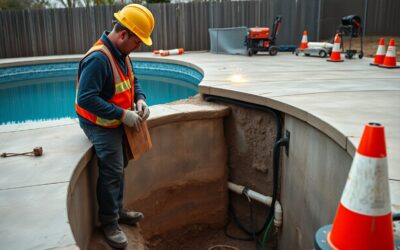
What pool repairs should never be DIY?
You should never attempt structural shell repairs, major plumbing line fixes, gas or electrical work, or extensive replastering on your pool yourself. These jobs require licensed professionals with specialized equipment, permit knowledge, and diagnostic tools to...
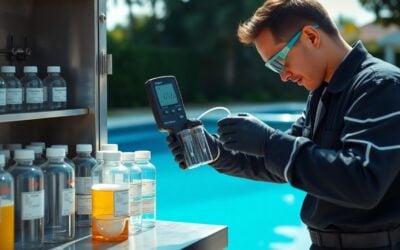
Why is professional chemical balancing safer than doing it yourself?
Professional chemical balancing is safer because trained technicians use calibrated test equipment, understand chemical interactions, handle acids and shock properly, and avoid dangerous mixing mistakes that cause burns, surface damage, or respiratory irritation....
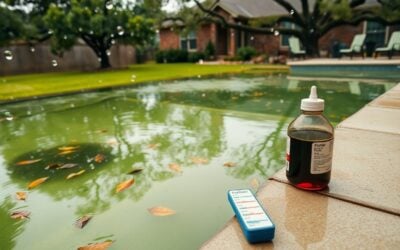
How does weather affect pool water quality in North Texas?
North Texas weather affects pool water through UV-driven chlorine loss, rain dilution and pH swings, wind-blown debris, and freeze risk in winter. Plan for heavier chemical adjustments after storms, increased skimming during pollen season, and equipment protection...

How to Repair Pool Filter Leaks Step by Step
Picture this: you glance at your pool one morning and notice water levels dropping faster than usual. Your water bill spikes, and you realize a sneaky pool filter leak is draining your wallet and your summer fun. Do not worry. These leaks are common in backyard pools,...

How do I prepare my pool for freezing temperatures in Texas?
Just follow targeted winterizing steps to protect your pool when temperatures drop: lower the water level below the skimmer, thoroughly balance and sanitize chemicals, run the pump to circulate treated water, blow out and plug lines or add pool antifreeze to plumbing,...
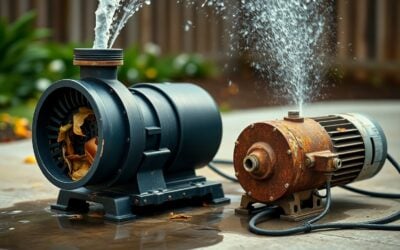
Why is my pool pump making loud noises?
With a noisy pool pump, you should diagnose the source promptly to prevent damage and restore efficient circulation. You may be facing issues like worn bearings, cavitation from low water flow, loose fittings, or debris in the impeller; each produces distinctive...
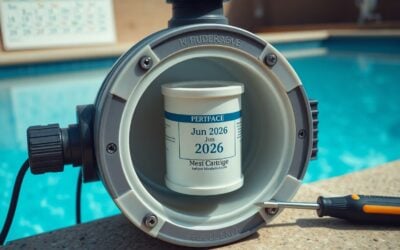
How often should I replace my pool filter?
filter replacement frequency depends on filter type, pool usage, and environment; you should expect cartridge filters to last 1-3 years, DE grids 3-5 years with proper maintenance, and sand filters 5-10 years, but monitor pressure rises, reduced flow, and visible wear...

Step-by-Step Pool Winterization Checklist for North Texas
As the crisp fall air sweeps across North Texas, your sparkling summer pool suddenly faces its toughest challenge yet: winter’s unpredictable chills. One hard freeze can crack pipes, damage liners, or turn your backyard oasis into an expensive repair nightmare. If...
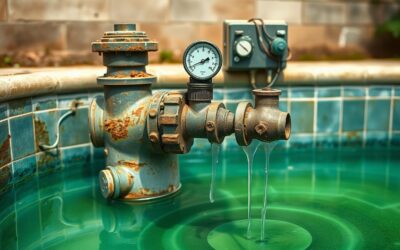
What are the warning signs of pool equipment failure?
With unusual noises from your pump, fluctuating pressure readings, visible leaks, persistent cloudiness, or sudden chemical imbalance, you should investigate immediately; these often indicate failing pumps, filters, heaters, or valves. You may also notice decreased...
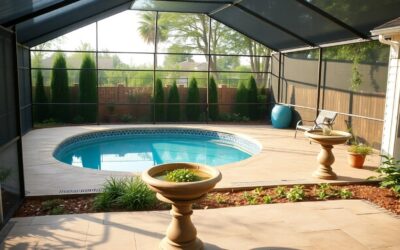
How do I prevent mosquitoes around my pool area?
pool maintenance and habitat reduction should be your priority: you should keep water circulating, remove standing water from planters and drains, maintain proper chlorine and filtration, install screens or fans, consider larvicides in stagnant features and introduce...
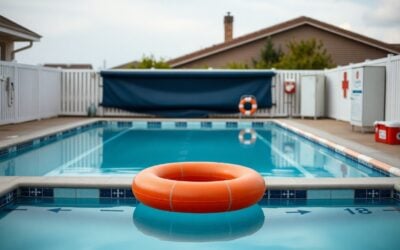
What steps keep my pool safe during family gatherings?
Pool safety begins with planning and active supervision: you should designate a water watcher, secure fences and self-closing gates, keep lifesaving equipment and a charged phone nearby, maintain proper chemical balance and anti-entrapment covers, clear toys and...
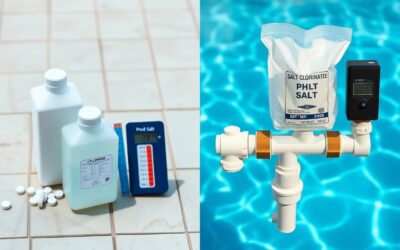
How do I choose between chlorine and salt systems?
Choose a traditional chlorine pool for lower upfront cost and simple seasonal control, or a salt chlorine generator for steadier sanitizer output and softer-feeling water with less manual dosing. North Texas hard water and high UV exposure affect both systems — salt...
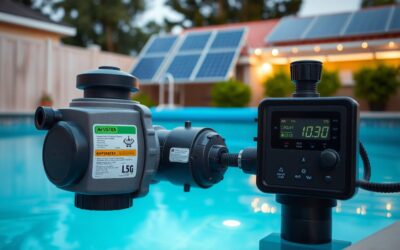
How can I improve energy efficiency for my pool equipment?
efficiency starts with assessing your system and taking targeted steps: optimize pump runtime and switch to a variable-speed unit, maintain and backwash filters regularly, insulate pipes and heater lines, install a programmable timer or automation to run equipment...
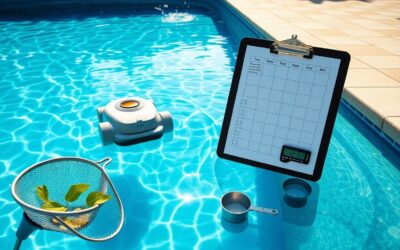
What are the top benefits of weekly pool cleaning?
Most weekly pool cleaning protects water quality, reduces chemical usage, and prevents algae and equipment damage, giving you clearer, safer swimming and lower long-term maintenance costs; consistent skimming, brushing, and filtration checks keep your water balanced,...
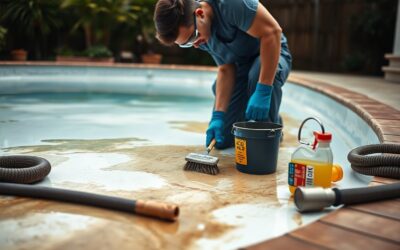
How do I remove stains from my pool plaster?
There’s a straightforward process you can use to remove stains from your pool plaster: assess the stain type, test mild acid or specialized stain removers in a small area, scrub with a nylon brush, and follow with proper pH and chlorine balance to prevent recurrence;...