Our Blog — RMD Pool Service
How do I know if my pool needs repairs in Murphy?
pool problems become apparent when you notice visible cracks, persistent leaks, rapidly falling water levels, cloudy or discolored water, stubborn stains, or recurring chemical imbalances; if you experience strange noises from your pump, reduced circulation, or...
What are the most common pool issues in Murphy?
Many pool owners in Murphy face recurring problems like algae growth, chemical imbalance, cloudy water, equipment wear, and leaks, and you should know how local climate and hard water affect your maintenance needs; this guide explains common symptoms, likely causes,...
How can I keep my pool energy-efficient in Murphy?
You can keep your Murphy pool energy-efficient by focusing on pump efficiency, circulation scheduling, and heat management. Install a variable-speed pump with a programmable timer, switch to LED pool lighting, use a well-fitted solar or thermal cover to cut heat loss,...

Why does my pool have a strong chemical smell?
Chemical odors in your pool usually indicate chloramines-byproducts formed when chlorine reacts with sweat, urine, and other contaminants; you should test free and combined chlorine, pH, and total alkalinity to pinpoint the issue. Address low free chlorine by...
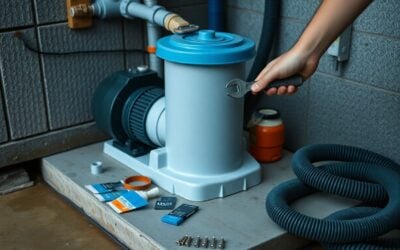
How can I extend the life of my pool equipment?
Pool equipment lasts longer when you follow a consistent care routine: clean and backwash filters, maintain balanced water chemistry, lubricate your O-rings and valves, and inspect pumps, heaters, and chlorinators for leaks or wear. Winterize systems, protect outdoor...

What is the best frequency for professional pool service?
Most North Texas residential pools need weekly professional service during swim season to keep water balanced, filters clean, and equipment running reliably. Heavy use, tree cover, or summer heat in Allen, Plano, and McKinney may require twice-weekly visits; low-use...
How do I get rid of foam in my pool?
Most pool foam results from organic contaminants and imbalanced water; you should first skim debris, test and adjust pH and alkalinity, and backwash or clean your filter. Use an enzyme product to break down oils, apply a concentrated defoamer for immediate removal,...
Why is my pool’s chlorine demand so high?
demand for chlorine spikes when organic matter, sunlight, pH imbalance, or combined chlorine (chloramines) consume free chlorine faster than you add it; understanding how debris, swimmer load, and inconsistent sanitiser dosing increase demand helps you target shock...
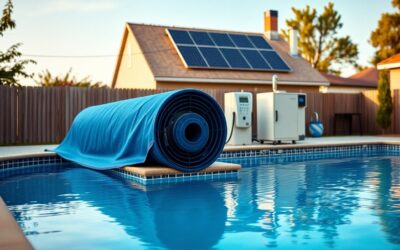
How can I make my pool more energy-efficient?
You can reduce your pool’s energy costs by switching to a variable-speed pump and smart controls, installing a full-cover solar blanket, upgrading to LED pool lighting, optimizing filtration run times and backwash schedules, lowering heater setpoints and adding...
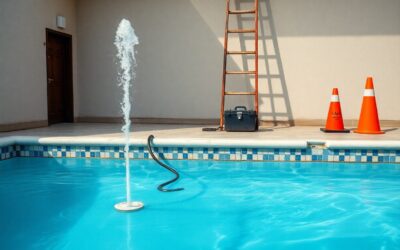
What pool repairs should be done immediately?
With visible leaks, damaged pumps or heaters, faulty electrical components, or broken safety features, you must act immediately to protect your pool, property, and swimmers; prioritize sealing leaks, restoring proper circulation and filtration, fixing wiring or...

How do I prevent my pool filter from clogging?
pool maintenance to prevent filter clogs begins with a consistent routine: skim and vacuum debris, clean skimmer and pump baskets, backwash or clean cartridges per manufacturer instructions, and keep water chemistry balanced to limit organic buildup. You should run...
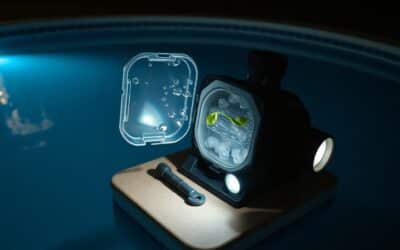
Why is my pool pump loud at night?
pump noise at night often seems louder because ambient sounds fall, making your pump’s mechanical issues-worn bearings, loose mounts, cavitation from a clogged or partially closed suction, air leaks, or imbalanced impellers-more audible; electrical problems, high flow...
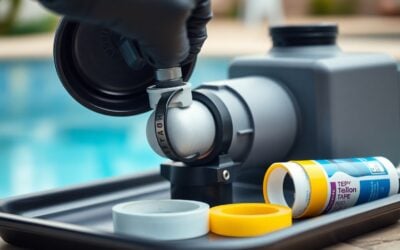
How do I fix air leaks in my pool pump?
You should diagnose and fix air leaks in your pool pump by inspecting the pump lid O-ring, loose unions, suction-side fittings, and the skimmer basket for cracks; tighten or replace worn seals, lubricate the O-ring with silicone grease, and ensure all connections are...
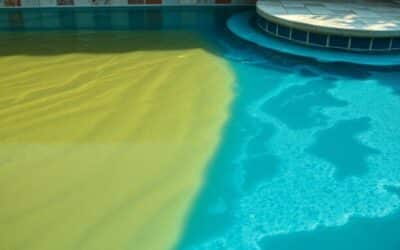
What causes cloudy water in saltwater pools?
What Causes Cloudy Water In is essential for North Texas pool owners. RMD Pool Service in Allen, TX explains what causes cloudy water in and what you should know. water in your saltwater pool can turn cloudy when particles, algae, or imbalanced chemistry overwhelm...

How do I maintain perfect pH levels?
Maintain perfect pool pH by keeping levels between 7.2 and 7.6, testing 2–3 times per week in summer, adjusting total alkalinity first (80–120 ppm), and adding muriatic acid or soda ash in small doses. North Texas fill water and heat swings push pH upward — consistent...
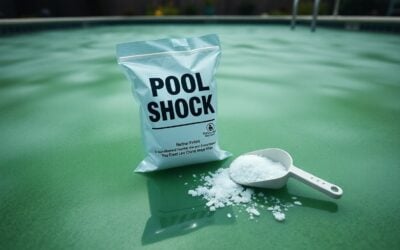
Why does my pool shock not work sometimes?
Many times your pool shock can fail to raise sanitizer levels or clear algae because dosing, water chemistry, temperature, and product age interfere with effectiveness; if you add shock to cloudy or chlorinated water, use the wrong type, apply it in direct sun, or the...

How do I eliminate debris quickly after storms?
Most storm recovery depends on swift, safe action: you should first assess hazards, put on protective gear, clear gutters and drains, and remove small debris to open access routes. Sort piles into branches, recyclables, and hazardous materials; cut large limbs into...

What is the best way to sanitize a pool naturally?
The best natural ways to sanitize a pool combine UV or ozone oxidation, mineral systems, proper filtration, and a low residual chlorine level (0.5–1 ppm) for ongoing protection. North Texas sun and heat still require some sanitizer residual — fully chlorine-free pools...
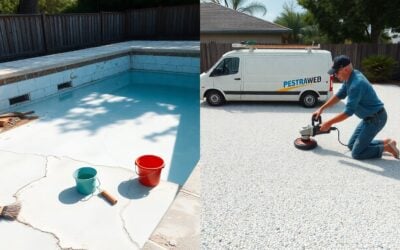
How do I know if my pool needs resurfacing?
Over time you may see scaling, discoloration, rough or pitted surfaces, frequent staining, or plaster coming away at the waterline; inspect your pool for cracks, loose tiles, persistent algae despite proper chemistry, or declining water clarity and increased...

Why is my automatic pool cleaner stuck or slow?
pool issues with an automatic cleaner are often caused by blocked hoses, clogged filters, low pump pressure, worn parts, or improper weight balance; inspect your skimmer and pump basket, check hose connections and flow, clean or replace filters, and examine brushes...

How do I pick the right pool maintenance plan in Plano?
With clear criteria, you can choose a Plano pool maintenance plan by evaluating your pool’s size, usage, equipment age, and local water conditions. Decide what services you need-basic cleaning, chemical balance, repairs-and compare certifications, response times,...
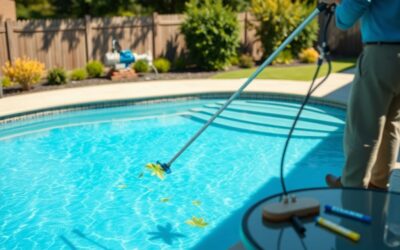
Why is pool cleaning important during Plano summers?
With Plano’s long, hot summers and heavy pool use, you need regular pool cleaning to prevent algae blooms, bacterial growth, and chemical imbalances that make your water unsafe and unappealing; routine maintenance preserves equipment, reduces costly repairs, improves...
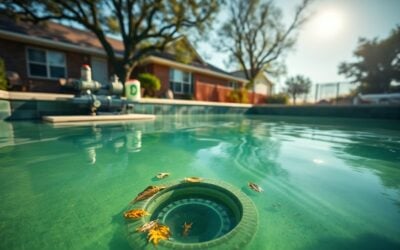
What causes cloudy pool water in Plano?
Over time, your pool water in Plano can become cloudy from imbalanced chemicals, inadequate filtration, high bather load, or algae growth; hard local water and heavy rains often worsen the problem. You should test and adjust pH, alkalinity, and sanitizer levels, clean...
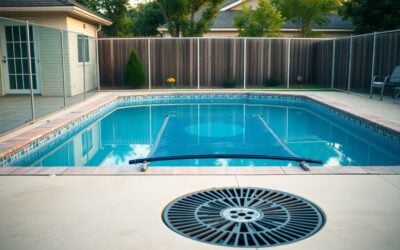
How do I keep my pool safe for kids in Plano?
With careful planning and layered protections, you can keep your pool in Plano safe for kids by installing four-sided fencing with self-closing, self-latching gates, using pool alarms and safety covers, maintaining clear, chemically balanced water, enforcing constant...