Our Blog — RMD Pool Service
Backwashing a Pool DE Filter – When, Why & How?
With the right maintenance, your pool’s DE filter can keep your water sparkling clean and safe for swimming. Knowing when and why to backwash your filter is imperative for its optimal performance and longevity. In this article, you’ll learn the indicators that signal...
Why is My Swimming Pool Filter Pressure so High?
Pressure in your swimming pool filter system can indicate several underlying issues that may need attention. If you notice that the pressure gauge is reading higher than normal, it’s important to understand the potential causes. This post will guide you through the...

How can I Keep Ducks Away from my Swimming Pool?
Most people love the sight of ducks waddling by, but when they invade your swimming pool, it can lead to unwanted mess and health concerns. If you’re looking for effective strategies to keep these feathered friends at bay, you’ve come to the right place. In this...
How to “fix” Cloudy Green Pool Water
Water clarity is key to enjoying your pool, and cloudy green water can turn a refreshing oasis into an unsightly mess. If you find yourself staring at murky water instead of a crystal-clear pool, you can take actionable steps to restore its beauty. In this guide,...
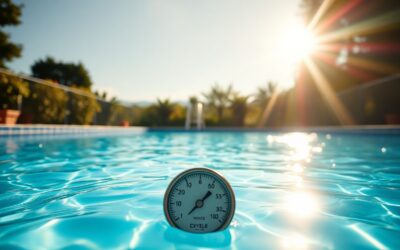
The Affect of UV Rays on your Pool’s Chlorine
UV rays break down pool chlorine through photolysis, reducing free chlorine by up to 90% within hours in full sun. North Texas pools without stabilizer (CYA) lose sanitizer fastest — maintain CYA at 30–50 ppm and consider a solar cover to cut UV loss by 30–50%. RMD...

How to Winterize a Pool – Texas Edition
Many pool owners in Texas face the challenge of winterizing their pools to protect them from harsh weather and temperature fluctuations. In this guide, you will learn the necessary steps to properly winterize your pool, ensuring it remains in good condition until the...
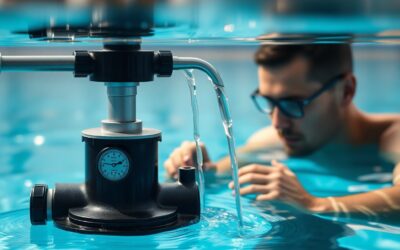
How exactly would I know if my Pool Filter is Working?
There’s a good chance you rely on your pool filter to keep your swimming area clean and safe. Understanding how to determine if your filter is functioning properly can save you time and money while ensuring your pool stays in top condition. In this post, you’ll learn...

Understanding Salt Water Pools and Cold Water Temperatures
Over the years, you may have heard about the benefits of salt water pools, but how do they truly perform during colder temperatures? Understanding the relationship between salt water systems and cool weather is important for maintaining a healthy, sparkling pool...

What does rain do to swimming pool water?
Rain can significantly impact your swimming pool water, affecting its chemistry and overall quality. When precipitation enters your pool, it can dilute your carefully balanced water, altering pH levels and introducing contaminants such as dirt, leaves, and other...
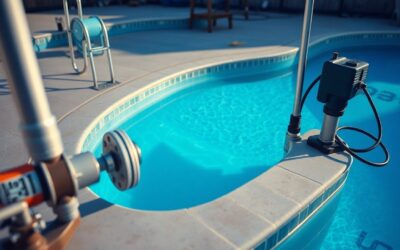
How Does a Saltwater Pool System Work?
A saltwater pool system uses a salt chlorine generator (salt cell) to convert dissolved salt (2,500–3,500 ppm) into free chlorine through electrolysis as water passes through the cell. The chlorine sanitizes the pool, then reverts so salt can be reused — producing...
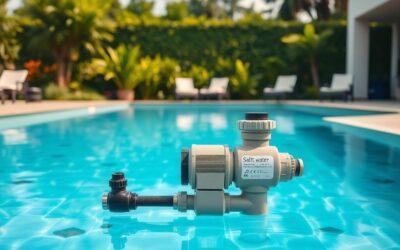
The Trade-offs of using a Swimming Pool Saltwater System
Saltwater pool systems generate chlorine through electrolysis, offering softer-feeling water and less manual chemical handling — but they cost more upfront and require cell maintenance in North Texas hard water. Pros include steady sanitizer output and lower tablet...

Is saltwater from my pool damaging my deck and coping?
With the increasing popularity of saltwater pools, you may be wondering whether the saltwater could be harming your deck and coping. Saltwater systems offer a more natural swimming experience, but they can also cause degradation if not properly managed. In this post,...