Over time, you may have noticed that maintaining clear and healthy water in your McKinney pool hinges on proper circulation. Effective water movement ensures even distribution of chemicals, prevents algae growth, and promotes a balanced ecosystem, making your pool not only inviting but also safe for family and friends. Understanding the significance of water circulation can help you enhance your pool experience and extend its lifespan, ultimately saving you time and money on maintenance.
Key Takeaways:
- Enhances water clarity by reducing algae and debris buildup.
- Maintains balanced chemical levels, improving water quality.
- Provides uniform temperature throughout the pool, ensuring comfort.
- Extends the lifespan of pool equipment by preventing contaminants.
- Reduces the likelihood of pool-related health issues through better sanitation.
The Importance of Water Circulation
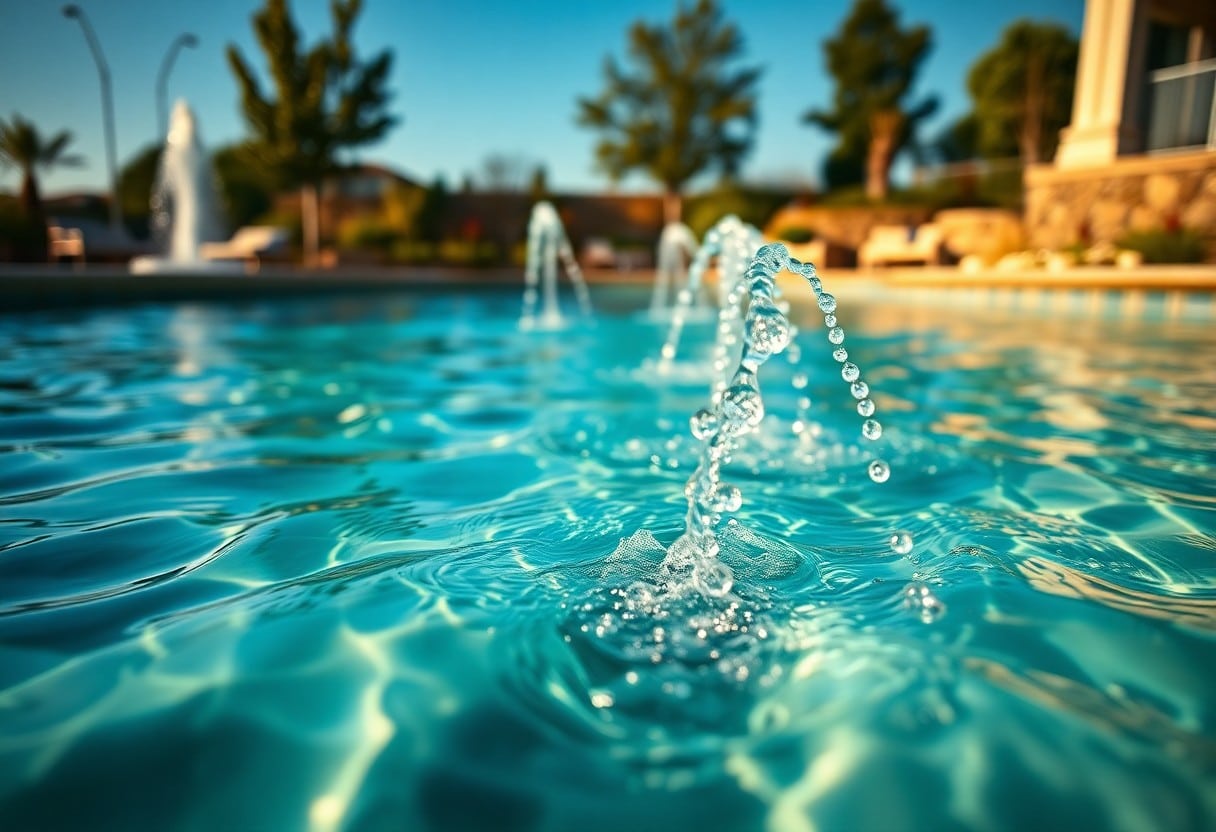
Effective water circulation is vital for the health of your McKinney pool. It ensures that chemicals are evenly distributed, filtering out debris and preventing stagnant areas that can harbor algae. When water moves consistently, it promotes balance in water chemistry, reducing the need for excessive chemical treatment. This balanced scenario results in clearer, safer water, making your swimming experience more enjoyable and less worrisome.
Health Benefits
Your pool’s water quality significantly impacts your health. Proper circulation minimizes the risk of bacteria and algae growth, contributing to a safer swimming environment. Regular movement prevents localized contamination, helping to maintain the water’s integrity and reducing the chances of skin irritations or illnesses that can arise from swimming in stagnant or poorly circulated water.
Aesthetic Appeal
A well-circulated pool enhances not only the clarity of the water but also its attractiveness. Clear water reflects sunlight beautifully, creating an inviting environment for you and your guests. When water is consistently moving, it maintains a fresh appearance, minimizing unsightly debris that can accumulate along the edges. In turn, this makes your pool the focal point of your outdoor space, elevating your yard’s overall aesthetic charm.
When your pool boasts crystal-clear water, its visual presentation improves dramatically, transforming it into a stunning centerpiece for your backyard. Guests are naturally drawn to a vibrant pool, encouraging enjoyable gatherings and outdoor activities. Consistent water circulation also assists in maintaining the flashy blue hue that pools are known for, allowing you to enjoy an appealing view from various angles in your yard. Regular upkeep not only heightens the appeal but also reflects your commitment to pool maintenance and quality leisure time.
Components of Proper Circulation
Understanding the components of water circulation helps ensure your McKinney pool remains clean and inviting. Key elements include pumps, filters, and a well-designed plumbing system, all of which work collaboratively to move water efficiently throughout your pool. By optimizing these components, you can enhance your pool’s overall performance and longevity.
Pumps
Pumps act as the heart of your pool’s circulation system, moving water from the pool to the filter and back again. Choosing the right pump size for your pool is crucial; typically, a pump should complete a full circulation cycle within 8 to 12 hours, ensuring water is consistently filtered and treated.
Filters
Filters play a vital role in maintaining clean water by removing debris, dirt, and contaminants. The type of filter you select-be it sand, cartridge, or diatomaceous earth-directly affects the clarity and quality of your pool water. Regular maintenance and timely replacement of filter media can significantly enhance performance.
For example, sand filters are popular for their ease of use and effectiveness, usually requiring replacement every 5 to 7 years. On the other hand, cartridge filters provide fine filtration and can last up to 3 years with proper cleaning. Diatomaceous earth filters offer the highest level of filtration but require more maintenance. Based on your pool size and usage, adapting your filtration choice can lead to optimal water quality, ensuring you can enjoy your pool all season long.
Common Issues with Water Circulation
Several common issues can arise from insufficient water circulation in your pool. These problems not only compromise the aesthetics of your pool but can also lead to more significant maintenance challenges. For further insights, check out Why is Swimming Pool Circulation Important?
Stagnation
Stagnation occurs when water does not circulate effectively, leading to areas of still water in your pool. These stagnant sections can become breeding grounds for bacteria and debris, making it challenging to maintain a clean swimming environment.
Algae Growth
Inadequate circulation can promote algae growth in your pool. When water isn’t properly moved, certain areas can become nutrient-rich, allowing algae to thrive, which can turn your pool green and slimy.
Even small-scale algae outbreaks can disrupt your swimming experience and require significant effort to resolve. Regular circulation helps prevent nutrient accumulation and dilutes chlorine, ensuring sufficient sanitation. Establishing a robust circulation system to maintain consistent water movement can thwart algae blooms, reducing the need for harsh chemicals and keeping your pool inviting and ready for use. Regular monitoring and maintaining your circulation equipment can help you stay ahead of these algae issues.
Maintenance Tips for Optimal Circulation
Ensuring optimal water circulation requires consistent maintenance practices to keep your McKinney pool in top condition. Focus on these key tips:
- Regularly check and clean your pool’s filters.
- Run the pool pump for a minimum of 8-12 hours daily.
- Inspect and adjust the return jets for even water distribution.
- Monitor water levels frequently.
The right maintenance regimen will enhance your pool’s water quality.
Regular Cleaning
Incorporating regular cleaning into your routine is important for maintaining effective water circulation. Debris such as leaves and dirt can accumulate in your pool, blocking filters and reducing flow rates. Scheduling weekly cleanings, including skimming and vacuuming, prevents obstructions and promotes a healthy swim environment.
Balancing Chemicals
Proper chemical balance is necessary for optimal circulation. Maintaining appropriate pH, alkalinity, and chlorine levels not only keeps the water sanitized but also aids in effective circulation. If chemicals are out of balance, it can lead to cloudiness, algae growth, and hinder your pool system’s performance.
For instance, ideal pH levels fall between 7.4 and 7.6, promoting both swimmer comfort and longevity of your pool equipment. Keeping alkalinity in check (between 80-120 ppm) ensures pH stability. Regularly test your water chemistry with a reliable kit or send samples to a pool professional. Adjustments can then be made as necessary, fostering a cleaner, healthier swimming experience while facilitating better water flow throughout your pool system.
Impact of Climate on Water Circulation
Your pool’s water circulation is significantly influenced by climate. In warmer regions, high temperatures can increase algae growth, making consistent circulation vital for maintaining cleanliness and clarity. Conversely, colder climates may slow circulation systems, but stagnant water can pose risk for freezing. Adapting your filtration and circulation practices to local climate conditions is vital to ensure your pool remains healthy year-round. For more information, refer to The Importance of Water Circulation in Maintaining a ….
Seasonal Variations
Weather Considerations
Expert Solutions for Circulation Problems
Addressing circulation issues requires targeted solutions that enhance water flow and quality. Engaging with professionals can reveal underlying problems, ensuring your McKinney pool operates efficiently. Solutions may include equipment upgrades, regular assessments, and strategic adjustments to your pool’s layout or chemistry to maximize circulation effectiveness.
Professional Assessments
Conducting professional assessments allows you to pinpoint specific circulation issues affecting your pool. Experts can evaluate pump performance, filter efficiency, and water movement throughout the system. This comprehensive analysis leads to tailored recommendations, helping you achieve optimal water circulation and crystal-clear waters.
Upgrading Equipment
Upgrading equipment can significantly enhance your pool’s water circulation. Modern pumps and filters are designed to work more efficiently, moving water swiftly and effectively. Investing in variable-speed pumps can save energy costs while providing customizable flow rates tailored to your swimming schedule.
Upgrading to a variable-speed pump can reduce energy use by up to 80% compared to traditional single-speed pumps. These systems allow you to adjust the flow rate, optimizing circulation during peak use times or when you’re performing maintenance. Additionally, high-efficiency filters contribute to better water clarity and cleaner surfaces, ensuring a healthier swimming environment. By implementing these upgrades, you not only improve your pool’s circulation but also enhance the overall experience of swimming in your McKinney pool.
Summing up
So, ensuring proper water circulation in your McKinney pool significantly enhances water quality, prevents algae growth, and maintains balanced chemical levels. By effectively circulating water, you provide a healthier environment for swimmers and prolong the life of your pool equipment. You can enjoy a cleaner, more inviting pool while reducing potential repair costs and improving overall maintenance efficiency. Prioritize circulation in your pool care routine to achieve the best results for your aquatic space.
FAQ
Q: What are the benefits of proper water circulation in McKinney pools?
A: Proper water circulation keeps the pool water clear, prevents algae growth, and maintains balanced chemical levels. It ensures that sanitizer is evenly distributed throughout the pool, safeguarding the health of swimmers.
Q: How does water circulation affect pool maintenance?
A: Good circulation reduces the amount of debris that settles at the bottom, making it easier to maintain cleanliness. It minimizes the need for extensive vacuuming and chemical treatments, streamlining overall maintenance tasks.
Q: What are the signs of poor water circulation in a pool?
A: Signs include cloudy water, the presence of algae, uneven water temperature, and debris accumulation. If water is not circulating effectively, these issues can arise, indicating a need for system evaluation and adjustment.
Q: How can I improve the circulation in my McKinney pool?
A: You can enhance circulation by ensuring that all pool equipment, such as pumps and filters, are working efficiently. Adjusting return jets for optimal water flow and regularly cleaning skimmers and filters also aids in improving circulation.
Q: Is water circulation affected by the pool shape or size?
A: Yes, the shape and size of the pool can impact water circulation. Irregular shapes may have dead spots where water does not flow effectively, requiring proper placement of pumps and return jets to ensure even movement throughout the pool.