Over time, maintaining proper chemical levels in your Frisco pool is vital for its health and longevity. You should check chemical levels at least once a week during peak swimming season, while more frequent checks may be necessary during heavy use or after heavy rainfall. Regular monitoring ensures safe water conditions and optimal swimming experience for you and your family. By staying proactive, you can prevent potential issues and keep your pool sparkling clean.
Key Takeaways:
- Test chlorine and pH levels at least twice a week during peak swimming season.
- Check alkalinity, calcium hardness, and stabilizer levels monthly.
- After heavy rainfall or storms, test chemical levels promptly.
- Use test strips or liquid kits for accurate measurements.
- Regular maintenance prevents imbalance and promotes water clarity.
Importance of Chemical Testing
Regular chemical testing in your pool is crucial for maintaining a safe and enjoyable swimming environment. Accurate levels of pH, chlorine, and alkalinity prevent issues like algae growth, skin irritations, and respiratory problems. By checking these chemicals consistently, you safeguard not only your pool’s longevity but also ensure a pleasant swimming experience for you and your guests.
Health and Safety Considerations
Ensuring proper chemical balance is vital for health and safety. Low chlorine levels can lead to waterborne bacteria, risking skin rashes and gastrointestinal illnesses. Conversely, overly high chlorine levels can cause eye irritation and respiratory discomfort. Regular testing helps you strike the perfect balance, keeping your pool healthy for everyone.
Maintaining Water Clarity
Clear water enhances the beauty of your pool and promotes an inviting atmosphere. Testing chemical levels helps prevent cloudiness caused by improper balance. Algae growth or debris buildup can obscure visibility, making the water appear uninviting. Consistent monitoring leads to optimal clarity, ensuring your pool looks pristine.
To achieve optimal water clarity, you should routinely check the concentration of sanitizers and adjust the chemical balance as necessary. For instance, maintaining a chlorine level between 1-3 ppm helps keep the water clear and safe. If you notice hazy water, shock treatment may be required, emphasizing the importance of regular testing. Visual inspections alongside chemical checks will ensure your pool remains a sparkling centerpiece in your backyard.
Recommended Testing Frequency
You should test your pool’s chemical levels regularly to ensure it remains safe and balanced. Most pool owners find that testing at least twice a week during peak swimming season is effective. If you’re curious about how often do pool owners test their chemistry using taylor tests, you can find insights in this post.
Regular Weekly Checks
Seasonal Adjustments
Essential Chemical Levels to Monitor
To ensure your pool remains safe and clean, there are key chemical levels you need to monitor regularly. Critical areas include pH, chlorine concentration, alkalinity, calcium hardness, and stabilizer levels. Regular testing helps prevent issues such as algae growth and skin irritations. For more insights on testing frequency, check out How Often Should I Get Professional Pool Water Testing?.
pH Level
The pH level indicates the acidity or alkalinity of your pool water. Ideally, it should range between 7.2 and 7.8. If the pH is too low, it can cause irritation to the skin and eyes, while a high pH can reduce chlorine’s effectiveness in sanitizing the water. Regularly testing pH helps maintain swimmer comfort and optimal chemical balance.
Chlorine Concentration
Chlorine concentration is vital for disinfecting your pool water. The recommended level forms a protective barrier against harmful bacteria and algae. Ideally, maintain chlorine levels between 1 and 3 parts per million (ppm) for effective sanitation. Regular testing allows you to adjust chlorine levels appropriately, ensuring a safe swimming environment.
A chlorine level below 1 ppm may expose you to infectious agents, while levels above 3 ppm can lead to skin irritation and a strong chemical smell. Testing your chlorine concentration at least twice a week, especially during peak swimming season, guarantees that your pool stays clean and safe for enjoyment. Proper balancing of chlorine will also enhance the effectiveness of other chemicals in your water treatment regimen.
Tools and Kits for Testing
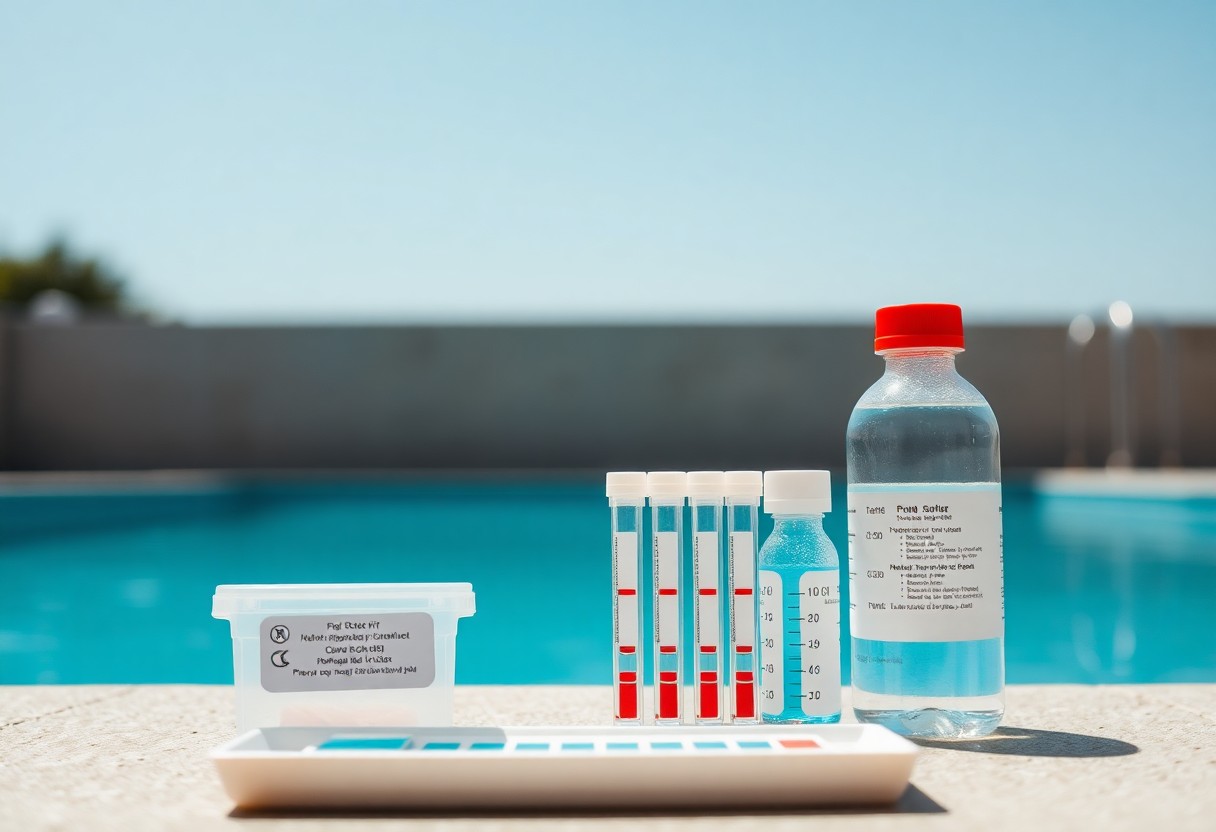
For effective pool maintenance in Frisco, investing in reliable tools and kits for testing chemical levels is necessary. Various options are available, from simple test strips to advanced liquid kits, each offering unique benefits. Regular testing ensures your pool remains safe and enjoyable, safeguarding against harmful bacteria and imbalanced pH levels. Choose a method that suits your routine and comfort level to maintain optimal water quality.
Test Strips vs. Liquid Kits
Test strips provide a quick and convenient way to gauge chemical levels, typically offering results within minutes. They’re user-friendly, becoming a popular choice for casual pool owners. Liquid kits, while requiring more effort to use, often deliver more precise readings, making them suitable for serious pool enthusiasts. Consider your level of commitment and need for accuracy when selecting between these options.
Automated Testing Systems
Automated testing systems streamline pool maintenance by continuously monitoring chemical levels and providing real-time data. These systems connect to your pool’s filtration system and automate adjustments, saving you time and reducing manual testing. Ideal for larger or more complex pools, they can significantly enhance the convenience of maintaining water quality.
Automated testing systems have become increasingly sophisticated, employing technology that can send alerts to your phone or integrated home system when chemical levels fluctuate. Many systems are capable of integrating with smart home devices, allowing for seamless adjustments and scheduling. Over time, using these systems can reduce chemical costs and minimize the risk of imbalance through consistent monitoring, making pool care easier than ever.
Interpreting Test Results
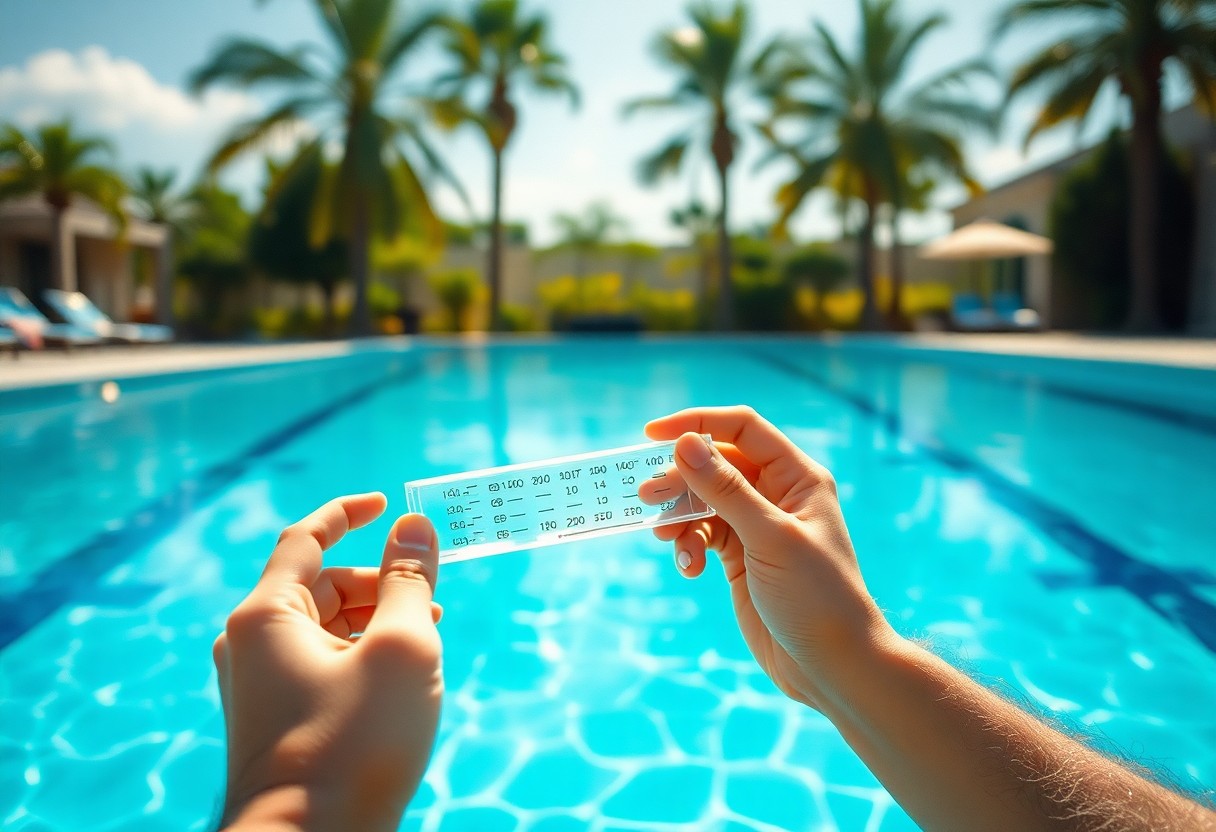
Once you’ve gathered your pool chemical test results, accurately interpreting them is imperative for maintaining water quality. You’ll want to compare your readings against ideal ranges: pH should be between 7.2 and 7.6, with chlorine levels ideally around 1 to 3 ppm. Evaluating these figures helps you understand what adjustments might be necessary to keep your pool safe and enjoyable.
Understanding Chemical Balance
Maintaining chemical balance in your pool means keeping pH, alkalinity, and chlorine levels within specified limits. A balanced pool reduces the likelihood of algae growth and prevents skin irritation. When pH is too high or low, it can affect chlorine efficiency and lead to cloudy water, so regular monitoring is vital for optimal conditions.
Adjusting Chemical Levels
Adjusting chemical levels in your Frisco pool can involve adding substances like pH increasers or decreasers, alkalinity buffs, or chlorine. Start with small increments to avoid overshooting your target. After adjustments, test the water again after several hours to ensure levels are within the desired range before swimming.
When adjusting chemical levels, consider your pool size and current readings. For example, if your pH is low at 7.0, adding sodium bicarbonate can elevate it. If the chlorine registers at 0.5 ppm, it’s advisable to add a chlorine shock treatment to raise it to an appropriate level. Always follow the manufacturer’s instructions for dosage, and recheck the levels after a few hours to confirm stability. Maintaining consistent chemical balance not only enhances the swimming experience but also extends the life of your pool equipment.
Final Words
Following this, it is advisable to check the chemical levels in your Frisco pool at least once a week during the swimming season. Regular testing ensures your water remains balanced and safe for swimmers. Additionally, after heavy usage or significant weather changes, you should run tests to maintain optimal conditions. Adapting your schedule based on these factors can help you keep your pool in top shape throughout the year.
FAQ
Q: How often should I check the chlorine levels in my Frisco pool?
A: Chlorine levels should be checked at least twice a week during the swimming season to ensure effective sanitation and water clarity.
Q: When is the best time to test chemical levels in my pool?
A: Testing is most effective in the early morning or late evening when sunlight is minimal, as sunlight can affect chemical readings.
Q: Do I need to check the pH levels as often as chlorine levels?
A: Yes, pH levels should be tested at least twice a week, alongside chlorine levels, to maintain balanced water chemistry.
Q: How often should I adjust chemical levels based on my testing?
A: Adjustments should be made immediately after testing, especially if chemical levels are outside the recommended ranges. It’s important to retest after any adjustments.
Q: Are there specific weather conditions that require more frequent testing?
A: Yes, after heavy rain or storms, increased debris or organic matter may necessitate more frequent testing, ideally checking chemical levels daily until stabilized.