pool pump leaks in Plano are common but manageable; you can stop them by systematically diagnosing the source-lid O-ring, shaft seal, unions, or housing cracks-performing targeted repairs or part replacements, clearing debris, and scheduling regular inspections to protect your equipment and water quality.
Key Takeaways:
- Shut off power and drain the pump, then inspect the lid O‑ring, strainer basket, drain plugs and unions for cracks, debris or misalignment.
- Replace worn O‑rings and the mechanical shaft seal – leaks between the wet end and motor almost always mean a bad mechanical seal.
- Tighten or replace leaking unions and threaded fittings; reapply Teflon tape on threads and use proper PVC primer/solvent on glued joints.
- Check the pump housing and volute for cracks and ensure the pump sits level with motor bolts tight; replace the housing or pump if cracked or warped.
- If leaks persist or you’re not comfortable disassembling the pump, hire a qualified Plano pool technician to service or replace the wet end/motor.
Understanding Pool Pump Leaks
Common Causes of Pool Pump Leaks
Wear on the mechanical (shaft) seal, degraded O-rings, loose unions, cracked pump housing, and corroded fittings are the top causes you’ll encounter; shaft seals typically fail within 3-5 years under normal use, while O-rings may need replacement every 1-2 years depending on chemical exposure. High summer temperatures and running the pump dry accelerate failures, and small drip leaks can waste hundreds of gallons per week if you don’t act quickly.
Types of Pool Pumps and Their Vulnerabilities
Single-speed pumps suffer constant wear because they run at full RPMs, often shortening seal life to 2-4 years; two-speed units reduce runtime and heat when switched to low speed; variable-speed pumps save up to 80% energy but add electronic controls that fail in high-humidity environments. Booster and in-floor circulation pumps use additional seals and check valves that commonly develop leaks at unions and threaded fittings in Plano’s hot, humid summers.
- Inspect unions and thread tape for visible wear and leak paths.
- Replace O-rings during annual service and torque unions to spec.
- Monitor run hours: pumps running 12-16 hours/day show faster seal degradation.
- Keep the strainer basket clean to avoid cavitation that damages seals.
- After replacing a seal, pressure-test the housing and check for micro-leaks.
| Single-speed | Constant RPM causes faster mechanical-seal wear and overheating |
| Two-speed | Low-speed reduces wear; leaks often at unions when switching speeds |
| Variable-speed | Electronics and capacitors vulnerable to moisture; seals still wear over time |
| Booster pumps | Extra fittings and high-pressure seals prone to thread and seal leaks |
| In-floor circulation | Multiple piping connections create more leak points at valves and unions |
In Plano’s climate you should account for higher thermal stress: pumps exposed to ambient temperatures above 90°F often show seal swelling and accelerated failure, and running a pump dry for as little as 10-20 minutes can score the ceramic seal faces; you can extend component life by reducing daily run time, using variable-speed scheduling, and replacing mechanical seals proactively every 3-5 years based on observed wear.
- Log run hours and service dates so you can anticipate replacements.
- Use pool-safe lubricants on O-rings and check for brittle seals each season.
- Install a pressure gauge and vacuum gauge to spot performance drops that precede leaks.
- Keep electrical enclosures sealed to prevent moisture-related failures in variable-speed units.
- After any seal or union work, run a short pressure and leak test before leaving the system unattended.
Importance of Timely Repairs
Delaying repairs turns a small shaft-seal drip into motor bearing damage, often escalating a $75-$150 seal replacement into a $400-$1,200 motor or pump swap; additionally, a steady leak can waste thousands of gallons per month-costing you both water and chemical expense-so prompt action preserves equipment life and lowers operating bills.
For practical timing, you should inspect the pump monthly during swim season, tighten unions each spring, and plan seal replacement every 3-5 years or earlier if you see seepage; a Plano pool service case showed a homeowner saved $600 by fixing a leaking union within 48 hours versus replacing a seized pump after a two-week delay that allowed bearings to fail.
Identifying the Source of the Leak
Visual Inspection of Pool Pump Components
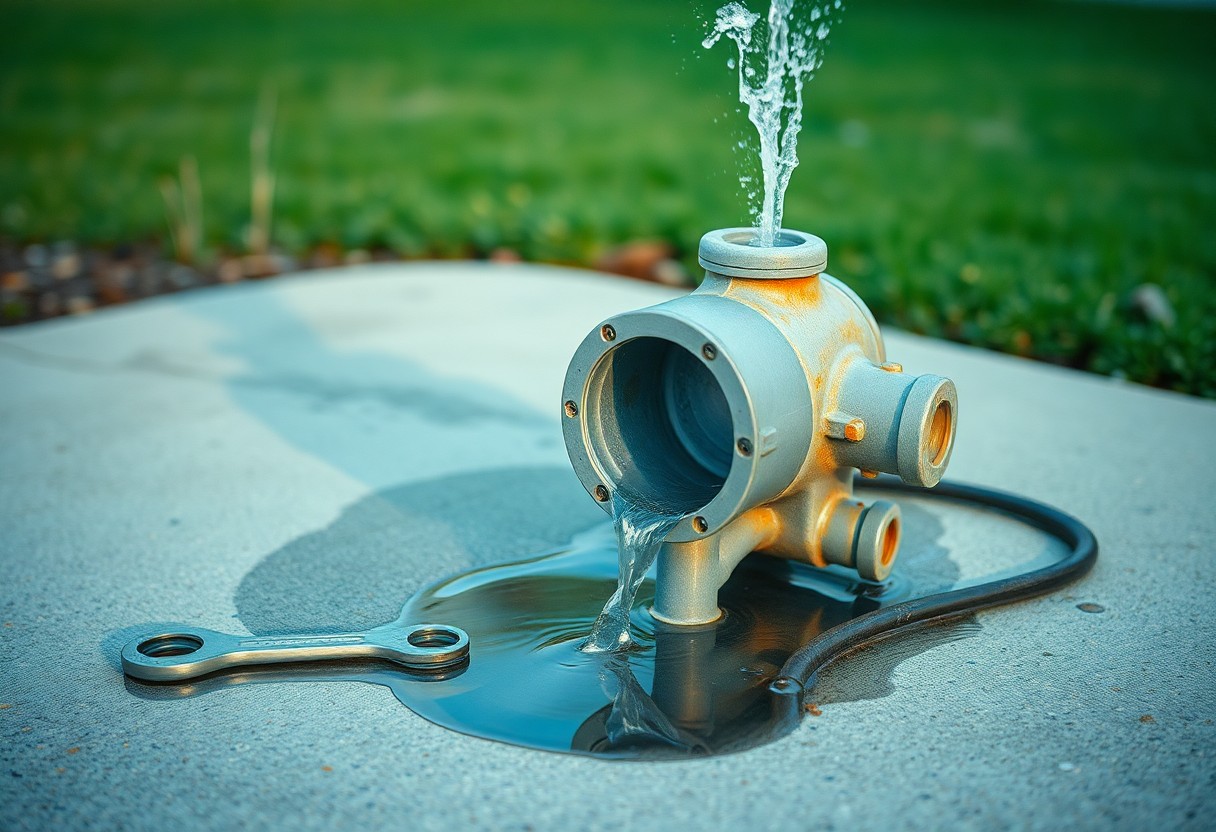
You should inspect the strainer lid, housing seam, motor shaft area and weep hole with a flashlight and paper towel; dampness, white calcium crust, or rust stains usually show where water tracks. Check the pump base for pooling and the clear strainer basket for hair or debris that can displace the lid seal. Run the pump briefly while watching the wet spots-steady drips at the same location point to a specific component rather than general seepage.
Checking for Cracked Seals and O-Rings
Examine the lid O-ring, union O-rings and the pump shaft seal for brittleness, flat spots or visible cracks; O-rings often last 3-7 years depending on chemicals and sun exposure. You’ll see dried, white material or a flattened cross-section when they fail. If water appears between the wet end and motor after the pump runs, the mechanical shaft seal is likely leaking and typically needs replacement rather than a simple tightening.
To check further, shut power, relieve pressure, then remove the strainer lid-if the O-ring is dry or torn, replace and lubricate with silicone grease; a leaking shaft seal will show weep-hole discharge at the motor face. Seal kits run $15-$80 depending on model; replacing a shaft seal often requires removing the wet end, so note your pump model number or hire a tech if you’re not comfortable disassembling the housing.
Assessing the Pipe Connections and Fittings
Inspect unions, threaded fittings and glued PVC joints for hairline cracks, wet spots or weeping under pressure; hand-tighten unions and then give an extra 1/4 turn with a wrench to seat them, but don’t over-tighten. Look for spray from cracked elbows or solvent-weld joints near the pump where stress and vibration concentrate, and feel along the pipe run while the pump is operating to locate the active leak.
For a systematic check, close valves to isolate the pump, run the pump briefly, and apply food coloring near suspect joints to see where flow appears. Union O-rings cost $5-$15; a cracked glued joint often requires cutting out a 4-8 inch section and replacing it with a slip coupling or new glued piece, which is a quick DIY if you have PVC primer and cement.
Monitoring Water Levels for Consistency
Track daily water loss to gauge leak severity: natural evaporation is often under 1/8-1/4 inch per day, so loss exceeding 1/4 inch daily suggests a plumbing or pump leak. Measure at the skimmer or with a marked stick, note whether loss accelerates while the pump runs, and check if the auto-fill is masking drops-consistent, faster loss tied to pump runtime points to the circulation system.
Use the bucket test for confirmation: place a 5-gallon bucket filled with pool water on a step, mark both bucket and pool levels, run the pump 24 hours and compare drops; a difference greater than about 1/8 inch (pool drop larger than bucket) indicates a leak in the circulation system, while equal drops suggest evaporation. If the pool loses significantly more when the pump is on, focus on the pump and suction-side plumbing first.
Tools and Materials Needed for Repairs
Essential Tools for Pool Pump Maintenance
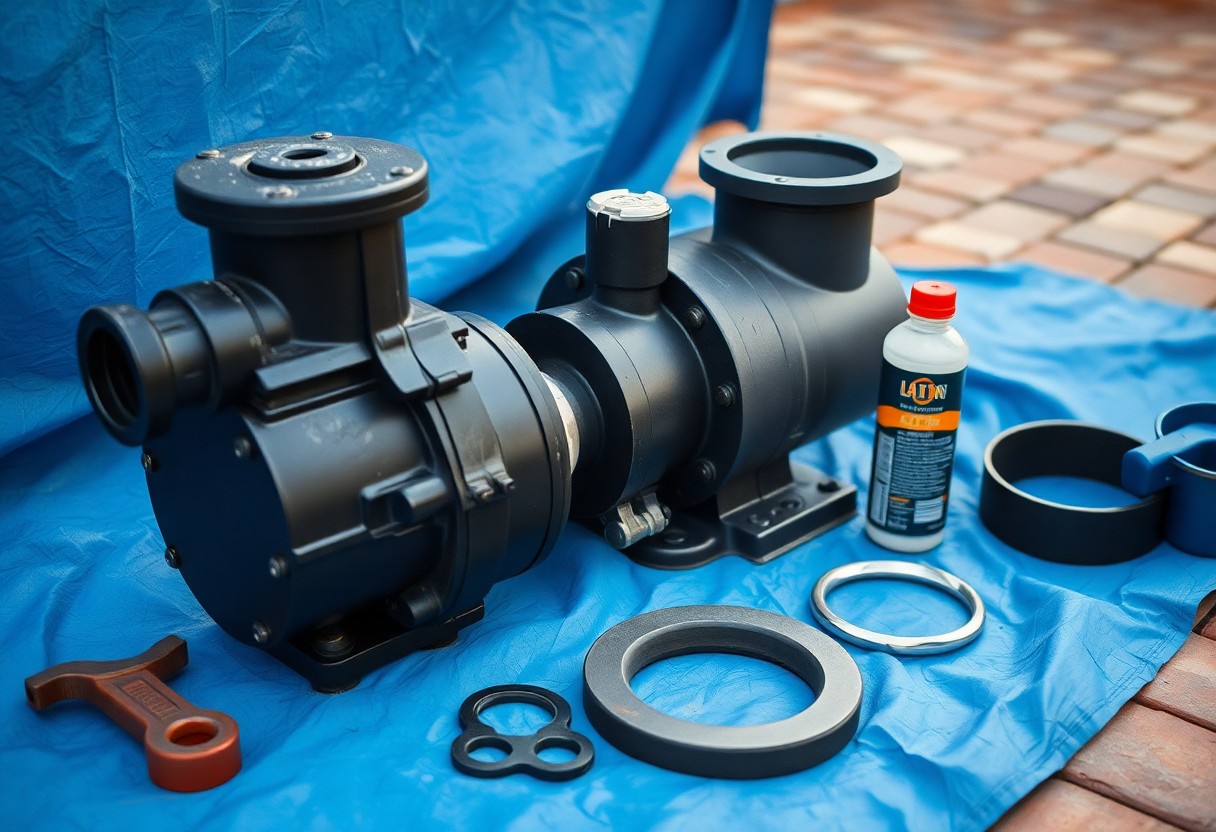
You should have an adjustable wrench, 10-19 mm socket set, flat and Phillips screwdrivers, tongue-and-groove pliers, 2.5-6 mm Allen keys, PVC cutter, pipe wrench, gasket scraper, torque wrench (up to ~50 ft·lb), Teflon tape, silicone grease, and a wet/dry vacuum for draining and priming; a multimeter and non-contact voltage tester let you verify power is off before touching wiring.
Recommended Replacement Parts
You’ll want a pump-specific mechanical shaft seal, lid O-ring, complete seal kit, union gaskets (commonly 1½” or 2″), replacement impeller or diffuser if worn, and an OEM motor-to-pump spacer or mounting bolts; brands like Hayward, Pentair, and Sta‑Rite publish model-specific kits to match your pump housing and shaft size.
Most visible leaks stem from failed mechanical seals and lid O-rings, so match parts to your pump model number or bring the old seal to the supplier; choose seal faces (ceramic/carbon) and elastomers rated for chlorine or saltwater (EPDM vs. Viton) and confirm shaft diameter (often 1″-1¼”) before ordering to avoid returns.
Safety Gear and Precautions
You’ll need safety glasses, chemical-resistant (nitrile or neoprene) gloves, a NIOSH-approved respirator for solvent vapors, hearing protection for prolonged motor testing, rubber-soled shoes, and insulated tools; always switch off the circuit breaker and use a lockout/tagout before disassembling the pump.
After cutting power, verify zero voltage with a meter and relieve system pressure by opening the filter air relief or pump lid slowly; keep solvents and adhesives away from open flames, ventilate when using primer/solvent, and never place your hand near the impeller without first draining and isolating the unit.
Step-by-Step Guide to Fixing Pool Pump Leaks
| Shutting Down the Pump | Shut power at the circuit breaker, then switch the pump off at the control. Open the filter air-relief or relieve system pressure by slowly loosening a union to avoid a spray of water. Wear gloves and eye protection and wait 5-10 minutes for residual pressure to drop before opening the pump lid. |
| Removing and Inspecting Components | Remove the strainer lid and basket, then unthread the pump housing or union to access the volute, impeller, and seal plate. Inspect for cracked plastic, scored metal, worn shaft sleeves, or eroded seal faces using a flashlight; take photos and note part numbers for replacements. |
| Replacing Seals and O-Rings | Order the correct mechanical seal and O-ring kit for your pump model. Remove the impeller to extract the old seal, clean mating surfaces with a lint-free cloth, install the new stationary seat dry and the rotating seal on the shaft, then lubricate O-rings lightly with silicone grease before reassembly. |
| Tightening Loose Connections | Hand-tighten union nuts and clamp screws, then finish with a strap wrench or pliers-avoid over-torquing plastic. Re-seal threaded PVC with 3-4 wraps of Teflon tape if needed, and reseat or replace crushed O-rings in unions to stop seepage at fittings. |
| Testing the Repair | Restore power and run the pump for 10-15 minutes while checking all joints, seals, and the motor shaft area. Use a bit of food dye near suspected leak points to reveal slow leaks, monitor filter pressure and flow, and re-tighten fittings if you see any drip. |
Shutting Down the Pump
You must cut electrical power at the breaker and switch the pump off at the control panel before touching plumbing or the motor. After power is off, open the filter air-relief valve or slowly loosen a union to bleed pressure-this prevents a sudden spray when you remove the lid. Wait 5-10 minutes for any trapped pressure and hot water to settle before proceeding.
Removing and Inspecting Components
Start by removing the strainer lid and basket, then unbolt or unthread the union to separate the pump volute from the motor/ seal plate. Use a flashlight to examine the impeller, volute, and motor shaft sleeve for cracks, scoring, or corrosion; note any part numbers stamped on the housing to order exact replacements.
When you disassemble further, take photos at each step to preserve orientation and count bolts so reassembly is exact. If the impeller is stuck, secure the motor shaft with an Allen wrench in the shaft slot or use penetrating oil on metal shafts; avoid prying on plastic parts. Check the mechanical-seal faces for chips, glazing, or discoloration-ceramic seats with even concentric rings seal well, while pitted or scored faces leak and must be replaced. Also inspect the keyway and shaft for wobble; a bent shaft often shows as uneven wear on the seal plate.
Replacing Seals and O-Rings
Purchase a seal kit that matches your pump make and model-kits typically cost $15-$50. Remove the impeller to access the mechanical seal; slide out the old rotating piece from the shaft and the stationary ceramic seat from the seal plate. Clean both mating surfaces thoroughly and install the new parts dry, then fit fresh O-rings with a thin coat of silicone-safe lubricant to ensure a tight, leak-free fit.
When installing the mechanical seal, handle the ceramic seat and carbon face with clean, dry hands or latex gloves; oils from skin can cause leaks. Press the stationary seat squarely into the seal plate without tilting, and slide the rotating seal onto the shaft until it seats against the stationary face. Reinstall the impeller using the correct thread direction-some are left-hand-and torque to manufacturer guidance or snug plus a small additional turn. Verify the new O-rings sit in their grooves without twists; improper seating is a common source of post-repair leaks.
Tightening Loose Connections
Hand-tighten unions, clamps, and threaded fittings first to align parts, then use a strap wrench or channel locks to finish-avoid over-tightening plastic components. For threaded PVC joints, clean threads and apply 3-4 wraps of Teflon tape before assembly; for unions, replace any compressed or flattened O-rings to restore a proper seal.
To get a uniform seal on multi-bolt housings, tighten bolts in a crisscross pattern and alternate increments to draw the face evenly-this prevents warping and uneven pressure on the seal. If a union nut keeps loosening, inspect the mating surfaces for nicks and replace the union or its O-ring. For stubborn plastic nuts, a strap wrench reduces the risk of cracking compared with metal pliers.
Testing the Repair
Turn the system back on and run the pump at normal operating conditions for 10-15 minutes, watching all joints, the motor shaft seal area, and the strainer lid. Use a drop of food dye next to suspicious points to reveal hairline leaks, monitor filter pressure for expected ranges, and check that flow (gallons per minute) approximates the pump’s rating-significant deviation indicates internal issues.
During the test run, listen for unusual noises and feel for vibration; persistent vibration or reduced flow after a seal change can indicate a misaligned impeller or a failing bearing. If you find a slow drip, stop the pump, re-torque fittings, and re-inspect O-rings and seal seating-most post-repair leaks result from improperly seated seals or a single overlooked crushed O-ring. If leaks persist despite correct parts and assembly, document symptoms and part numbers to show a technician or supplier for faster diagnostics.
Preventive Measures to Avoid Future Leaks
Regular Maintenance Checklist
You should follow a monthly checklist: empty the strainer basket weekly, inspect and lubricate pump lid and union O-rings monthly with silicone grease, check for drips at the shaft seal and around unions, listen for grinding or cavitation, and verify flow and pressure after 24 hours of operation; plan to replace the shaft seal every 2-4 years or sooner if you see seepage.
Importance of Seasonal Inspections
Schedule at least two full inspections a year-spring (March) and fall (October) in Plano-to catch UV-, heat- or freeze-related wear, tighten unions, confirm proper priming, and inspect electrical connections and motor bearings before heavy-use or cold months.
In spring, run a 24-hour leak and priming test after startup, remove and clean the impeller if debris is reducing flow, and swap any O-rings that appear flattened; in fall, lower water where required, drain or protect pumps if freezing is forecast, and document pump model and part numbers so you can replace components quickly-local Plano techs often find worn O-rings and loose unions as the top causes of seasonal leaks.
Using High-Quality Replacement Parts
Choose OEM or reputable-brand parts (Pentair, Hayward, Jandy) and select seal materials matched to your system-EPDM for chlorinated freshwater, Viton for salt or high-heat systems-and prefer 316 stainless fasteners to avoid corrosion-related leaks.
Buy parts using your pump model and serial to ensure correct tolerances; OEM seals and gaskets usually fit precisely and include short-term warranties, reducing repeat leaks compared with generic knockoffs. Keep a small stock of pump lid O-rings, union gaskets and a shaft seal on hand so you can perform same-day repairs and avoid extended downtime during peak season.
When to Call a Professional
Signs that Indicate Professional Help is Needed
If your pump leaks persist after replacing seals or you lose more than about 0.5 inch of water per day, you should call a pro; other red flags include loud grinding or vibration, frequent tripped breakers, motor overheating, visible cracks in the housing, or oil and cloudy water that suggest internal damage or shaft failure.
Finding Qualified Pool Repair Services in Plano
Get at least three written estimates, verify technicians hold CPO or PHTA credentials, confirm liability insurance and bonding, check BBB and Yelp reviews, and request a 6-12 month workmanship warranty; aim for companies that respond within 24-48 hours for diagnostics and provide a clear itemized quote.
Ask each candidate to show proof of insurance, list past Plano-area references, and provide photos of similar repairs; expect a seal replacement to run $150-$400 and full pump replacements typically $400-$1,200, which helps you compare scope, parts quality, and labor assumptions across bids.
Considering Cost vs. DIY Approach
Handle simple tasks like replacing O-rings or a pump basket yourself if you have basic tools; parts cost $10-$80, while professional labor in Plano usually runs $75-$125 per hour, so weigh savings against risks like electrical hazards or voiding warranties.
Do a quick ROI: if a part is $40 and a pro charges two hours at $100/hr, professional cost is about $240 so DIY saves ~$200-but complex jobs (shaft seal replacement, motor work, plumbing/electrical) often require licensed techs and can cost $400-$1,200 if mishandled, making professional service the safer economic choice.
Summing up
The fastest way to stop your pool pump leaking in Plano is to shut power, inspect and tighten unions and fittings, replace worn O-rings, lid gasket, or shaft seal, and ensure the pump is mounted level and the motor housing isn’t cracked; also clear debris from the pump basket and check suction lines for hairline cracks. If leaks persist, consult a licensed local pool technician for seal replacement or motor service.
FAQ
Q: What are the most common causes of a pool pump leaking in Plano?
A: The most common causes are worn pump lid O-ring, deteriorated shaft/mechanical seal, loose or damaged unions and threaded fittings, cracked pump housing, damaged drain plug or gaskets, and corroded or split plumbing lines. Plano’s hot summers can accelerate O-ring and seal failure; occasional freezes can stress PVC joints. Identifying whether the leak is at the suction side (before the pump) or discharge side (after the pump) helps narrow the cause.
Q: How can I diagnose where the leak is coming from?
A: Turn power off at the breaker and visually inspect the pump while dry. Wipe surfaces and run the pump briefly to locate the drip-note whether water is coming from the lid, the shaft area between motor and wet end, unions, fittings, or the housing. Use a dry paper towel to trace slow leaks and a leak-detection dye to find suction-side issues. If the leak appears when the pump is running but not when off, check seals and housing cracks; if it leaks even when off, check unions, lids, drain plugs and cracked fittings.
Q: What DIY fixes can stop a leaking pool pump?
A: Basic DIY fixes: 1) Turn off power at the breaker. 2) Replace the pump lid O-ring (clean and lubricate with silicone grease). 3) Tighten unions and threaded fittings; wrap PTFE thread tape on threaded joints when reassembling. 4) Replace a worn mechanical/shaft seal (requires draining pump, removing the wet end, and installing a new seal). 5) Replace damaged drain plug O-ring or screws. For small housing hairline cracks, use a high-quality epoxy as a temporary repair, but plan on replacing the housing or pump. Always test after repairs and ensure proper reassembly and torque; if unsure about seals or motor disassembly, hire a technician.
Q: When should I replace the pump instead of repairing it, and what are typical costs in Plano?
A: Replace the pump if it’s older than 10-15 years, the motor shows electrical or bearing problems, the wet end or housing is badly corroded or cracked, or repeated seal leaks persist after repairs. Single major repairs for seals and O-rings often cost $50-$250 in parts; professional labor for seal replacement runs $150-$350. Full pump replacement typically ranges $400-$1,200+ depending on brand, horsepower, and whether you upgrade to an energy-efficient or variable-speed model. Compare repair cost versus replacement and factor in energy savings and local Plano utility rebates for efficient pumps.
Q: What should I look for when hiring a pool pump repair service in Plano and any local maintenance tips?
A: Hire a service with positive local reviews, general liability insurance, and specific pool pump experience. Ask for a written estimate, parts warranty, and whether they are familiar with variable-speed systems and Texas electrical codes. Local maintenance tips: keep the pump pad level, clear debris from the strainer basket, cycle the pump less frequently during peak heat only as recommended, winterize lines if temperatures drop near freezing, and regularly inspect O-rings and unions for sun/UV damage. For property-specific questions or complex electrical/motor issues, choose a licensed technician rather than attempting advanced motor repairs yourself.