Just understanding what causes algae growth in your pool can help you maintain a clean and safe swimming environment. Algae thrive in warm, stagnant water, especially when there are imbalances in your pool’s chemical levels, such as chlorine. Insufficient circulation and filtration also contribute to their spread. By addressing these factors, you can significantly reduce the likelihood of an algae bloom, ensuring your pool remains inviting throughout the swimming season.
Key Takeaways:
- High temperatures and sunlight can accelerate algae growth in pools.
- Imbalanced water chemistry, particularly low chlorine levels, promotes algae proliferation.
- Poor circulation and filtration allow stagnant water where algae can thrive.
- Organic debris, such as leaves and dirt, can serve as nutrients for algae.
- Inadequate cleaning and maintenance contribute to an ideal environment for algae growth.
Understanding Algae
Algae are simple, non-flowering plants that can thrive in your pool if conditions are favorable. These microorganisms reproduce quickly, leading to unsightly green, yellow, or black hues and can create slippery surfaces, posing safety hazards. Factors such as stagnant water, sunlight, and nutrient-rich environments promote their growth, making understanding their behavior vital for effective pool maintenance.
Types of Algae Commonly Found in Pools
In pools, you may encounter several types of algae, each with distinct characteristics and challenges for pool owners.
- Green Algae: Common and quick to grow.
- Black Algae: Tougher, resistant to treatment.
- Yellow Algae: Often found in warm environments.
- Mustard Algae: A variant of yellow algae, clinging to surfaces.
- Blue-Green Algae: A cyanobacterium that can be toxic.
Any type of algae can complicate your pool maintenance if not addressed promptly.
| Type | Description |
| Green Algae | Fluffy appearance, easy to treat. |
| Black Algae | Dark, stubborn, requires scrubbing. |
| Yellow Algae | Can resemble sand, prefers warmer water. |
| Mustard Algae | Grows in patches, tricky to eliminate. |
| Blue-Green Algae | Can produce toxins, requires careful handling. |
Life Cycle of Algae
The life cycle of algae consists of several stages: germination, growth, reproduction, and dormancy. Algae spores can lie dormant until conditions are right, such as high temperatures and excess nutrients, triggering their rapid growth in your pool.
This life cycle typically begins with the germination of spores in warm, nutrient-rich environments. Under ideal circumstances-such as inadequate sanitization or stagnant water-algae swiftly grow and reproduce, forming colonies. These colonies can double in size within days, creating significant visibility issues and health concerns. Once conditions worsen, some algae may enter a dormant state, awaiting a return to favorable conditions, which is why ongoing pool maintenance is vital to prevent resurgence.
Factors Contributing to Algae Growth
Several factors can encourage algae growth in your pool. Proper maintenance and awareness of specific conditions can help you keep algae at bay. Consider the following contributors:
- Imbalanced water chemistry
- Insufficient sanitization
- Poor circulation
- Warm temperatures
- Debris and organic matter
Knowing how these factors interact can greatly aid in managing and preventing algae bloom. For more details on what is causing the green buildup and algae growth in your pool, consult local resources.
Water Chemistry Imbalances
Water chemistry is vital for preventing algae; low chlorine levels or improper pH can lead to excessive growth. You should regularly test and adjust the chemical balance in your pool to maintain a healthy environment. Aim for a pH level between 7.2 and 7.8 and maintain free chlorine levels above 3 ppm to ward off algae.
Environmental Conditions
Your pool’s environment plays a significant role in algae growth. Factors such as sunlight exposure, heat, and nutrient availability can create an ideal breeding ground for algae. Pools in shaded areas may experience less growth, while those exposed to direct sun will need diligent attention to water quality.
Additionally, surrounding vegetation can contribute to algae proliferation by introducing organic matter and nutrients into the water. Leaves, twigs, and even pollen can provide food for algae. Regular skimming and cleaning of your pool, along with managing landscaping around the pool area, ensures that your pool remains less inviting to these unwanted organisms. You should be proactive in monitoring and addressing these environmental aspects to maintain a clean swimming environment.
Preventive Measures
You can effectively combat algae growth by implementing proactive measures that maintain a clean pool environment. Regularly testing and balancing your pool chemistry, ensuring appropriate chlorine levels, and maintaining proper circulation are important strategies. By doing so, you can dramatically reduce the chances of algae taking hold, keeping your pool inviting and safe for swimming.
Regular Pool Maintenance
Proper Filtration and Circulation
Effective filtration and circulation systems play a key role in preventing algae proliferation. Your pool’s filtration system should run for at least 8 hours daily to ensure thorough water treatment. This consistent circulation not only removes debris but also distributes chemicals evenly, preventing stagnation where algae can thrive. Properly sized pumps and filters tailored to your pool’s dimensions will enhance this process.
In addition, ensuring that your pool’s return jets are strategically positioned can maximize water flow throughout the entire pool. Aim to adjust jets to create a strong flow around corners and under returns, minimizing areas of stagnation. If your pool is subject to heavy use or environmental factors that introduce more debris, you may need to increase filtration time or enhance your pool’s cleaning schedule, helping to keep water clear and algae-free.
Algae Treatment Strategies
Effective algae treatment strategies are crucial for maintaining pool clarity and safety. First, thorough testing of water chemistry will guide your approach, ensuring that sanitizer levels and pH are optimized. Regular maintenance routines should incorporate both chemical and natural methods to keep algae at bay and prevent its recurrence.
Chemical Treatments
Chemical treatments involve using algaecides and chlorine-based products to eliminate and prevent algae growth. Ensure you choose an appropriate algaecide for your pool type, applying it as directed, and monitor chlorine levels closely to keep them within the recommended range. Regular shocking of the pool can also help eradicate established algae colonies.
Natural Remedies
Natural remedies offer a more environmentally friendly approach to managing algae. You can introduce beneficial bacteria products, which outcompete algae for nutrients, or use ingredients like vinegar and baking soda, which can help in maintaining water balance and cleanliness.
Utilizing natural remedies can also benefit your pool’s overall health. For example, adding a cup of baking soda weekly helps stabilize pH and alkalinity, making it difficult for algae to thrive. Vinegar can be diluted and sprayed on affected areas or added to the skimmer to help clean the filters and maintain water quality. While these methods may take longer than chemical treatments, they are less harsh on the environment and can contribute to a more sustainable pool care routine.
The Role of Sunlight and Temperature
| Sunlight | Encourages photosynthesis, promoting algae growth. |
| Temperature | Warmer water accelerates reproduction rates of algae. |
Impact of Sunlight on Algae Growth
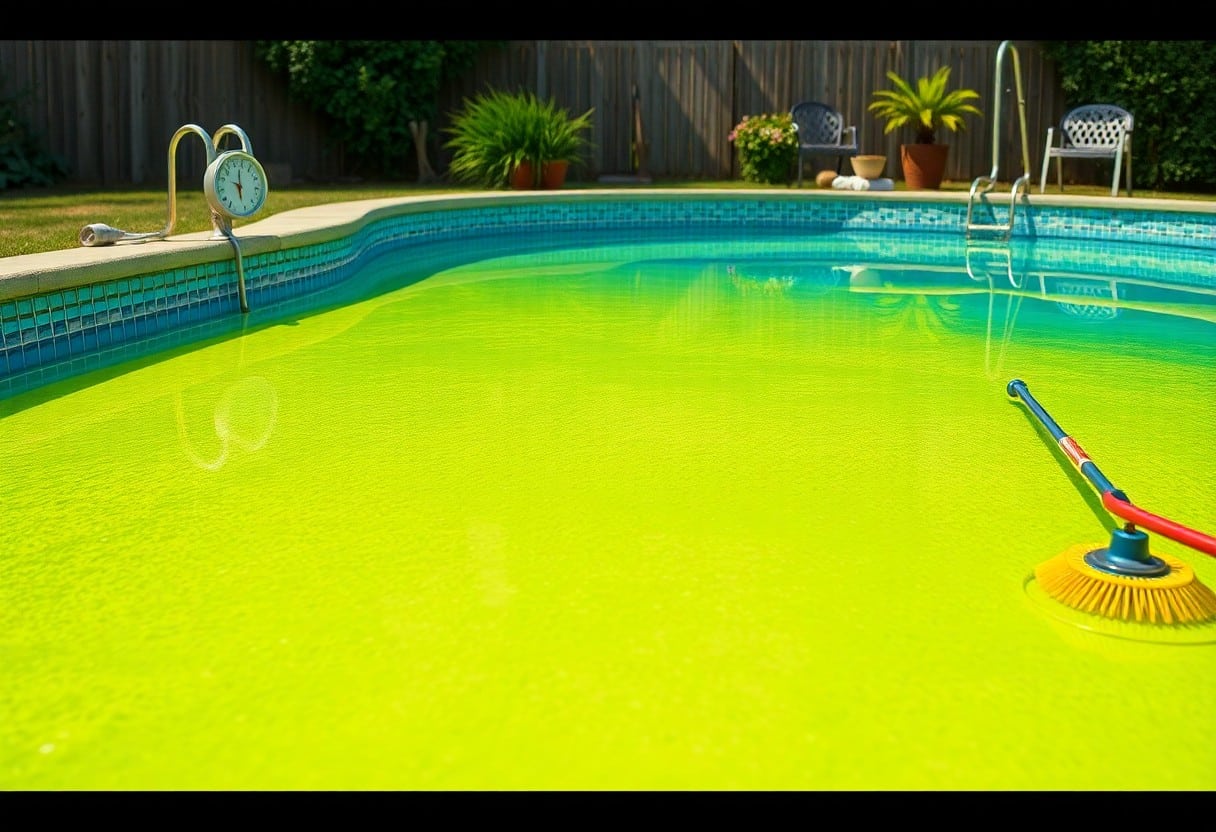
Sunlight is a significant factor that fuels algae growth in your pool. During sunny days, ultraviolet rays penetrate the water, facilitating the photosynthesis process that algae require to thrive. Insufficient pool maintenance allows sunlight to warm the water, creating an ideal environment for these microorganisms to proliferate. This a common issue if your pool is not shaded adequately or if sunlight is not blocked during peak hours.
Temperature Considerations
The temperature of your pool water directly influences algae development. Generally, warmer water (above 70°F) fosters an environment where bacteria and algae flourish. As the temperature rises, algae can reproduce faster, making it imperative to monitor and stabilize your pool’s temperature to prevent blooms. Regularly checking the temperature allows you to adjust maintenance protocols as needed.
| Ideal Temperature Range | Above 70°F promotes algae blooms significantly. |
| Temperature Management | Lowering water temperature controls algae growth. |
To effectively manage the temperature of your pool and inhibit algae growth, consider using pool covers at night to retain cooler temperatures, particularly in warmer climates. Additionally, running your pool filter during the hottest parts of the day can help circulate the water, ultimately keeping temperatures in check and reducing algae proliferation. For more detailed Tips to Effectively Deal With Algae Blooms in Your Pool, maintaining optimal conditions is imperative for long-term pool health.
Common Myths About Algae Growth
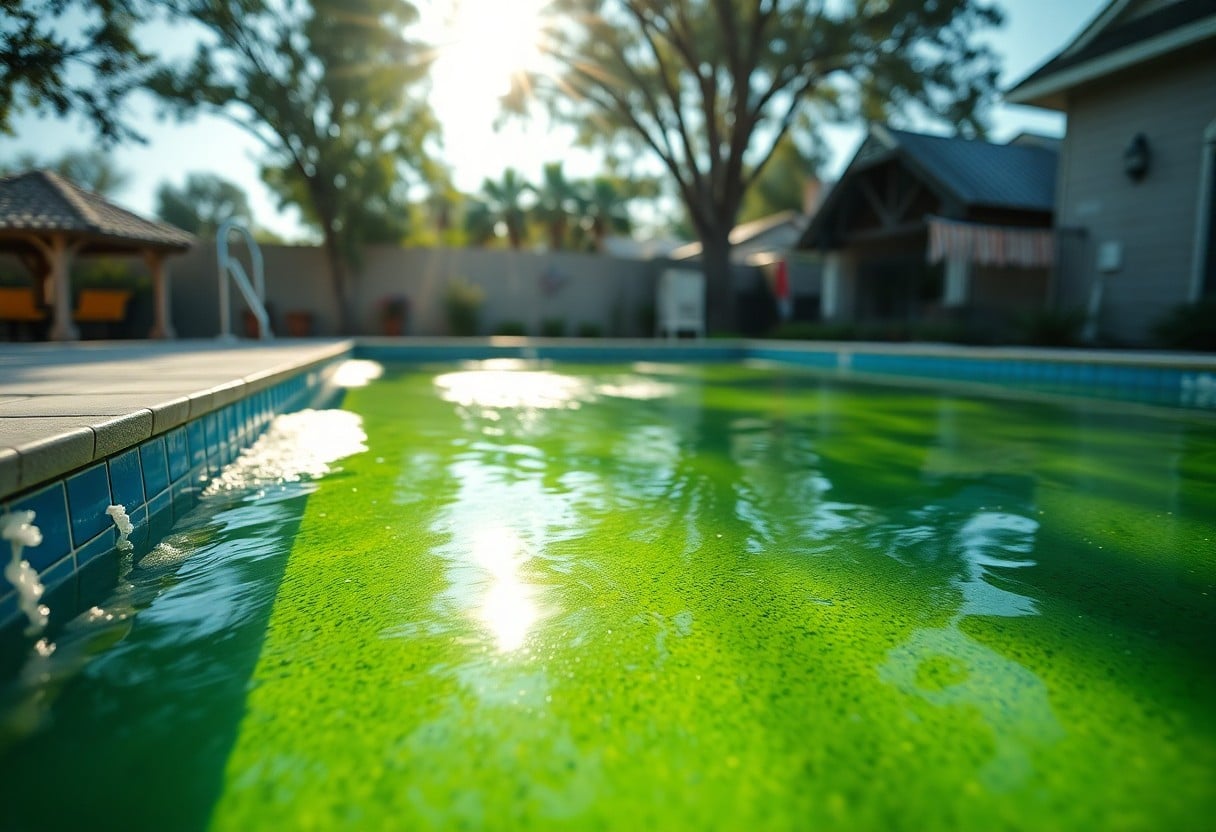
Many misconceptions surround algae growth in swimming pools that can lead you astray in your maintenance efforts. For instance, some believe that the color of the water directly correlates with cleanliness, which isn’t necessarily true, as clear water can still harbor algae. Understanding these myths is imperative for effective pool care and preventing algae outbreaks.
Misconceptions on Water Clarity
It’s a common belief that clear pool water indicates a sanitary environment. However, clarity does not guarantee the absence of bacteria or algae. Algae can thrive in clear water if the chemical balance is not maintained, emphasizing the importance of regular testing and treatment regardless of appearances.
Myths Surrounding Pool Cleaning
Many pool owners assume that frequent cleaning alone prevents algae growth. While cleaning reduces debris and improves aesthetics, it does not eliminate the need for proper chemical balance, particularly chlorine levels. Skipping routine water testing can still lead to unfavorable conditions where algae can flourish.
Additionally, some people think that simply vacuuming a pool is sufficient to keep algae at bay. In reality, without addressing the water chemistry, including pH and alkalinity, you might still encounter algae problems regardless of how clean the bottom of your pool looks. To effectively combat algae, adopt a comprehensive approach that integrates regular cleaning with chemical maintenance for lasting results.
Summing up
Drawing together the factors that contribute to algae growth in pools in Anna, you must consider the combination of warm temperatures, stagnant water, and inadequate sanitation. If your pool’s water chemistry is unbalanced or if it’s not sufficiently circulated, it creates a favorable environment for algae to flourish. Maintaining proper filtration and regular cleaning will help you minimize the risk of unwanted algae blooms, ensuring your pool remains sparkling and safe for use.
FAQ
Q: What are the primary causes of algae growth in pools in Anna?
A: Algae growth in pools is primarily caused by inadequate sanitation, poor water circulation, and warm temperatures combined with sunlight. Factors like high pH levels, lack of proper filtration, and debris accumulation also contribute significantly.
Q: How does chlorine levels impact algae development?
A: Low chlorine levels result in reduced sanitation, allowing algae to thrive. Maintaining appropriate chlorine levels is important to prevent algae from establishing in the pool.
Q: Can environmental conditions influence algae growth in pools in Anna?
A: Yes, local environmental factors such as high humidity, warm temperatures, and prolonged exposure to sunlight create an ideal habitat for algae, promoting rapid growth in poorly maintained pools.
Q: Is it possible for organic matter to contribute to algae proliferation?
A: Organic debris, such as leaves, grass, and insects, can introduce nutrients that feed algae, further encouraging its growth. Regular cleaning of the pool can help mitigate this issue.
Q: How does pool maintenance play a role in preventing algae?
A: Regular maintenance, including brushing walls, vacuuming, and monitoring chemical balances, is important. Proper maintenance practices can significantly reduce the likelihood of algae taking hold in the pool.