There’s a significant financial benefit to maintaining your pool properly, especially in McKinney’s climate. By proactively addressing issues and implementing regular maintenance routines, you can drastically reduce the risk of expensive repairs. Understanding common problems and best practices for care will empower you to keep your pool in excellent condition year-round. This guide will provide you with important tips and insights to help you avoid costly pool repairs while enjoying your backyard oasis.
Key Takeaways:
- Conduct regular maintenance checks on pool equipment and structures.
- Keep water chemistry balanced to prevent damage to surfaces and mechanics.
- Invest in a quality pool cover to protect against debris and weather conditions.
- Inspect and clean filters regularly to ensure proper water circulation.
- Address small issues promptly to avoid escalated repairs in the future.
Understanding Common Pool Issues
Familiarizing yourself with typical pool problems can save you from significant repair expenses. Many pool owners encounter issues such as structural damage, equipment failures, and water quality concerns, which can quickly escalate without proper attention. By identifying these issues early, you can implement effective solutions and maintain the longevity of your pool.
Structural Damage
Your pool’s structure is vital for its integrity and safety. Cracks, leaks, and erosion can lead to costly repairs and unsafe conditions. Addressing minor structural issues promptly can prevent them from becoming major problems, saving you substantial expenditure over time.
Equipment Failures
Pool equipment failures can disrupt your pool’s functionality, leading to expensive repairs. Regular inspections and maintenance of components like filters, pumps, and heaters are necessary to keep everything running smoothly. Neglecting equipment care often results in costly breakdowns.
For instance, a malfunctioning pool pump not only hampers circulation but can also damage your pool’s filtration system if left unchecked. It’s necessary to schedule routine maintenance, including checking for leaks, replacing worn parts, and ensuring electrical components are functioning correctly. Investing in preventive measures can significantly extend the lifespan of your equipment and significantly cut down on repair costs over time.
Regular Maintenance Practices
Establishing a routine for pool maintenance can significantly extend the lifespan of your pool. Regular tasks such as skimming, cleaning, and balancing water chemistry are vital for preventing larger, more expensive issues down the line. Consistent upkeep not only keeps your pool pristine but also ensures its operational efficiency, saving you time and money on unexpected repairs.
Skimming and Cleaning
Daily skimming of debris, leaves, and insects keeps your pool surface clean and reduces the buildup of contaminants. Weekly brushing of the walls and floor, along with vacuuming, prevents algae growth and ensures a sparkling pool. Regularly emptying skimmer and pump baskets facilitates proper water circulation, ultimately enhancing water quality.
Water Chemistry Balancing
Maintaining the right water chemistry levels is vital for your pool’s health. Regular testing of pH, alkalinity, and chlorine ensures that the water remains balanced, which prevents corrosion and scale buildup. Ideally, pH levels should stay between 7.2 and 7.8, while alkalinity should range from 80 to 120 ppm for optimal performance.
Neglecting water chemistry balancing can lead to serious consequences. For instance, low pH can corrode pool surfaces and equipment, while high pH can cause cloudiness and scaling. Weekly tests with a reliable testing kit help you quick-adjust chemical levels as needed. If your chlorine levels drop too low, harmful bacteria can thrive, leading to health risks and potential costly repairs. Regular attention to these aspects minimizes the risk of damage and ensures your pool remains a safe, enjoyable environment.
Seasonal Preparations
Preparing your pool for the changing seasons is vital for long-term efficiency and avoiding expensive repairs. Proper seasonal maintenance ensures your pool remains in excellent condition throughout the year. For an in-depth look at maintenance expenses, check out The Complete Guide to Pool Maintenance Costs in DFW.
Winterization Tips
Proper winterization can prevent freezing and damage to your pool. Start by balancing the water chemistry, lowering the water level, and draining all plumbing lines. Use a cover designed for harsh winter conditions, and consider adding antifreeze to the equipment. Additionally, remove any debris and clean your pool surfaces:
- Shut down and winterize the pump and filter
- Store pool accessories safely
- Inspect the cover for damage
This can significantly extend the lifespan of your pool components.
Summer Readiness
As summer approaches, getting your pool ready is crucial for enjoyable and safe swimming. Start by thoroughly cleaning the pool, checking water levels, and ensuring the filtration system operates efficiently. Regularly test water chemistry to maintain balance, paying attention to chlorine and pH levels. Inspect pool equipment for any signs of wear, and ensure all accessories, such as ladders and slides, are safe and functioning. An efficient summer setup not only enhances your swimming experience but also mitigates potential repair costs throughout the season.
Choosing the Right Pool Materials
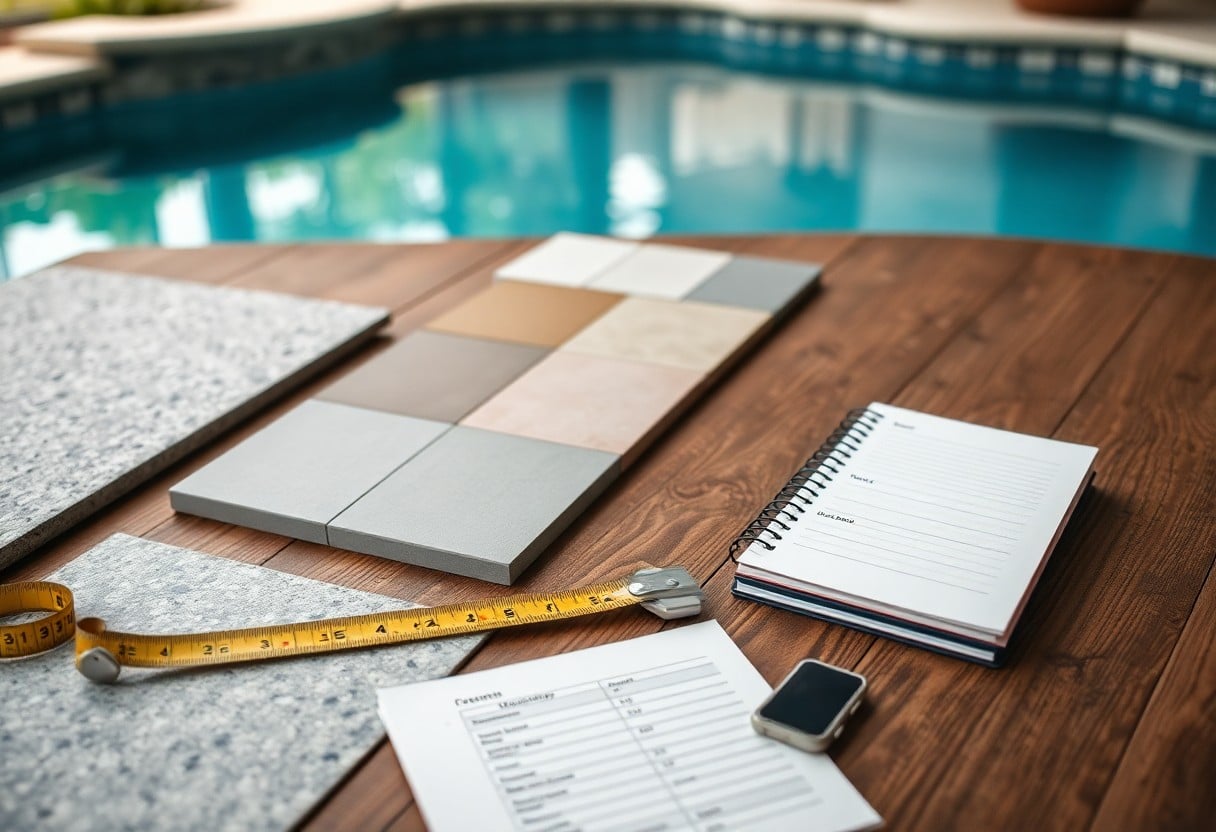
Selecting appropriate materials for your pool can significantly impact both its longevity and maintenance costs. Opting for high-quality, durable materials may require a higher initial investment but will ultimately reduce repair expenses over time. Consider factors such as climate, aesthetic preferences, and functionality to make an informed decision that aligns with your long-term goals for your pool.
Cost-effective Options
When budget is a concern, explore materials like fiberglass or vinyl, which are known for their affordability and ease of installation. These options often come with lower maintenance requirements, making them a practical choice for your pool. Additionally, they resist algae growth better than traditional concrete, reducing the need for harsh chemicals.
Long-lasting Solutions
Investing in materials such as concrete with a special sealant or high-quality tile can offer enhanced durability and resistance to wear and tear. These options can withstand the rigors of the McKinney climate, leading to fewer issues over time and saving you money on potential repairs.
Concrete, reinforced with additives, can last decades when properly maintained, while high-quality tiles can provide both style and durability. For example, epoxy coatings for concrete pools and glass tiles can prevent water damage and surface cracking. Research shows that pools built with these materials often experience a 50% reduction in repair needs, translating to long-term savings for homeowners who prioritize longevity in their pool investments.
Professional Inspections
Engaging professionals for pool inspections is a proactive step towards avoiding costly repairs. Regular inspections help identify potential issues before they escalate, ensuring your pool remains in top condition. Experienced inspectors can detect hidden problems such as plumbing leaks or wear in pool surfaces that you might overlook. Investing in their expertise means fewer unexpected repair bills and a longer lifespan for your pool system.
Benefits of Regular Check-ups
Scheduling regular check-ups provides you with peace of mind, knowing that your pool is safe and functional. These inspections often lead to early detection of problems, ultimately saving you money on extensive repairs and maintenance. Moreover, consistent check-ups ensure optimal chemical balance, promoting a healthier swimming environment for you and your family.
What to Expect from Professionals
When you hire a professional for your pool inspection, expect a thorough evaluation that includes checking pumps, filters, and water chemistry. They will assess the condition of the pool’s surfaces, including tiles and coping, and inspect the plumbing system for leaks. Additionally, they will provide recommendations for maintenance or repairs that may be needed, allowing you to make informed decisions.
The inspection typically begins with a detailed walkthrough of your pool area, where the technician checks for visible damage and assesses equipment functionality. They analyze the water quality by testing pH and chlorine levels, ensuring it meets safety standards. Furthermore, expect a comprehensive report outlining findings and suggested improvements, allowing you to prioritize repairs or upgrades that enhance efficiency and prolong the life of your pool. Consistent professional oversight transforms your pool maintenance routine into a strategic, cost-effective approach to preserving your investment.
Homeowner DIY Tips
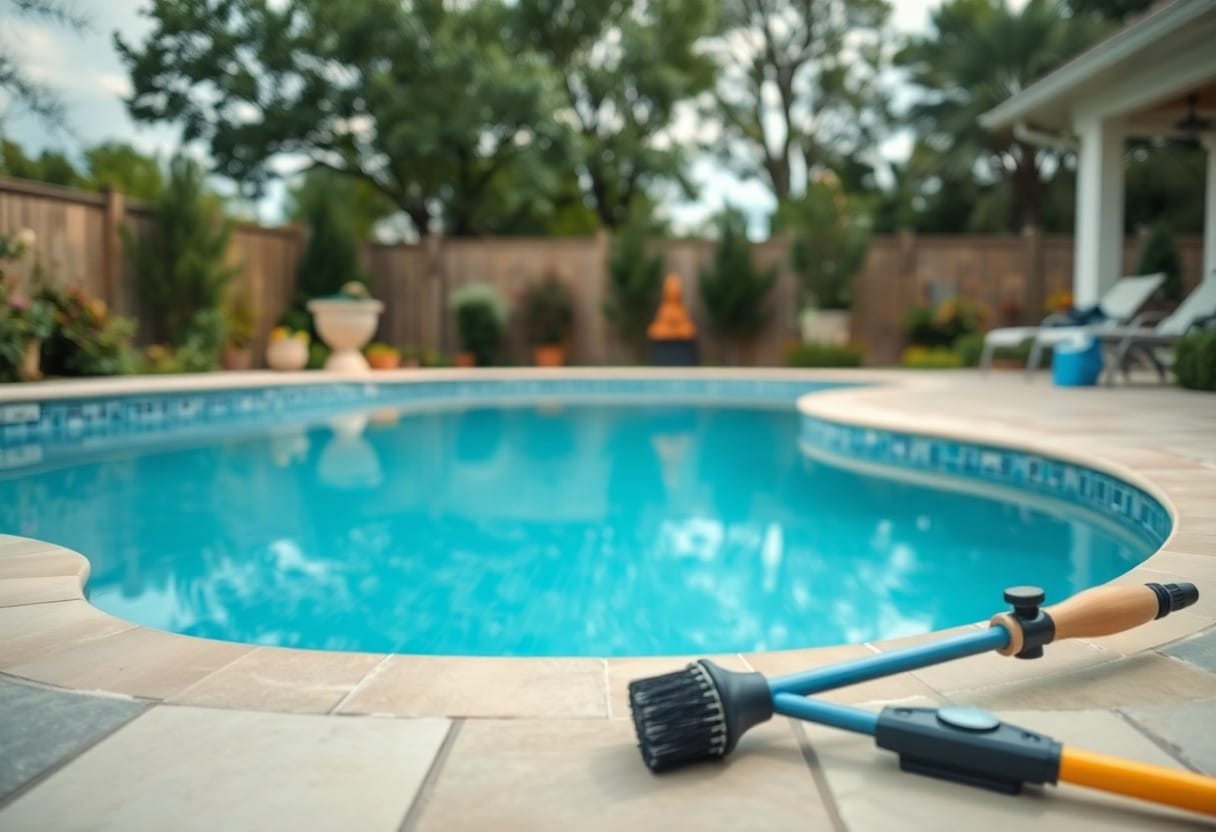
You can significantly reduce your pool repair costs by implementing some effective DIY strategies. Regular maintenance ensures early detection of small issues before they escalate into expensive repairs. Consider these imperative tips:
- Inspect and clean your pool filter regularly.
- Monitor water levels and chemical balance weekly.
- Check for leaks around fittings and hoses.
- Perform regular visual inspections for cracked tiles or plaster.
This Pool maintenance recommendations and pricing can further guide your efforts.
Simple Repairs You Can Do
You can tackle several straightforward repairs without professional help. Sealing minor leaks, replacing tiles, or adjusting the pool’s water chemistry are manageable tasks. For instance, using a simple epoxy can effectively fix small cracks, while regular skimming helps maintain clean water and prevents algae growth.
When to Call a Professional
Some issues demand expert attention. Signs that you should call a professional include significant leaks, malfunctioning pumps, or electrical problems. These situations often require specialized tools and knowledge to address correctly, preventing further damage and ensuring safety.
Assessing the severity of the issue before deciding can save you from costly mistakes. For example, if your pool water appears cloudy despite balancing the chemicals, it may indicate an underlying filtration problem that needs professional assessment. Similarly, issues with the pool liner or structural components should not be handled without expert insight to avoid more extensive damage and expense down the line.
Final Words
So, regular maintenance and prompt attention to minor issues can significantly reduce the risk of costly pool repairs in McKinney. Make it a habit to routinely inspect your pool’s equipment, ensure proper water chemistry, and address any leaks or cracks immediately. Investing time in cleaning and servicing your pool, coupled with consulting professionals when needed, can keep your pool in optimal condition and extend its lifespan. By being proactive, you can enjoy your pool without the burden of unexpected repair costs.
FAQ
Q: What regular maintenance should I perform to prevent pool repairs in McKinney?
A: Regular maintenance includes checking and adjusting chemical levels weekly, skimming debris daily, cleaning filters monthly, and inspecting the pool equipment for leaks or wear. Seasonal deep cleaning is also recommended.
Q: How can I identify early signs of pool equipment issues?
A: Look for unusual noises from the pump, inconsistent water flow, or visible leaks around the equipment. Frequent filter clogs and cloudy water can also indicate underlying issues.
Q: What preventive measures can I take during winter months to protect my pool?
A: Winterize your pool by draining water to appropriate levels, using a pool cover, and ensuring all equipment is properly maintained and stored. Consider adding antifreeze to plumbing lines to prevent freezing damage.
Q: How often should I consult a professional for pool inspection?
A: It’s advisable to schedule a professional inspection at least twice a year to assess equipment, plumbing, and overall pool condition. This can help catch potential issues before they escalate.
Q: Are there specific common problems to check for in McKinney’s climate?
A: In McKinney, watch for algae growth during warm months, cracking from freeze-thaw cycles in winter, and damage from debris during storms. Regular checks will help mitigate these risks.